Anime power systems, ranked
Ranked by how original the power system is and how consistently the world plays by its own rules. Hard, legible magic that never cheats scores high; “power of friendship” ass-pulls and rule-breaks to win a fight score low — no matter how cool the show looks doing it.
The world's rules, how consistently they're applied, and whether anything about the setting or power system is genuinely new. Shows that break their own rules to win fights take real damage here.
Top 25
Sorted by raw world score across all genres. Justifications are this criterion only — for the full six-criterion breakdown on a show, open its page.
- 1
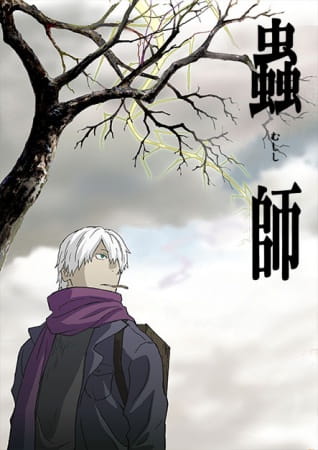 Mushishi9.5Seinen
Read as setting depth and premise originality, this is near-definitive. The mushi concept — life-forms 'closer to the source of being,' mimicking rainbows, diseases, and sounds — is internally consistent and endlessly generative, supporting 26 wholly different phenomena without repetition. The vaguely Meiji-adjacent, deliberately ahistorical rural Japan reinforces the timeless folklore tone, and the rules of mushi behavior are coherent without ever being over-explained.
- 2
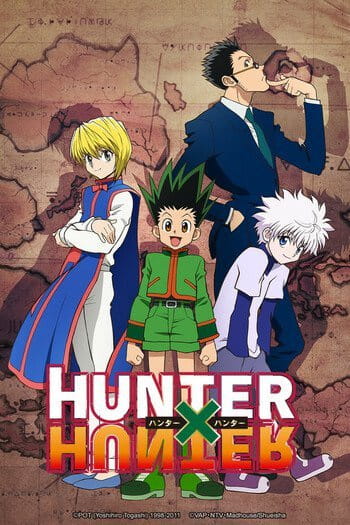 Shonen
Nen is arguably the most rigorously systematized power framework in shonen—six categories, conditional vows that trade restriction for power (Kurapika's chains, Knuckle's IRS), and a clarity that makes battles feel like puzzles rather than power-creep. The wider setting of Hunter associations, the Dark Continent, and Greed Island's game-world logic shows deep internal consistency. The system's complexity occasionally requires heavy in-fight narration, but its originality is exceptional.
- 3
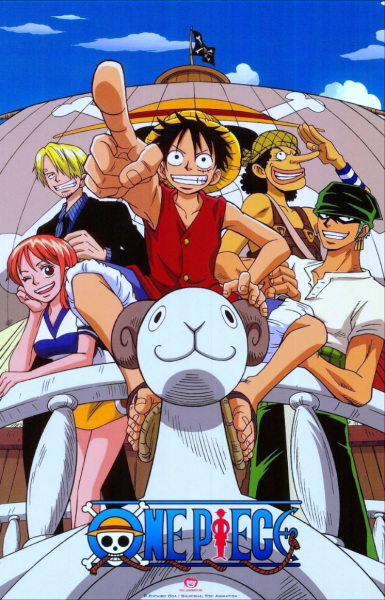 One Piece9.5Shonen
The Grand Line, Devil Fruits, Haki, and the geopolitical web of Marines, Shichibukai, Yonko, and Celestial Dragons form one of the most expansive and internally consistent settings in all of shonen. Devil Fruit logic is creatively elastic without feeling arbitrary, and islands like Skypiea, Water 7, and Wano each carry distinct cultural identity. The scale and mystery (Void Century, the Poneglyphs) reward decades of investment.
- 4
 Seinen
The Abyss is one of the most original settings in modern anime: a vertical ecosystem with internally consistent rules where the strain of ascension worsens by layer, creating a power system out of geography itself. Relics, White Whistle lore, and the ecology of each stratum are layered with restraint, rewarding attention without over-explaining. The premise's commitment to the one-directional cost of exploration is genuinely novel and structurally airtight.
- 5
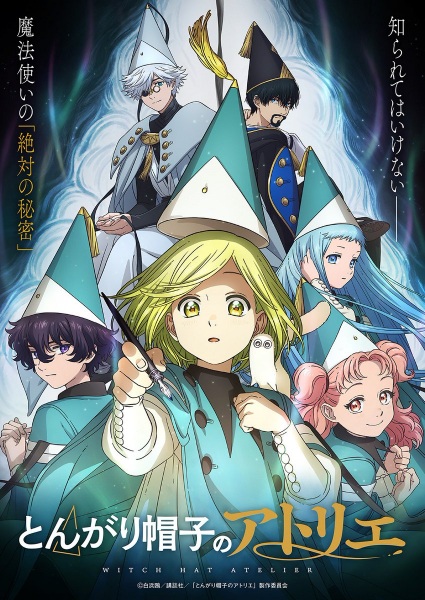 Seinen
The premise that magic is drawn rather than incanted, with spells rendered as ink sigils whose secrets are physically guarded, is one of the most internally consistent and original systems in recent fantasy — the prohibition against magic affecting the body directly drives both plot and ethics. Kamome Shirahama's design sensibility translates into a cohesive guild society, pointed-hat hierarchy, and tactile workshop culture. The setting feels lived-in and rule-bound rather than decorative.
- 6
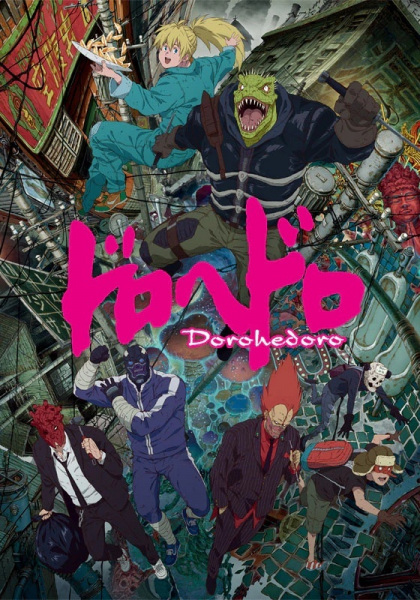 Dorohedoro9.0Seinen
This is the show's standout: a fully realized dual-world of grimy, rain-soaked Hole and the surreal Magic User dimension, with internally consistent rules—magic emitted via tail smoke, individualized abilities, the Devils and the door system. Q Hayashida's setting feels genuinely alien and original, blending body-horror, dark comedy, and lived-in squalor in a way few seinen match. Details like the Cross-Eyes cult and En's mushroom motif reward attention.
- 7
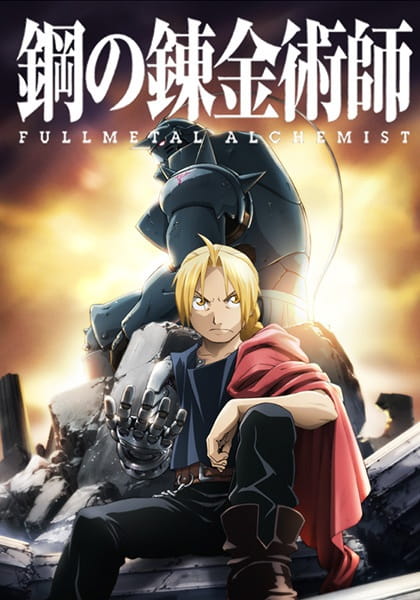 Shonen
The alchemy system is rigorously consistent, governed by equivalent exchange and the cost of human transmutation, with distinct flavors like Xingese alkahestry and flame alchemy expanding it logically. Amestris as a militarized state founded on hidden genocide gives the geopolitics real texture, and the homunculi as embodiments of Father's expelled sins integrate worldbuilding with theme. The world beyond Amestris (Xing, Drachma) is gestured at more than developed.
- 8
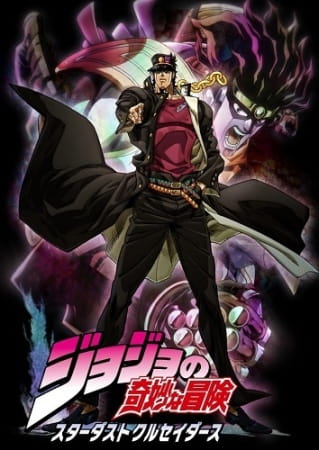 Shonen
The Stand system is one of the most influential power frameworks in shonen: each Stand is a bespoke ability with rigid internal rules, encouraging puzzle-combat over raw power escalation — Hanged Man existing only in mirrors and reflections, or Death Thirteen operating solely within dreams. This emphasis on creative, condition-based abilities over strength-scaling is genuinely original and consistently applied. The Tarot/Egyptian-god naming and the globe-trotting setting reinforce a distinctive, mythically-tinged world that few contemporaries match.
- 9
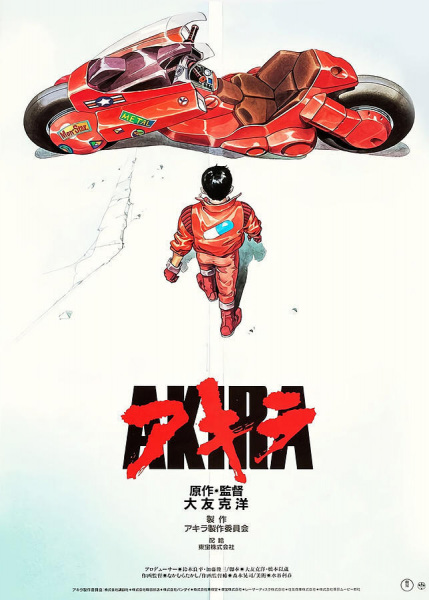 Akira9.0Seinen
Neo-Tokyo is one of anime's most fully realized settings: a neon dystopia of biker gangs, religious cults, student protests, and military coups layered into a city that feels lived-in and rotting from within. The esper premise—government weaponization of psychic children, the withered child-espers Kiyoko, Takashi and Masaru—is original and internally consistent, treating power as escalating catastrophe rather than empowerment. The detail density, from graffiti to the SOL satellite, sets a benchmark for science-fiction world-building.
- 10
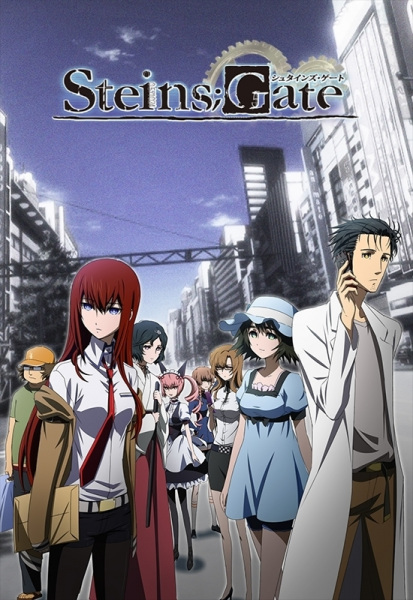 Steins;Gate9.0Seinen
Grounding the premise in real Akihabara geography, the actual John Titor internet legend, and a plausible-sounding CERN/SERN conspiracy gives the setting unusual verisimilitude for a time-travel story. The microwave-as-time-machine and the escalating D-Mail rules form a tight, original 'system' where every use has traceable consequences on the world line divergence. It occasionally leans on technobabble, but the internal consistency of its rules is exceptional and rarely cheats.
- 11
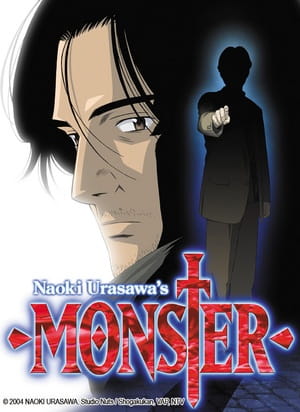 Monster8.8Seinen
The grounded depiction of reunified Germany, Czech orphanages, and the lingering shadow of authoritarian eugenics programs lends rare verisimilitude for an anime. The premise — a noir thriller with no fantasy elements, anchored in real political history — is highly original within the medium. Minor liberties with geography and the plausibility of Johan's omnipresent influence stretch believability at the margins.
- 12
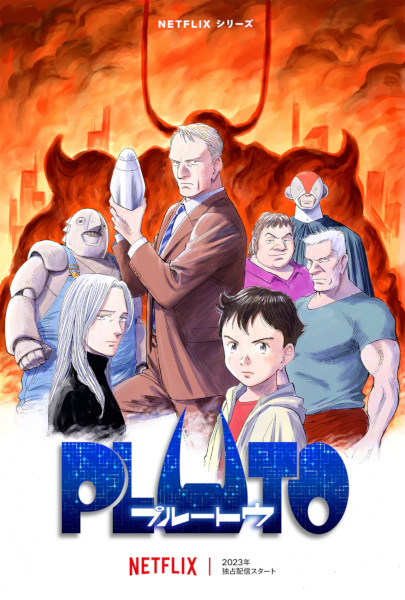 Pluto8.7Seinen
The setting is a coherent near-future where androids hold jobs, marry, and lobby for rights, built on internally consistent rules — robots cannot kill humans, and the singular exception drives the entire mystery. Details like robot families adopting children, anti-robot hate groups, and the political machinery of the Bora Inquiry give the world texture beyond its premise. It loses a fraction for leaning on Tezuka's existing Astro Boy scaffolding rather than originating wholesale.
- 13
 Seinen
The premise is strikingly original: a post-apocalyptic Japan where 'hiruko' monsters are revealed to be transformed humans, paired with a sterile nursery that gradually exposes itself as a eugenics or post-human gestation project. Internal consistency is strong — the slow drip of how the two timelines connect rewards attention, and details like the man-eaters' origins are integrated rather than hand-waved. The setting balances melancholic ruin-porn with clinical institutional dread, a distinctive visual and conceptual identity.
- 14
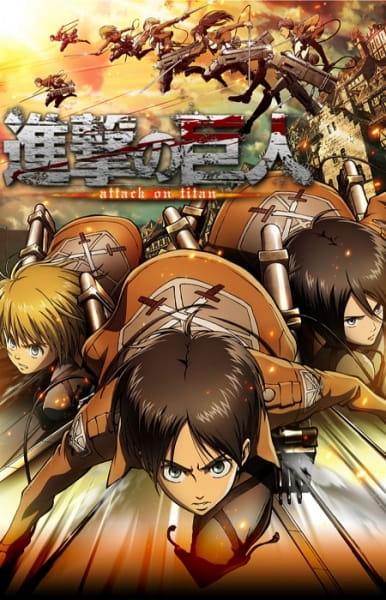 Shonen
The concentric-wall society, vertical maneuvering ODM gear, and the eerie biology of pleasure-killing Titans form a strikingly original and internally coherent premise. The first season deliberately keeps the wider world opaque, which builds intrigue but leaves much of the setting's logic unexplained, a tradeoff that pays off only in later seasons.
- 15
 Chihayafuru8.5Josei
Competitive karuta is an inspired and underexplored premise, and the show treats its mechanics with rigor—positioning, memorization, the syllable-by-syllable 'kimariji,' and the physical toll are all explained without condescension. The classical poetry framework gives the setting genuine cultural depth most sports anime lack. Internal consistency is strong: skill progression feels rule-bound rather than arbitrary, with Chihaya's speed and Arata's precision presented as distinct, plausible playstyles.
- 16
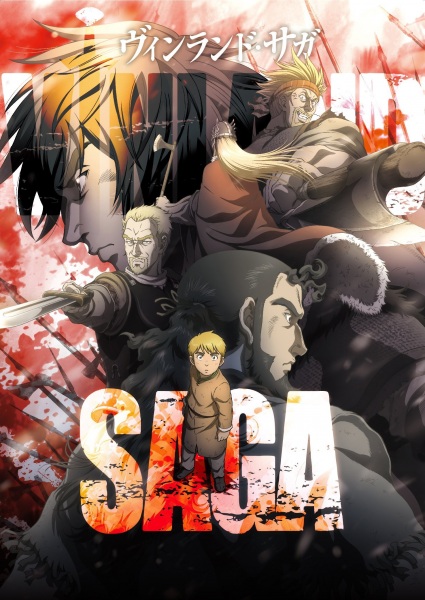 Vinland Saga8.5Seinen
The 11th-century Viking and Anglo-Danish setting is grounded in genuine historical figures—Sweyn Forkbeard, Canute, Thorkell—and treats the brutality, politics, and economics of the era with documentary seriousness. Details like slave raids, mercenary contracts, and the strategic value of Wales reflect real research from the Monthly Afternoon source. It lacks the spectacle of a fantasy world but compensates with internal consistency and a refusal to romanticize Viking life, even if some battle logistics stretch plausibility (Thorkell's superhuman feats).
- 17
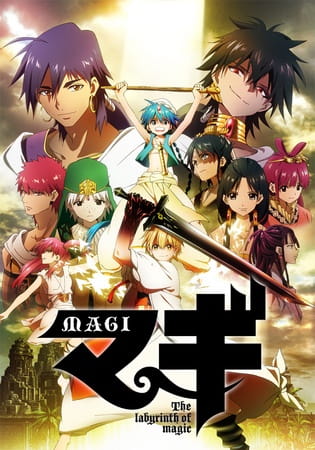 Shonen
The Magi/King-candidate/Djinn framework is genuinely distinctive: a metaphysical political ecosystem where magicians elect kings and dungeons grant power, layered over an Arabian Nights aesthetic that few shonen draw from. The Rukh, the concept of 'falling into depravity,' and household vessels create internal consistency and intriguing scope. It's one of the strongest worldbuilding premises in its demographic, even if the show only begins to exploit its full geopolitical canvas.
- 18
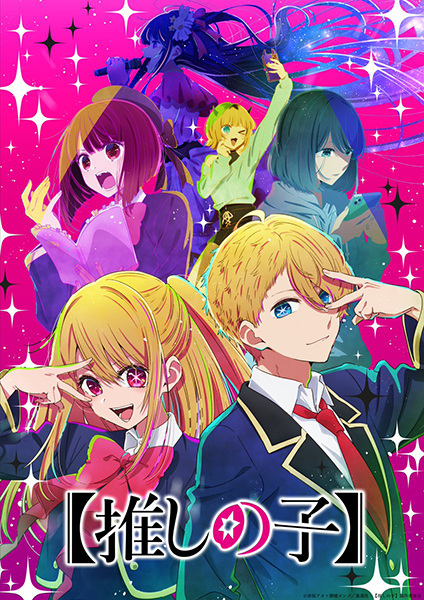 Oshi no Ko8.5Seinen
As a premise, grafting a reincarnation-revenge thriller onto an insider exposé of the Japanese entertainment industry is strikingly original within seinen. The setting depth is a real strength — the mechanics of idol production, reality TV editing manipulation, 2.5D stage adaptations, and manga-to-anime pipelines are rendered with credible, specific detail. The 'reincarnation with star-shaped eyes' conceit is more aesthetic flourish than a rigorous system, but it functions consistently enough as a narrative device.
- 19
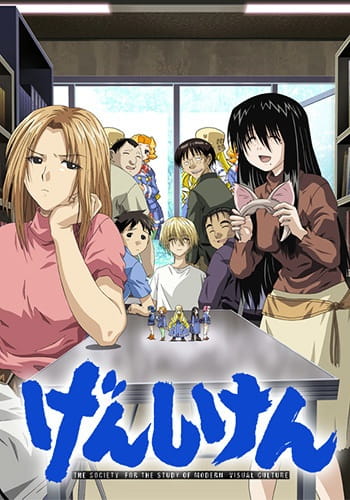 Genshiken8.5Seinen
As setting depth, this is exceptional: the clubroom, the doujinshi production pipeline, Comiket logistics, figure collecting, and the social hierarchy of fandom are depicted with documentary-grade specificity and internal consistency. The premise — an unglamorous, accurate portrait of early-2000s otaku culture from the inside — was genuinely original for its time. Few shows commit so fully to the granular texture of a subculture as both backdrop and subject.
- 20
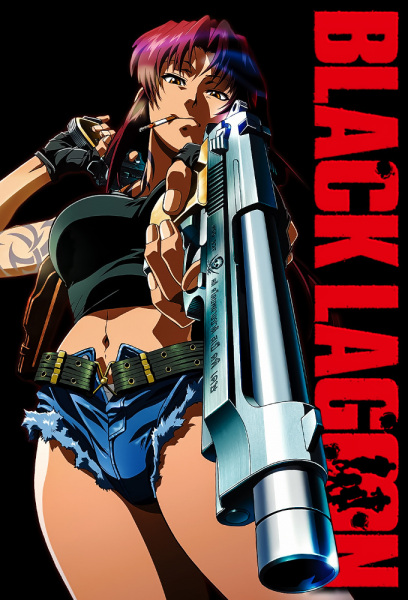 Black Lagoon8.5Seinen
Roanapur is one of the most vividly realized criminal settings in anime—a fictional Thai port city governed by an equilibrium of rival syndicates (Hotel Moscow, the Triad, the Italian mafia) whose uneasy balance feels internally consistent and lived-in. The grounded, ammunition-counting realism of its violence and the global cast of mercenaries, ex-soldiers, and crime bosses give the premise a hard-edged originality rare for the medium. It avoids fantasy crutches entirely and commits fully to its grimy geopolitical underworld.
- 21
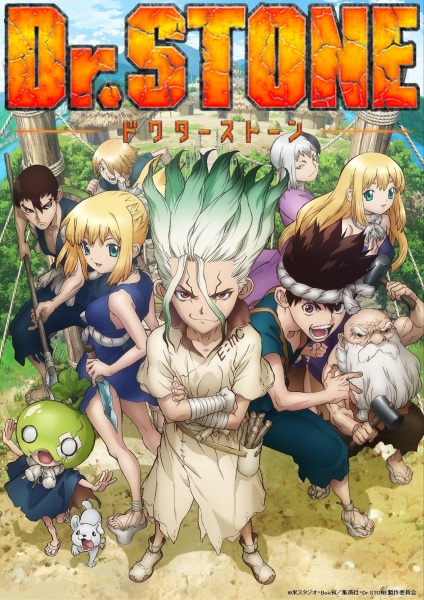 Dr. Stone8.5Shonen
Premise originality is the series' standout: a post-petrification Earth reclaimed by nature, rebuilt from literal stone age through verifiable real-world chemistry, is nearly unmatched in shonen. The internal consistency is rigorous—recipes for sulfa drugs, iron smelting, and the cell-phone endgame follow plausible technological dependency chains. It reads as a 'tech tree' made narrative, and the petrification mystery adds a sci-fi hook beneath the survival-craft layer.
- 22
 Seinen
As a grounded sports drama there is no power system, but the 'setting depth' is rich: the texture of cramped Japanese high-school clubs, run-down practice halls, the China-Japan athletic pipeline through Kong, and the regional rivalries feel lived-in and specific. The premise itself — making competitive table tennis a vehicle for existential inquiry — is highly original within seinen. It loses a fraction only because the world stays narrowly focused on the immediate ping-pong ecosystem rather than expanding its social canvas.
- 23
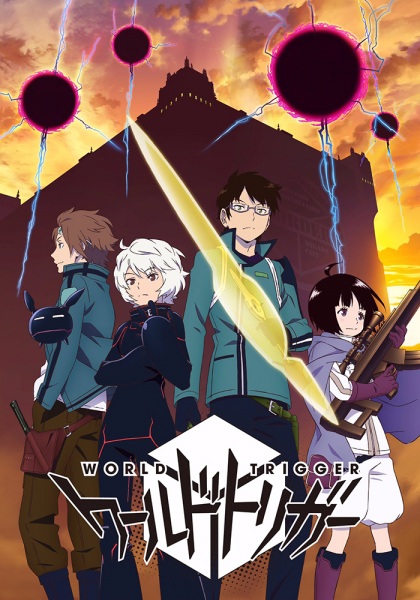 Shonen
The Trigger system is one of shonen's most internally consistent power frameworks — the Trion mechanic, bail-out system that removes lethal stakes while preserving tension, and the strict role specialization (Attacker, Gunner, Sniper, Operator) create a battle logic closer to a sport or wargame than a brawl. Border's organizational structure, ranking system, and the geopolitical layering of multiple Neighbor nations give the setting genuine depth. The bail-out conceit cleverly lets Ashihara stage high-stakes combat without cheap deaths, making strategy paramount.
- 24
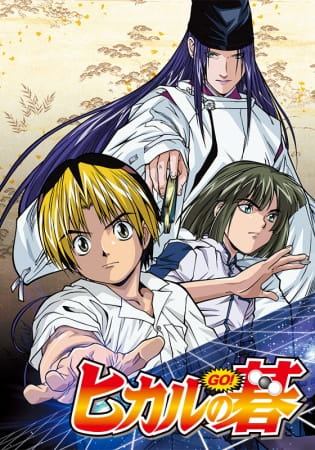 Hikaru no Go8.5Shonen
As a show with no power system, it builds an internally consistent and authentic depiction of the professional go world — insei classes, pro exams, the Oteai league, and the etiquette of formal matches — that feels researched rather than invented. The Heian-spirit premise is genuinely original, grounding a sports/competition framework in supernatural pathos. It demands patience from viewers unfamiliar with go, and rarely simplifies for accessibility, which is both a strength and a barrier.
- 25
 Seinen
Studio Bind renders the Six-Faced World with rare density: the mana-based magic system with incantation-versus-chantless casting, the demon-race politics, and the geography that pays off in the mass-teleportation catastrophe all feel internally consistent and lived-in. The magic operates on legible, escalating rules rather than plot convenience, and the setting's history is seeded early rather than exposited. It's a genuinely original take on isekai world-building, elevated above the genre's usual game-menu templates.