Best-written characters in anime, by show
Ranked by character writing, not popularity: whether change is earned, whether motivation survives scrutiny, whether the supporting cast exists beyond the protagonist's gravity well, and whether villains reflect the show's themes instead of just existing to be punched.
Whether characters change in ways the story earns. Motivation that holds up beyond convenience, supporting cast that exists beyond the protagonist's gravity well, villains who reflect the show's themes vs villains who exist to be punched.
Top 25
Sorted by raw character score across all genres. Justifications are this criterion only — for the full six-criterion breakdown on a show, open its page.
- 1
 Monster9.7Seinen
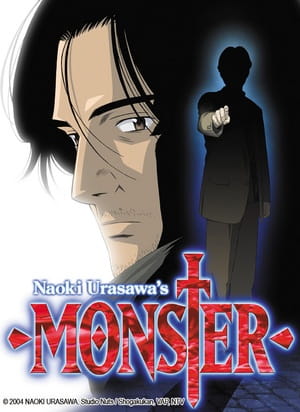
Tenma's moral evolution from ambitious careerist to a man willing to abandon the Hippocratic Oath and pull a trigger is among the genre's most convincing arcs. Johan stands as one of anime's most chilling antagonists precisely because his menace is psychological rather than physical, while supporting figures like the haunted Inspector Lunge, the reformed Eva Heinemann, and Nina/Anna receive genuine interior lives. Even one-episode characters are written with novelistic care that reinforces the show's humanist thesis.
- 2
 Shonen
This is the season's crown jewel: the Mogami arc strips Mob of his power and dignity to interrogate whether his restraint is genuine virtue or learned helplessness, and the Reigen-centric arc (episodes 8-9) where the city turns on him and Mob defends him is one of the best mentor-student payoffs in the demographic. Reigen's arc — a con man forced to confront his own emptiness and earn Mob's trust back — gives a supporting character a fuller redemption than most shonen protagonists get. Even Dimple and Ritsu are afforded genuine interiority rather than functional roles.
- 3
 Shonen
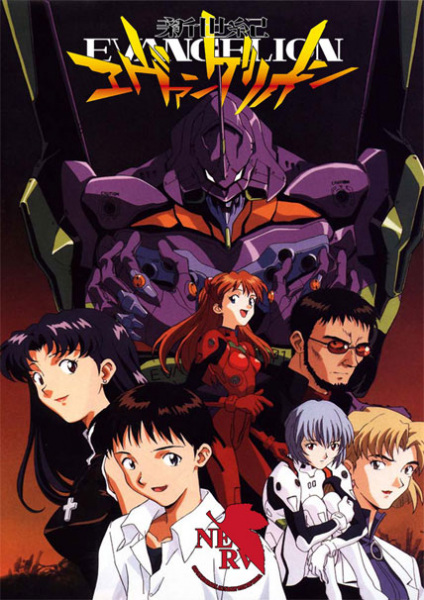
Shinji's paralytic avoidance, Asuka's collapse from bravado into a self-worth crisis (peaking in her Unit-02 defeat in episode 22), Misato's performative maternal warmth masking her own trauma, and Rei's dissolving sense of self are rendered with rare psychological honesty for the demographic. Growth is not triumphant but excruciating and often regressive, subverting shonen's usual arc of empowerment. Few shonen titles commit this fully to characters who fail to overcome themselves.
- 4
 Seinen
Masaaki Yuasa refuses to let any player be a disposable opponent — Akuma's bitter realization that hard work cannot overcome innate talent, Kong's exile and gradual acceptance of Japan, and Dragon's terror of losing his identity are each given devastating weight. Smile's arc from a withdrawn 'robot' suppressing his gift to someone who rediscovers play, mirrored against Peco's collapse and rebirth as the 'hero,' is one of the genre's finest character symmetries. The growth feels earned because flaws are never resolved cleanly — winners and losers alike are quietly transformed.
- 5
 Shonen
Joe's arc from self-destructive drifter to a man fighting his own emptiness is extraordinary character writing — his guilt over Rikiishi, his bond with Yoko, Danpei's stubborn devotion, and especially Carlos Rivera's descent into brain damage all carry real weight. Carlos functions as a haunting mirror of Joe's possible fate, and Mendoza's quiet humanity elevates the final opponent beyond a mere obstacle. The supporting cast at the Doya district keeps Joe grounded, though some figures recede during the boxing-heavy stretches.
- 6
 Shonen
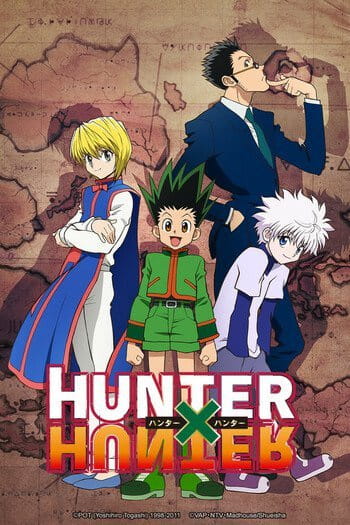
Killua's arc from groomed assassin to a boy choosing his own loyalties is among the genre's finest character writing, culminating in his separation from Gon and the bond with Alluka. Gon's deconstruction during the Pitou confrontation—where his heroism curdles into self-destructive rage—subverts the standard shonen protagonist trajectory. Kurapika's consuming vengeance and Meruem's late awakening to empathy are equally rich, though Leorio is comparatively underserved and sidelined for long stretches.
- 7
 Shonen
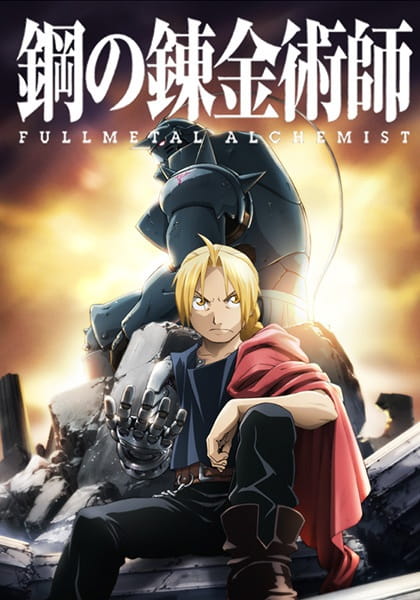
Edward and Alphonse anchor the show, but its strength is how much interiority it grants the supporting cast: Roy Mustang's guilt over Ishval, Riza Hawkeye's literal back-borne complicity, and Scar's arc from zealot to ally all receive real arcs. Even antagonists like Greed and Hohenheim earn pathos, and Winry's grief over the Rockbells' killer being Scar produces one of the show's most mature non-violent confrontations. A few villains (Gluttony, Wrath's wife) stay thinner than the leads deserve.
- 8
 Steins;Gate9.3Seinen
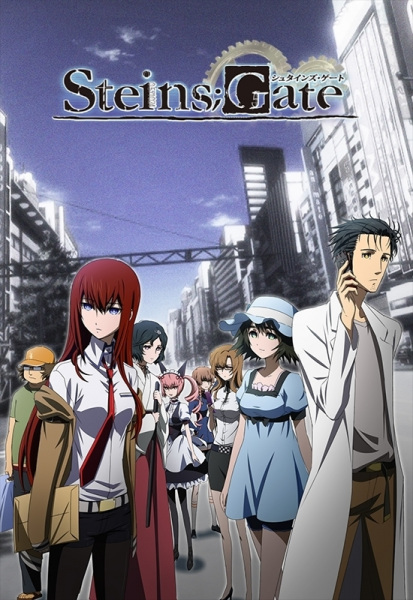
Okabe's arc from theatrical chuunibyou 'Hououin Kyouma' to a broken man forced to watch friends die on repeat is one of the medium's finest deconstructions of a comic protagonist, and Mamoru Miyano's vocal range sells the collapse. Kurisu's prickly-tsundere-to-genuine-partner dynamic avoids cheap tropes because both are intellectual equals, and the Suzuha and Faris D-Mail episodes give side characters real weight. Mayuri is comparatively thin as a character despite being the emotional engine, functioning more as stakes than a person.
- 9
 NANA9.3Shoujo
This is the show's masterpiece dimension: Hachi's neediness is written without contempt, making her self-aware drift toward Takumi painful precisely because it's understandable. Nana Osaki's projection of strength masking abandonment terror—rooted in her childhood and her Ren dependency—is one of shoujo's most layered leads. Even peripheral figures like Nobu, Yasu, and the manipulative Takumi avoid caricature, and the codependent friendship between the two Nanas is rendered with rare honesty about its possessiveness.
- 10
 Shonen
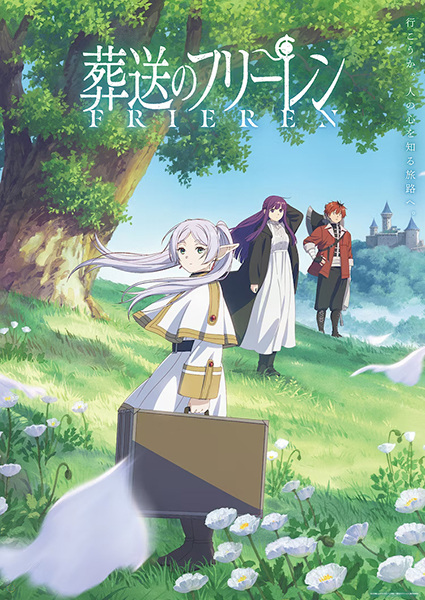
Frieren's arc is built on micro-changes legible across centuries—her growing habit of recording who people are, her delayed grief for Himmel realized through small gestures like learning a spell to gather flowers he liked. Fern and Stark provide grounded contrast as a human apprentice with a finite lifespan, and the dynamic where Fern's impatience mirrors what Frieren once dismissed in Himmel is quietly devastating. Even supporting figures like Stark's fear-driven courage are given real interiority rather than comic-relief flatness.
- 11
 Hikaru no Go9.2Shonen
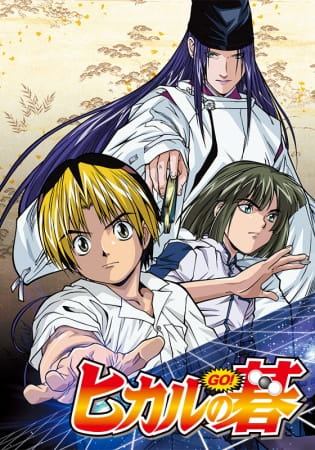
Hikaru's growth from a bored kid mouthing Sai's moves to a player with his own go is charted with remarkable patience, and his rivalry with Akira Touya — built on a single mistaken-identity match — sustains the entire series with real psychological stakes. Sai's arc from joyful obsession to quiet despair at being unable to play directly is heartbreaking, and supporting figures like Waya, Isumi, and Ogata feel like distinct competitors rather than filler. Even Hikaru's grief-driven withdrawal after Sai's disappearance is handled with unusual maturity for the demographic.
- 12
 Josei
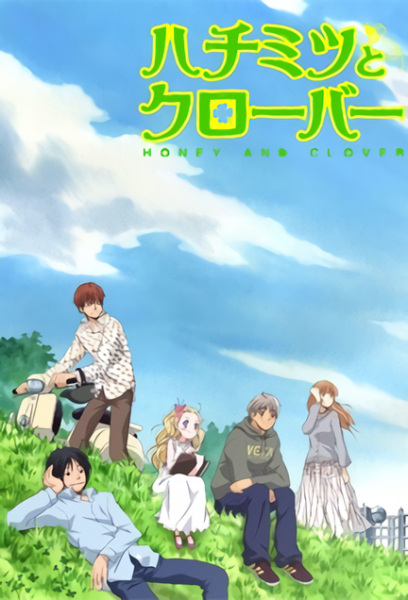
JoseiThis is the show's crown jewel: Takemoto's anxiety about purpose, Yamada's painful loyalty to Mayama, and Hagu's tension between her gift and her humanity are rendered with rare honesty. Morita's manic comedy is gradually peeled back to reveal grief and obsession over his late father, transforming a gag character into the series' most tragic figure. Hagu's injury arc and her dependence on Shuu forces every relationship into a mature reckoning that few josei works attempt.
- 13
 Gintama9.2Shonen
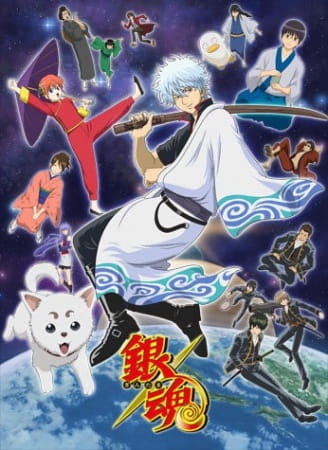
The cast is the show's crown jewel: Gintoki's lazy-deadbeat exterior concealing the trauma of the Joui war is revealed with remarkable patience, and side characters like Katsura, Takasugi, Hijikata, Okita, and the Shinsengumi receive arcs that would carry lesser series alone. Kagura and Shinpachi grow from comic relief into genuinely capable members whose loyalty is earned, not assumed. The genius is that nearly every recurring joke character (even Sa-chan, Hasegawa/Madao, Kyubei) eventually gets a moment of real dimensionality.
- 14
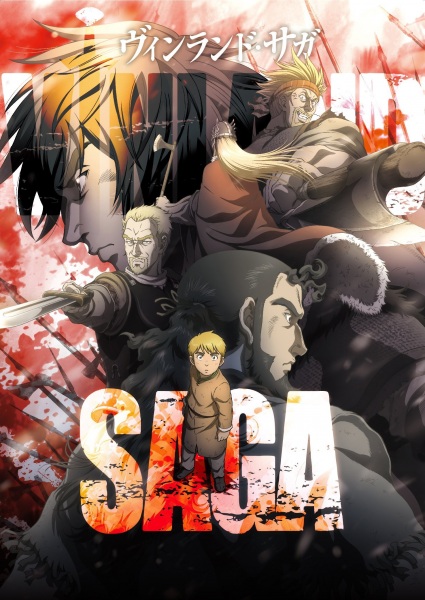 Vinland Saga9.2Seinen
Askeladd is the standout—a cynic whose hidden Welsh ancestry and reverence for King Arthur reframe his entire arc, making his final sacrifice to protect Wales devastating. Canute's transformation from a timid, doll-like prince into a hardened king after Ragnar's death is one of the genre's best supporting arcs, sparked by the priest Willibald's nihilist theology. Thorfinn himself is deliberately hollow this season—a feral, single-minded boy—which is intentional setup but does leave the nominal lead the least interesting figure until the finale's collapse of his purpose.
- 15
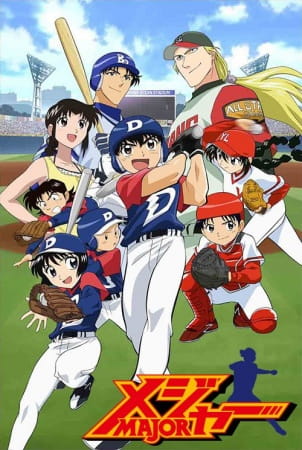 Major9.0Shonen
Gorou is written across a genuine developmental arc — from worshipful child to stubborn, sometimes abrasive competitor — and the show is unafraid to let him be unlikable in his single-mindedness, which is rare for a shonen lead. Shigeharu's quiet dignity in switching from pitcher to batter, and Momoko's role as the stepmother navigating a grieving child, give the supporting cast real interiority. The relationship between Gorou and Toshiya as childhood rivals/friends is built with patience rather than contrivance.
- 16
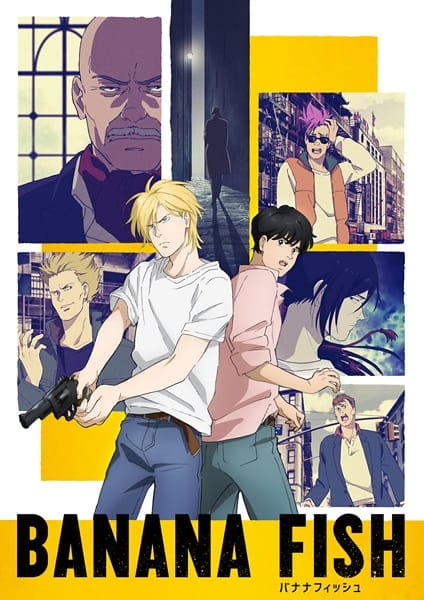 Banana Fish9.0Shoujo
Ash Lynx is a genuinely tragic protagonist—genius-level intellect and lethal competence layered over deep trauma from sexual abuse, and the writing refuses to let his skills heal him. The Ash–Eiji relationship is the emotional spine: Eiji's gentleness functions as the one space free of exploitation, and the contrast crystallizes in episodes like the library finale. Supporting figures like Shorter and Sing get real interiority, though Yut-Lung's arc feels comparatively underdeveloped.
- 17
 Seinen
Godai's arc from aimless ronin to a man who actually finishes school and commits to a career is one of the most honest depictions of arrested male adolescence maturing into responsibility. Kyoko is unusually well-written for the era — her grief over Soichiro is never trivialized, and her jealousy and indecision feel adult rather than melodramatic. Even the meddling tenants Yotsuya, Akemi, and Mrs. Ichinose, though comic devices, develop a believable communal warmth.
- 18
 Shonen
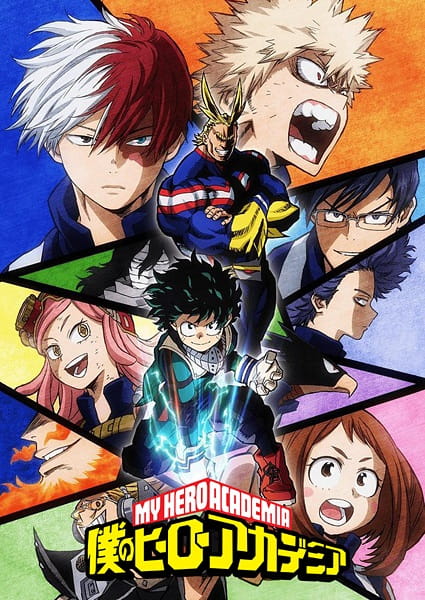
This is the season where MHA's ensemble crystallizes: Todoroki's confrontation with his fire quirk and the trauma of Endeavor transforms him from a cold rival into the show's most compelling figure, and Midoriya's choice to push him toward using his full power is genuinely cathartic. Bakugo's hollow victory and refusal of the medal demonstrates sophisticated handling of a character who could have been a flat bully. Even side characters like Iida, given real grief and recklessness in the Stain arc, get meaningful arcs rather than filler.
- 19
 Shoujo
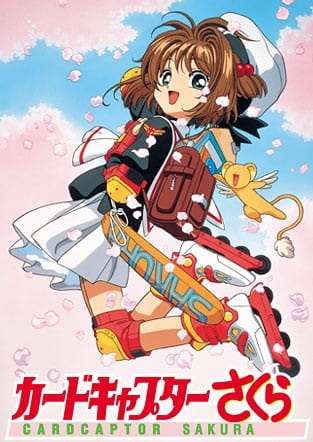
Sakura's growth from a panicky novice into a confident magical girl who internalizes 'everything will surely be all right' is genuinely earned across the run. The supporting cast is unusually rich: Syaoran's slow thaw from cold rival to devoted partner, Tomoyo's selfless, quietly aching adoration of Sakura, and the show's matter-of-fact treatment of multiple non-heteronormative crushes (Touya/Yukito, Tomoyo, Rika/Terada) lend depth rare for its target age. Even minor figures like Touya get meaningful emotional beats around their late mother.
- 20
 Cross Game9.0Shonen
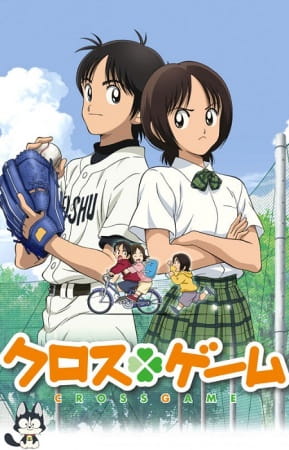
Kou and Aoba's relationship is one of the most understated and convincing in sports romance — their growth is conveyed through glances, baseball, and what goes unsaid rather than monologues, with Aoba's gradual recognition of how much Kou resembles Wakaba's vision handled with real subtlety. Supporting players like Akaishi, Senda, and Akane (who deliberately resembles Wakaba and forces both leads to confront their feelings) are given genuine arcs, though a few teammates remain functional rather than fully realized.
- 21
 One Piece9.0Shonen
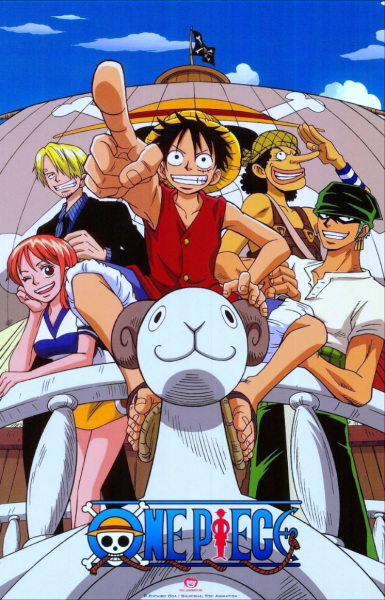
The Straw Hats are among the genre's best-realized ensembles — each member earns a dedicated backstory (Nami's tattoo, Sanji's starvation on Sabaody's rock, Chopper's Hiriluk) that recontextualizes their loyalty to Luffy. Growth is expressed through dreams rather than just power-ups, and Luffy himself, while static in personality, functions as a believable gravitational center. Villains like Crocodile, Doflamingo, and Katakuri are given motive and dignity rather than disposable menace.
- 22
 Slam Dunk9.0Shonen
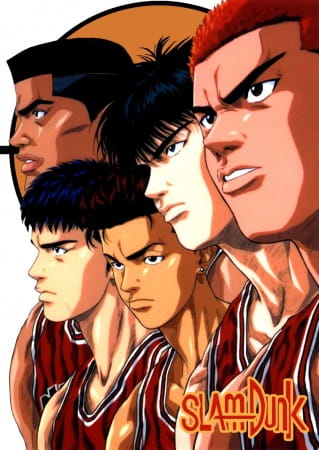
Character growth is the show's crown jewel: Hanamichi evolves from a delinquent chasing Haruko into someone who authentically loves basketball, while rivals like Rukawa, the redemption-arc Mitsui (whose return to the team after his gang detour is a standout), and the resilient Akagi all receive meaningful interiority. Even secondary figures like Miyagi and opposing aces like Sendoh feel fully realized rather than disposable obstacles. The ensemble's chemistry and the believable incremental nature of Sakuragi's skill development outclass most shonen protagonists' instant power-ups.
- 23
 Berserk9.0Seinen
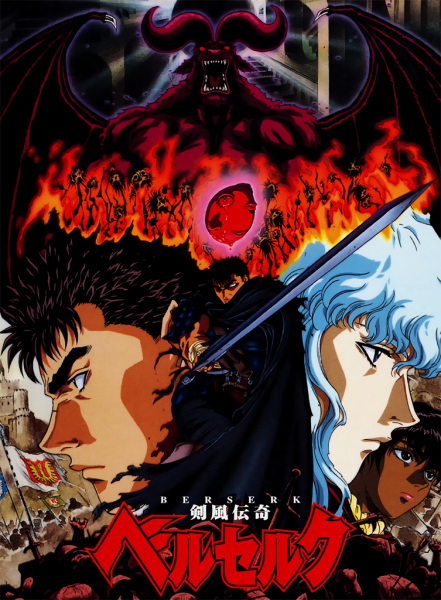
Guts' evolution from a rootless mercenary who fights only for himself to a man who finds belonging in the Band of the Falcon is rendered with genuine interiority, and his fraught dynamic with Griffith carries the whole series. Griffith is one of the medium's great tragic antagonists—his ambition, his fragility after Guts' departure, and his catastrophic choice at the Eclipse make him sympathetic and monstrous at once. Casca is given real arc and agency before the finale, though the supporting Falcon members remain thinly sketched.
- 24
 Shonen
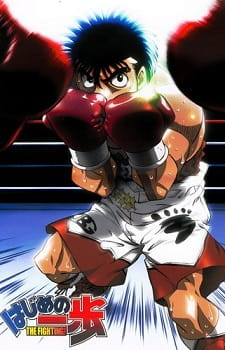
Ippo's evolution from a bullied, timid boy into a disciplined boxer answering 'what does it mean to be strong?' is one of the most earned arcs in sports anime, grounded in his fisherman's physique and relentless training. Supporting figures are unusually fleshed out: Takamura's mentorship masks genuine ambition, Miyata's counter-puncher pride drives his exile to fight Ippo properly, and coach Kamogawa's gruff wisdom anchors the gym. Even one-off opponents like Mashiba and Date are given enough interiority that they linger.
- 25
 Pluto9.0Seinen
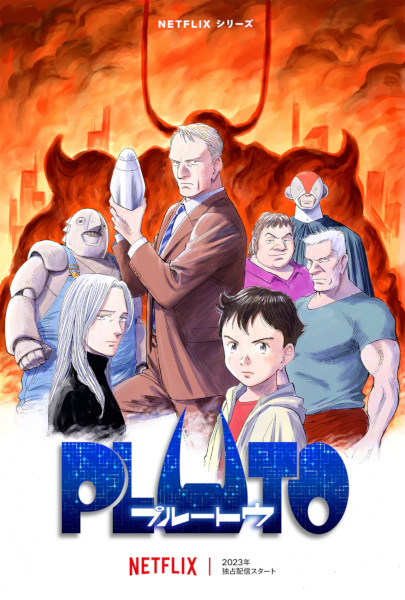
Gesicht is a superb protagonist whose suppressed memories, grief over his murdered adopted child, and capacity for hatred make him the emotional core, and his arc's brutal payoff is devastating. The standalone vignettes — North No. 2 and the composer, the blind musician; Brando and Hercules' rivalry; Atom and the dying Gesicht — give even minor robots full interior lives in minutes. The hatred-as-virus thread connecting Gesicht, Pluto, and Atom is thematically rich, though Atom's resurrection and Abullah's villainy feel slightly thinner than the standout episodes.