Anime with the best stories, ranked
Ranked by narrative craft, not hype: how tightly the arcs are built, whether the pacing holds, and whether the ending pays off what was set up. Great premise, fumbled landing? It shows here.
How the show arranges its arcs, paces its reveals, and pays off what it sets up. Drift in the middle, sticking the landing, internal consistency under pressure.
Top 25
Sorted by raw story score across all genres. Justifications are this criterion only — for the full six-criterion breakdown on a show, open its page.
- 1
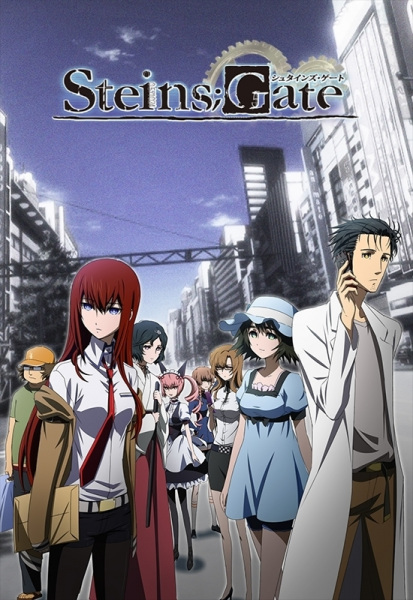 Steins;Gate9.5Seinen
The narrative structure is a masterclass in payoff, transforming a meandering, deliberately slow first cour into a devastating time-loop thriller once Mayuri's death and the D-Mail mechanics lock into place around episode 12. The internal logic of the Divergence Meter, world lines, and Reading Steiner is remarkably consistent, and the climactic 'deceive the world' gambit to save Kurisu without triggering her death rewards the earlier tedium. Its only real flaw is that the first six or seven episodes test patience heavily before the tonal shift justifies them.
- 2
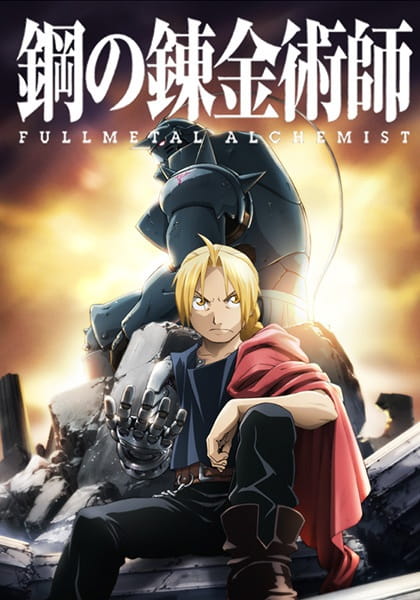 Shonen
The narrative benefits enormously from adapting a completed manga, allowing a tightly foreshadowed plot where Father's nationwide transmutation circle, the Ishvalan genocide, and the Promised Day all interlock without filler. Threads like Hughes's murder, Scar's revenge, and Mustang's coup converge cleanly in the final arc rather than sprawling. The opening episodes rush the early material (the Liore and Tucker arcs feel compressed for viewers without the 2003 anime as context), which is the main structural weakness.
- 3
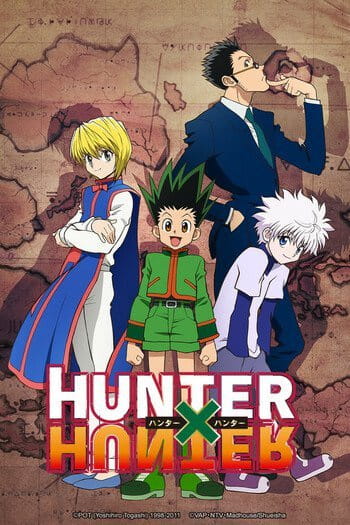 Shonen
The Chimera Ant arc is one of the most structurally ambitious long-form narratives in shonen, escalating from a survival-horror premise into a meditation on humanity that climaxes with the Meruem-Komugi gungi sequence and the East Gorteau invasion's relentless countdown structure. The Yorknew City arc demonstrates Togashi's range with its noir-tinged mafia conspiracy and the Phantom Troupe's amoral menace, while the Hunter Exam and Greed Island arcs use rules-based tension over raw spectacle. Pacing across 148 episodes is mostly tight, though the Election arc functions as an uneven, talky epilogue that drains momentum after the emotional peak.
- 4
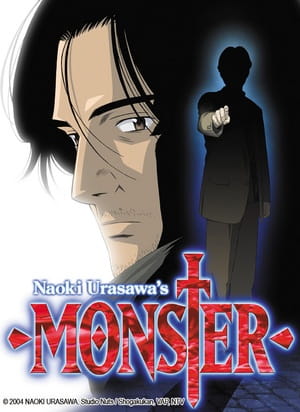 Monster9.5Seinen
Naoki Urasawa's plot is a masterclass in slow-burn suspense, weaving Tenma's fugitive pursuit across post-Cold War Germany with the layered conspiracy of the Kinderheim 511 and 511 Children's Home experiments. The narrative juggles a sprawling cast and decade-spanning timeline with remarkable cohesion, and the gradual reveal of Johan and Anna's origins at the Red Rose Mansion is meticulously seeded. Its only flaw is a mid-series stretch of episodic detours that test patience before the threads reconverge.
- 5
 Shonen
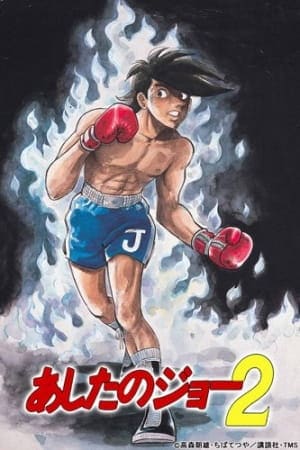
This 1980 continuation picks up after the death of Rikiishi and tracks Joe's psychological recovery through the Carlos Rivera arc and the climactic Mendoza bout, building inexorably toward one of the most famous endings in anime history. The narrative refuses the easy redemption arc — Joe's punch-drunk deterioration, his inability to throw the corkscrew blow after Rikiishi's death, and the looming threat of death-in-the-ring give the story a tragic gravity rare in shonen. It occasionally sags in pacing across its 47 episodes, with some mid-series bouts feeling like filler before the Mendoza confrontation.
- 6
 Seinen
The narrative compresses an entire sports tournament structure into 11 tightly-paced episodes while giving nearly every competitor — Smile, Peco, Kong, Akuma, Dragon, Sakuma — a complete arc with stakes that transcend the scoreboard. The 'hero will come' refrain and Peco's resurrection from rock-bottom to save Smile from emotional emptiness reframes the standard sports-victory formula into a meditation on why people play at all. Its only minor weakness is that the tournament's mechanical progression occasionally takes a backseat to interiority, so viewers wanting conventional bracket tension may find the climax structurally unorthodox.
- 7
 Pluto9.2Seinen
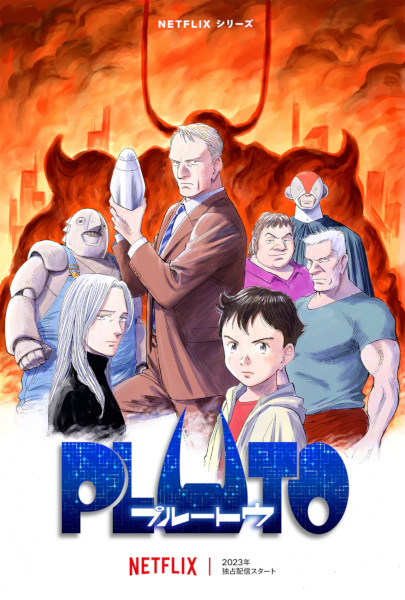
Adapting Urasawa's reimagining of Tezuka's 'The Greatest Robot on Earth,' Pluto restructures a children's arc into a taut murder mystery and geopolitical thriller, weaving the Bora Inquiry and the 39th Central Asian War as a clear 9/11 and Iraq War allegory. The procedural spine of Gesicht hunting a robot-killer is consistently gripping, and the late pivot to Dr. Tenma, Abullah, and the Sahad/Pluto revelation lands the conspiracy with genuine weight. Compressing eight manga volumes into eight episodes occasionally rushes connective tissue, but the plotting remains remarkably disciplined for its length.
- 8
 Shonen
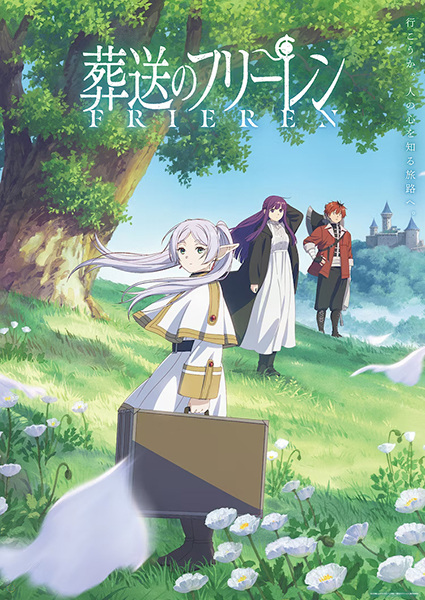
The inverted structure—opening at the quest's end and using Himmel's funeral as the emotional thesis within the first episode—is a masterstroke that recontextualizes the entire journey as memory rather than adventure. The episodic flashback-and-present rhythm sustains remarkable thematic coherence, though the back half's First-Class Mage Exam arc shifts into a more conventional shonen-test structure that, while excellent, dilutes the meditative pacing that made the early Heiter and Eisen recruitment episodes so distinctive.
- 9
 Mushishi9.0Seinen
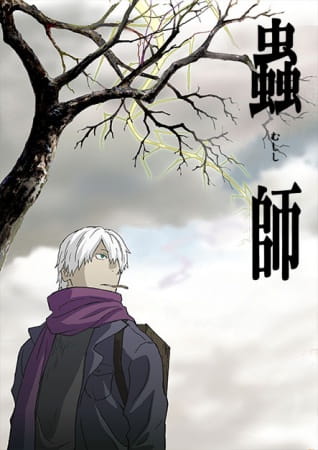
The episodic, near-anthology structure is Mushishi's greatest strength and its only structural risk: each self-contained tale (the manuscript-devouring mushi in 'Pretense of Spring,' the sound-eating affliction of 'Pillow Pathway,' the river of light in 'Banquet in the Farthest Field') functions as a complete folk fable with setup, mystery, and quiet resolution. There is no overarching plot or escalating stakes, which is a deliberate choice rather than a flaw, but viewers expecting cumulative narrative momentum will find none. The writing's discipline in resisting tidy moralizing — many endings are bittersweet or ambiguous — is exceptional within seinen.
- 10
 Shonen
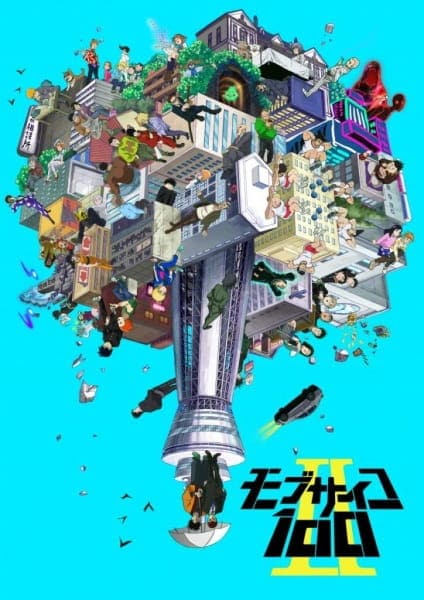
Season 2 is the narrative high point of the franchise, building deliberately toward the Mogami arc and the climactic Divine Tree/Claw confrontation while interweaving low-stakes episodic requests that recontextualize the stakes. The pacing earns its emotional payoffs — Mob's confession arc with Tsubomi and the '???%' explosion are seeded across episodes rather than dumped — though the early Telepathy Club and body-improvement filler beats feel slighter than the back half's intensity. The structure of escalating from mundane to apocalyptic without losing thematic throughline is exceptionally controlled for shonen.
- 11
 Hikaru no Go9.0Shonen
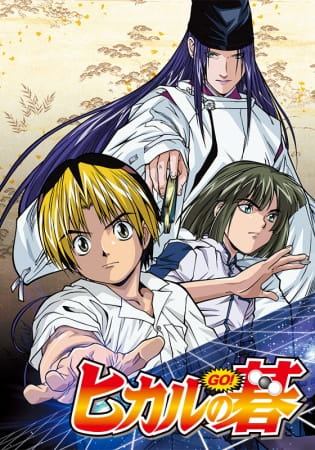
The narrative transforms an esoteric board game into genuine tension, with the Sai arc building toward the devastating turning point of the 'Sai vs. Toya Koyo' internet game and Sai's eventual fading — one of shonen's most affecting structural pivots. The post-Sai pro exam and pro-debut arcs risk losing momentum without their emotional anchor, and the manga's abrupt ending leaves the anime's later stretch (the Hokuto Cup / Korea material) feeling less resolved than the Sai years. Still, the long-game payoff of Hikaru searching for Sai within his own play is masterfully seeded.
- 12
 Vinland Saga9.0Seinen
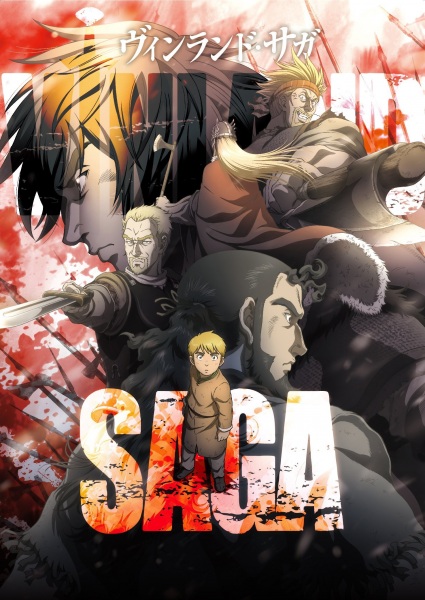
Season 1 functions as a sustained prologue, using Thorfinn's revenge quest as a frame to explore Askeladd's far more compelling political maneuvering during the Danish invasion of England. The narrative gains real weight in the back half with the Prince Canute arc and the betrayal at Jelling, culminating in Askeladd's calculated death before King Sweyn. The deliberate structuring of Thorfinn as a secondary protagonist to his own enemy is a bold gamble that pays off, though the early duel-of-the-week episodes drag before the larger geopolitical stakes crystallize.
- 13
 Shonen
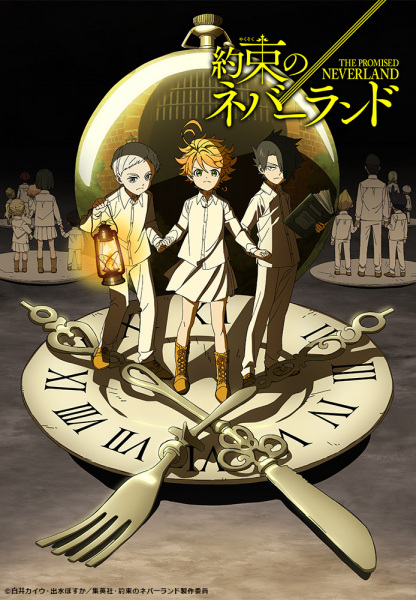
Season 1 is a masterclass in tension-driven thriller plotting rarely seen in shonen, structured as an escape-room battle of wits between Emma's group and Isabella. The reveal in episode 1 — Conny's body and the harvested children — recontextualizes the idyllic premise instantly, and the cat-and-mouse escalation (the tracker discovery, Norman's faked 'shipment') maintains relentless momentum across all 12 episodes. The pacing only occasionally stumbles when the kids' planning outpaces plausible explanation, and the cliffhanger ending leaves the overarching narrative deliberately unresolved.
- 14
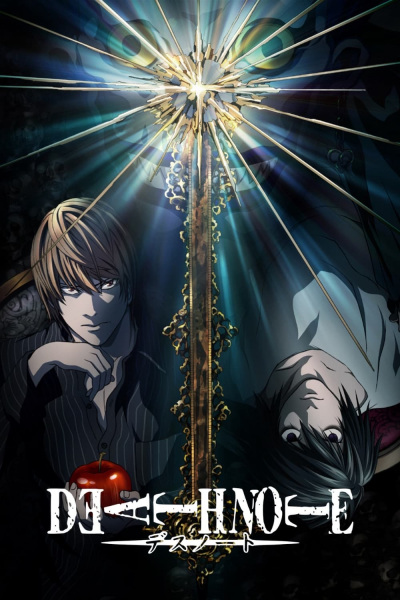 Death Note8.5Shonen
The first half is a near-perfect cat-and-mouse thriller, peaking in the Yotsuba arc and the confined-surveillance gambit where L handcuffs himself to Light. The plotting around the notebook's rules — the false-rule trick, the fake-13-day deception, and Light's manipulation of Rem to kill L — is genuinely ingenious. However, the post-L arc collapses noticeably: Near and Mello are pale L substitutes, and the final stretch coasts on momentum until the Warehouse confrontation in episode 37 delivers a strong payoff.
- 15
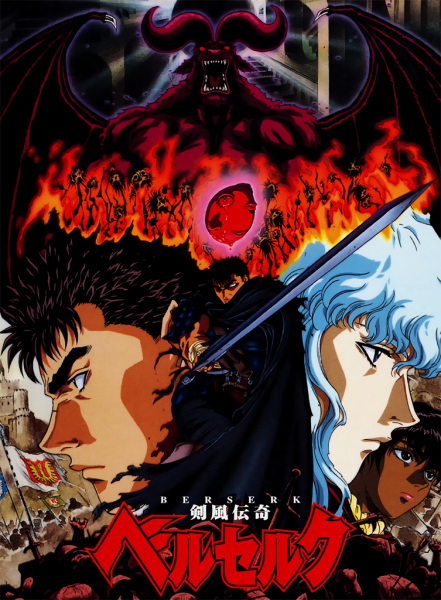 Berserk8.5Seinen
The Golden Age arc is a masterclass in tragic structure, building Griffith's rise and the Band of the Falcon's camaraderie over the bulk of the run before the Eclipse delivers one of anime's most devastating reversals. The pacing occasionally drags in the middle court-intrigue stretch, and the adaptation's abrupt ending mid-Eclipse leaves the narrative truncated for anyone without the manga. Still, the inevitability of the tragedy—telegraphed by the framing Black Swordsman prologue—gives the entire arc a sense of dread that pays off magnificently.
- 16
 Cross Game8.5Shonen
Adachi's narrative structure is deceptively quiet but masterfully paced, anchored by Wakaba's early death in the first arc, which casts a melancholy shadow over the entire 50-episode run without ever becoming maudlin. The slow-burn progression from grief to Kou's silent promise to pitch his way to Koshien, intertwined with the Seishu High baseball arc, rewards patience; the only real weakness is that the central plot beats (rival schools, the climactic games) are conventional and the early episodes meander before the throughline crystallizes.
- 17
 Shonen
The series excels at the sports-shonen formula by structuring each bout as a self-contained arc with rising stakes, from the early Miyata practice match to the championship clash against Sendou Takeshi in the Featherweight title fight. The narrative wisely invests in opponent backstories—Date Eiji's failed shot at a world title and his family, or Sendou's poverty-stricken upbringing—so victories and losses carry weight beyond the punch. The pacing occasionally stalls in lengthy round-by-round play-by-play, and the comedic detours (Takamura's antics) sometimes dilute tension between fights.
- 18
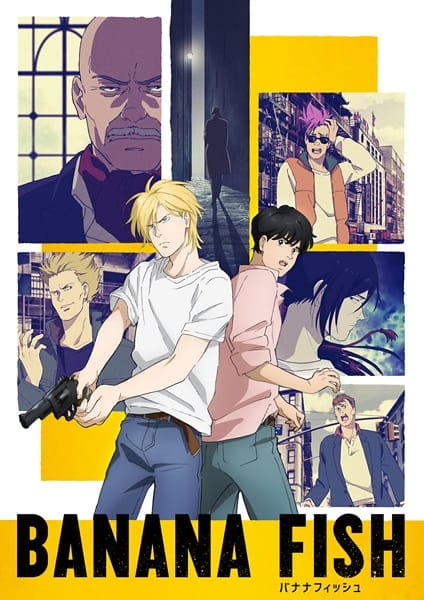 Banana Fish8.5Shoujo
Adapting Akimi Yoshida's 1980s manga, the narrative sustains tension across 24 episodes through the Banana Fish drug conspiracy, gang warfare, and Dino's web of corruption reaching into senators and the military. The Shorter Wong betrayal arc and the mid-series Cape Cod imprisonment are gut-wrenching set pieces, though the breakneck plotting occasionally rushes political machinations and leans on convenient escapes. The relocation from the manga's 1980s to a contemporary setting creates minor anachronisms but the core thriller momentum never flags toward its devastating final episode.
- 19
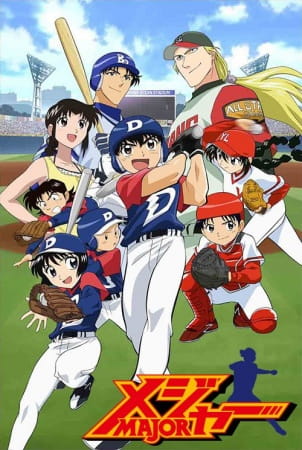 Major8.5Shonen
This first season makes the bold structural choice of devoting its early episodes almost entirely to Shigeharu's career twilight and Gorou's childhood rather than rushing to the protagonist's own rise, and the gut-punch of Shigeharu's death recontextualizes the whole arc into one about inherited dreams. The pacing across Gorou's Little League years and the Mifune connection is deliberate and earns its emotional payoffs, though the time-skips can feel abrupt and some episodes coast on training montage rhythms. It is a sports narrative with unusual willingness to dwell on grief and loss before any triumph.
- 20
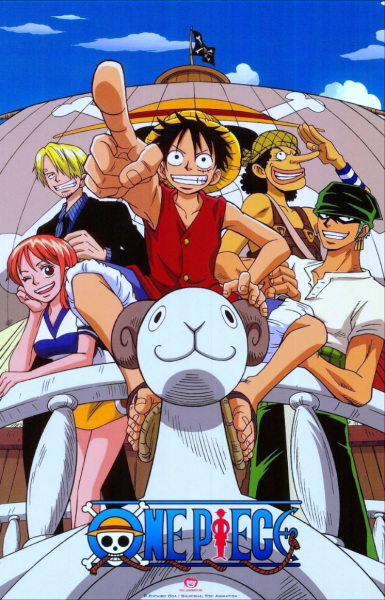 One Piece8.5Shonen
Oda's long-game plotting is the gold standard for serialized shonen — seeds planted in Arlong Park and Alabasta pay off hundreds of episodes later, and arcs like Water 7/Enies Lobby and Marineford build to genuinely seismic climaxes (Robin's 'I want to live!', Ace's death). The weakness is pacing: Toei's adaptation pads battles, drags in stretches like Long Ring Long Land and Fish-Man Island, and the late saga structure (Dressrosa, Wano) bloats individual arcs well past their narrative weight. Still, few shonen sustain coherent escalation across this scale.
- 21
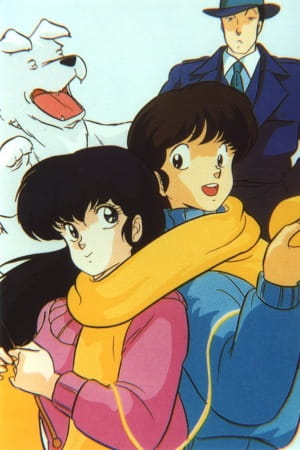 Seinen
Adapting Rumiko Takahashi's manga, the series sustains a single will-they-won't-they premise across 96 episodes with remarkable patience, using Kyoko's widowhood as a genuine emotional obstacle rather than a contrived one. The narrative does suffer from sitcom-style stalling — Godai's misunderstandings with Mitaka, Kozue, and Yagami recur to the point of frustration in the middle stretch — but the deliberate slow burn pays off in the late-series proposal and marriage arc with earned weight rarely matched in romance anime.
- 22
 Seinen
The dual-timeline structure — Maru and Kiruko's road journey through the ruined outside world intercut with the sheltered facility — is masterfully paced, doling out clues that slowly reveal the two threads are separated by time, not just space. The Robin reveal and the gradual realization that the children may be artificially gestated 'next humanity' are seeded with genuine craft. The chief weakness is that 13 episodes adapt only a fraction of the manga, so the series ends mid-mystery without resolving its central questions, leaving the narrative feeling like a deliberately withheld first act rather than a complete arc.
- 23
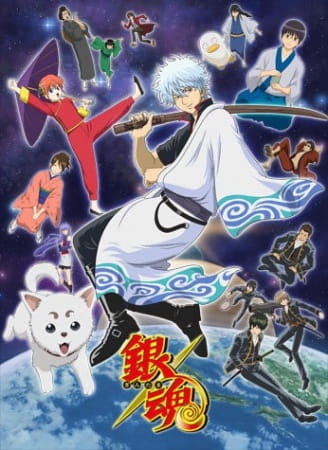 Gintama8.5Shonen
Gintama's structure is its boldest gamble: it oscillates between absurd self-aware gag episodes (the recurring 'we'll get cancelled' meta-jokes, the Owee/parody arcs) and devastatingly serious multi-episode arcs like Benizakura, Yoshiwara in Flames, and the Shogun Assassination/Farewell Shinsengumi arcs. The payoff is enormous when the comedic foundation is suddenly weaponized for emotional stakes, but the early episodes are uneven and the show takes a long time before its serialized plotting (the Joui war backstory, the Amanto power struggle) gains real momentum. The slow-burn reward structure means newcomers face a genuinely flabby first stretch.
- 24
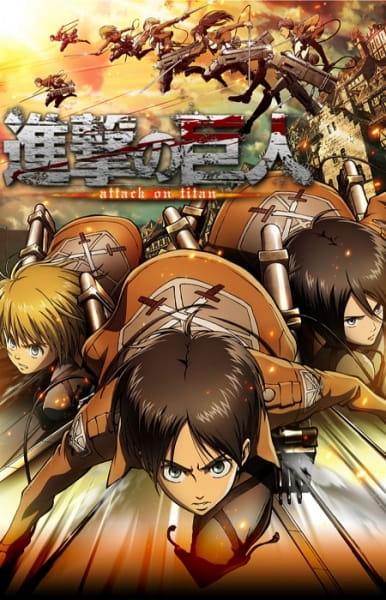 Shonen
Season 1 excels at sustaining dread and momentum, opening with the Wall Maria breach in episode 1 and building to the Female Titan reveal, while the Trost arc cleverly recontextualizes Eren's apparent death into the Titan-shifting mystery. The pacing sags mid-season with recap-heavy episodes and the protracted Trost recovery, and several mysteries are deliberately withheld rather than developed, but the narrative hooks are exceptionally strong for shonen.
- 25
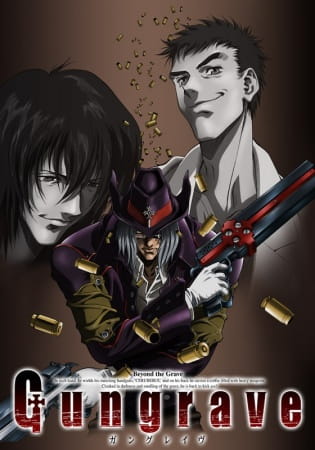 Gungrave8.5Seinen
The structural gambit of opening with the resurrected, near-mute Beyond the Grave before rewinding to spend roughly the first half on Brandon and Harry's slow rise through Millennion is the show's masterstroke — it transforms what could be a generic mob saga into a tragedy whose ending we already dread. The pacing of the early human-drama arc is deliberate and patient, earning the eventual betrayal at the close of the organized-crime half. The back-half tonal shift into Orcman-style necrolyzation and superhuman conflict is the weakest seam, as the supernatural revenge plot is thinner and more rushed than the grounded ascent that precedes it.