The best-animated anime, ranked
Ranked by craft and direction: key animation, choreography, the use of stillness and color. Studios get credit when they earn it — and get named when a show coasts on a famous logo.
Key animation, fight choreography, the use of stillness, color, framing. The difference between 'animated' and 'directed.' Studios get praised when they earn it, named when they don't.
Top 25
Sorted by raw animation score across all genres. Justifications are this criterion only — for the full six-criterion breakdown on a show, open its page.
- 1
 Seinen
Yuasa's direction is the show's signature triumph: split-screen panel layouts that evoke Taiyo Matsumoto's manga, fluid distorted character art, and rally sequences edited with rhythmic, almost musical timing make the matches viscerally kinetic despite minimalist linework. The deliberately rough, unpolished aesthetic is a bold stylistic gamble that perfectly serves the raw emotional register. Episode 10's climactic Peco-vs-Dragon match and the recurring 'flying' imagery are direction at the absolute peak of the medium.
- 2
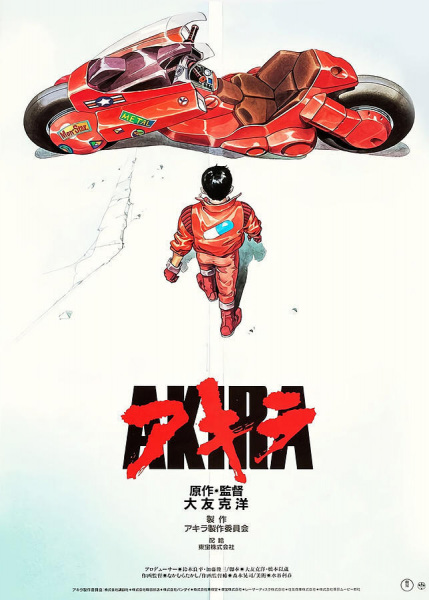 Akira9.8Seinen
A landmark of hand-drawn animation: the 'Kaneda's bike slide,' the prescient use of pre-recorded dialogue for accurate lip-sync, and the over 2,000 shots with an unprecedented color palette make it visually peerless for 1988. Otomo's direction sustains kinetic energy in the bike chases while the climactic body-horror sequence—Tetsuo's mutating, ballooning flesh—remains genuinely disturbing and technically astonishing. Few seinen titles before or since match this craft.
- 3
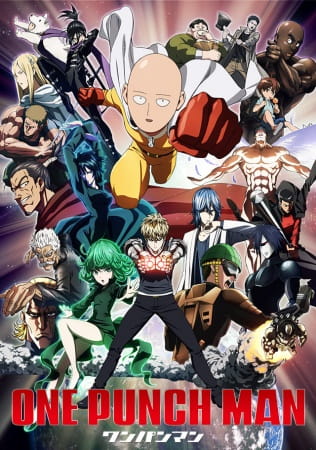 Seinen
Madhouse's production is the season's defining strength: the fluid, weighty sakuga of the Saitama–Genos versus Deep Sea King and the climactic Boros exchange in episode 12 rank among the best action animation of the decade. Direction by Shingo Natsume uses exaggerated detail and speed for the serious fights, then flat, deadpan gag-art for Saitama, making the visual contrast itself a joke. The spectacle earns its reputation without ever feeling like empty flash.
- 4
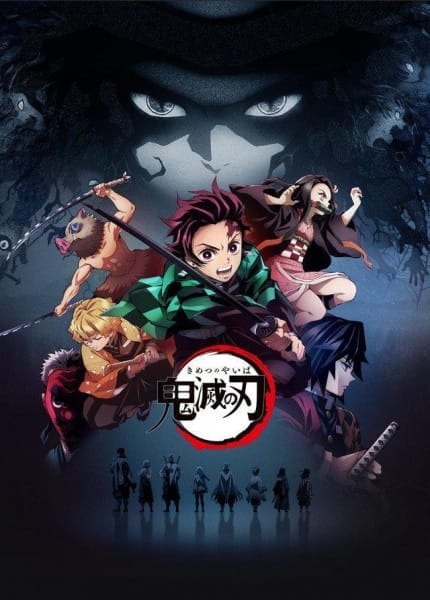 Shonen
This is the show's defining strength. Ufotable's fusion of 2D character work with CG-assisted compositing produces the standout 'water breathing' sequences and the climactic Tanjirou vs. Rui fight (episode 19, 'Hinokami'), widely regarded as a watershed moment in TV anime production. Color, particle effects, and camera movement are consistently theatrical-tier, far exceeding typical Weekly Shonen Jump adaptations.
- 5
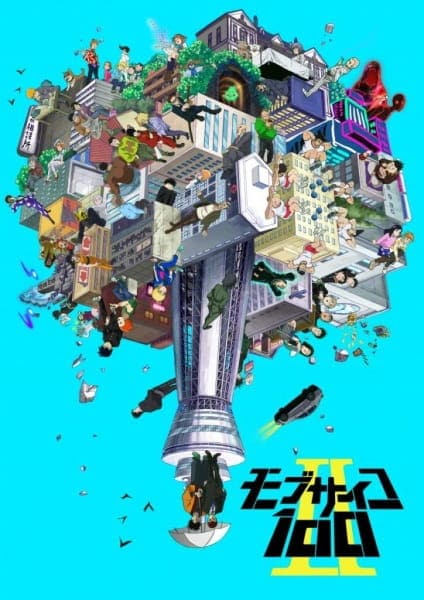 Shonen
Bones delivers some of the most distinctive direction in modern shonen — the fluid shift between minimalist character art and explosive paint-on-glass, charcoal, and watercolor sequences during Mob's outbursts is unmatched. The Mogami arc's nightmarish dreamscapes and the finale's sakuga-dense psychic battles (handled by directors like Yuzuru Tachikawa's team) make abstract emotion physically legible. Only occasional off-model comedic frames keep it just shy of perfect.
- 6
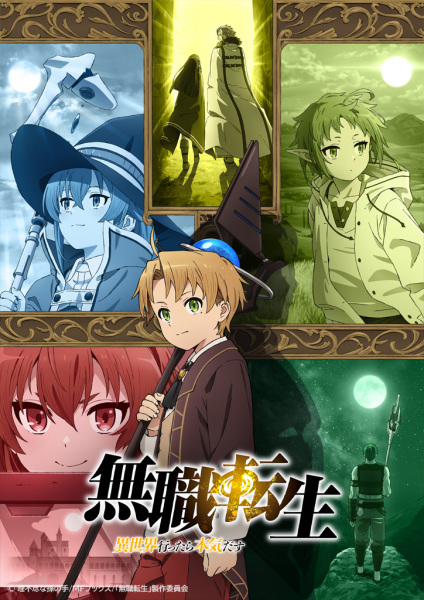 Seinen
Studio Bind's debut production is a technical showcase—fluid character acting, painterly backgrounds, and standout spectacle in the Supard village flashback and the teleport-storm sequence. Direction by Manabu Okamoto uses restrained framing for the quiet childhood beats and unleashes scale for the disaster, while the sound design and Yoshiaki Fujisawa score anchor the emotional peaks. This is among the best-looking isekai productions ever made and the single strongest element of the show.
- 7
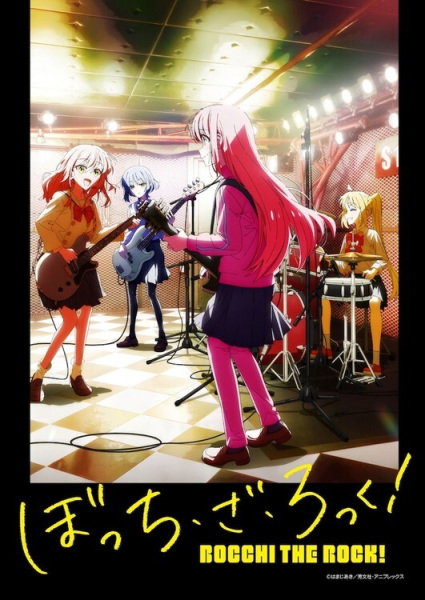 Seinen
CloverWorks' direction is the show's standout achievement—Bocchi's anxiety is visualized through wildly shifting media (claymation, pencil sketches, live-action photo collage, melting textures) that externalize her psychology inventively rather than decoratively. The performance sequences, particularly the finale, use rotoscoped, expressive guitar animation and dynamic staging that sell the music viscerally. This experimental visual language elevates otherwise ordinary scenes and defines the show's identity.
- 8
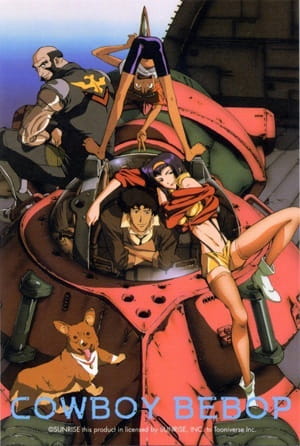 Cowboy Bebop9.3Seinen
Watanabe's direction and Kanno's genre-hopping score are inseparable and near-flawless: the fluid gunplay and church shootout in 'Ballad of Fallen Angels,' the jazz-timed editing, and the cinematic framing set a standard that holds up decades later. Character animation is expressive and consistent, and the sound design's marriage of image to music ('Tank!', 'The Real Folk Blues') is exemplary of the medium.
- 9
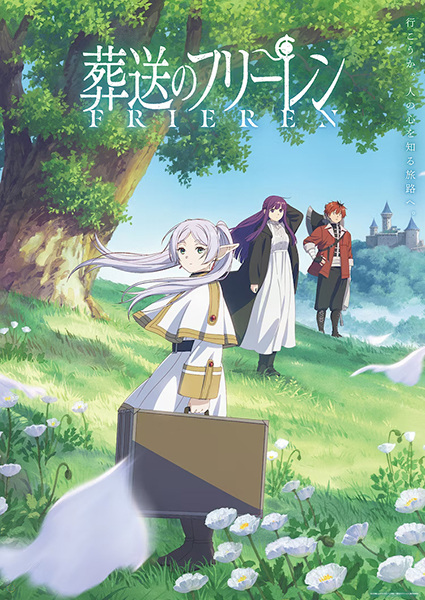 Shonen
Madhouse delivers exceptional environmental art and a muted, autumnal palette that visually encodes nostalgia and the passage of time. Evan Call's score and the deliberate, breathing pacing—long silent holds on Frieren's face, the restraint in dialogue scenes—are directorial choices that prioritize emotion over spectacle, yet the Frieren-versus-Aura duel proves the studio can deliver kinetic combat when needed. Consistency across 28 episodes is remarkable.
- 10
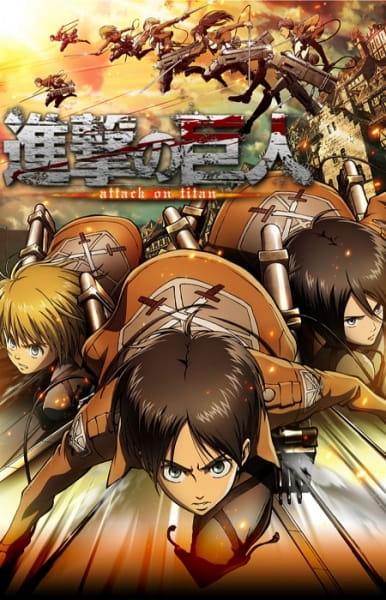 Shonen
Wit Studio's ODM gear sequences are kinetic and spatially legible, with standout direction in the Female Titan forest chase and the visceral weight of Titan attacks. Hiroyuki Sawano's bombastic score and the iconic 'Guren no Yumiya' opening amplify the spectacle, though some later episodes show visible quality dips and overreliance on CG-assisted crowd scenes.
- 11
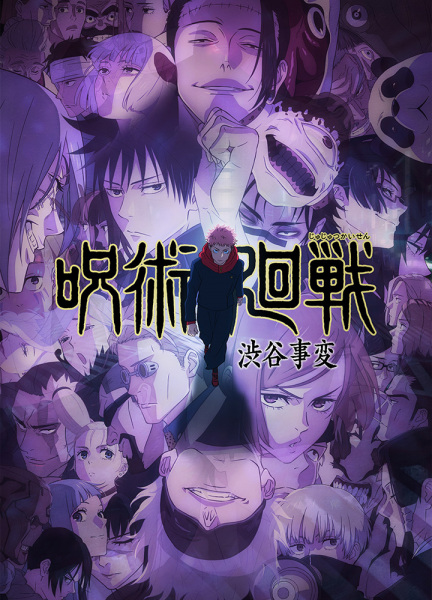 Shonen
MAPPA's production is technically dazzling—Gojo vs. Jogo, the Shibuya cityscape destruction, and Sukuna's Malevolent Shrine are standout sequences with fluid sakuga and inventive camera work. Director Shota Goshozono stages the Gojo sealing and Toji fight with real tension and weight. The achievement is shadowed by the well-documented brutal labor conditions behind it, and a few later episodes show fatigue in consistency.
- 12
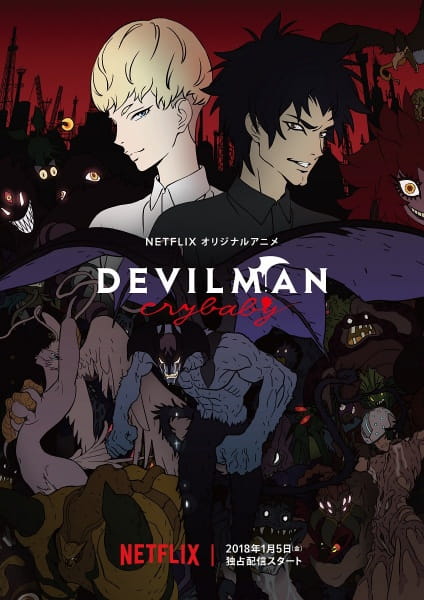 Devilman9.0Shonen
Masaaki Yuasa and Science SARU deliver fluid, elastic, deliberately ugly-beautiful animation that suits the body-horror — the Sabbath transformations and devil battles abandon clean linework for visceral distortion. The track-running sequences, the neon Sabbath rave, and the apocalyptic finale use bold color and rhythmic editing to elevate the material. The expressionistic style is divisive and occasionally crude, but it is fearless and unmistakably authored direction.
- 13
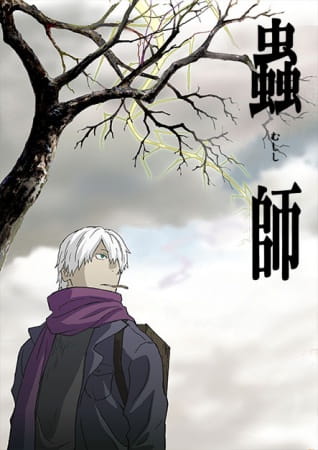 Mushishi9.0Seinen
Artland under Hiroshi Nagahama renders mountains, mist, and water with painterly stillness; the deliberate pacing and ambient sound design (insects, wind, dripping water) are central to the atmosphere rather than decorative. The mushi themselves are designed with restrained, ethereal beauty — the luminous Kouki, the writhing tokoyami. Animation is economical rather than flashy, occasionally limited in motion, but direction and Toshio Masuda's spare score elevate every frame.
- 14
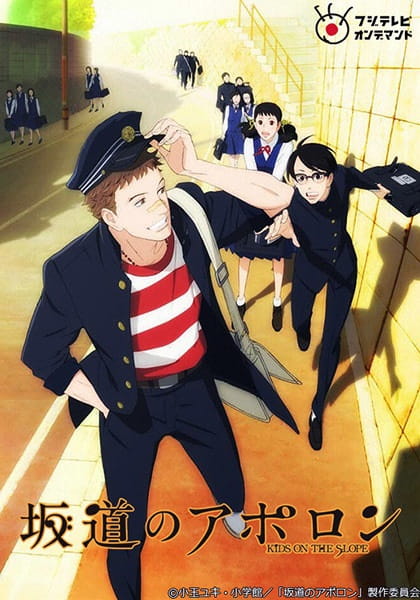 Josei
JoseiShinichiro Watanabe and Yoko Kanno reunite to extraordinary effect: the performance scenes use rotoscoping so the finger placement and drumming match the actual music, a level of craft almost no music anime attempts. Direction favors restrained, expressive framing and the jam sessions are choreographed as emotional climaxes. Tezuka Productions' character animation occasionally looks modest outside the set-pieces, but the soundtrack and musical direction are best-in-class.
- 15
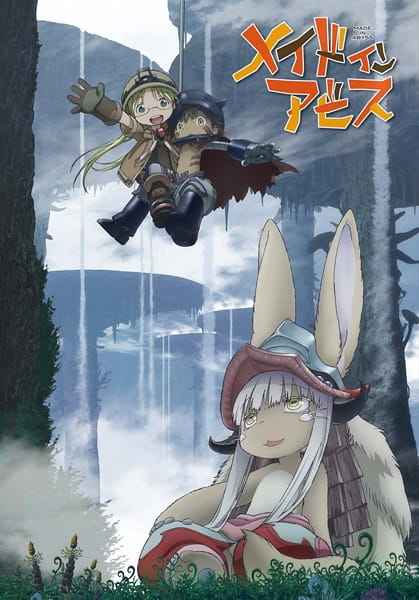 Seinen
Kinema Citrus renders the Abyss with painterly background art that makes the chasm feel vast and alive, and the contrast between lush vistas and body horror is directorially deliberate. Kevin Penkin's score is exceptional, fusing choral and orchestral textures to elevate awe and dread alike. Episode 10's treatment of Reg, Mitty, and Nanachi is a masterclass in sound design and restraint, though some CG creatures sit slightly stiffly against the hand-drawn world.
- 16
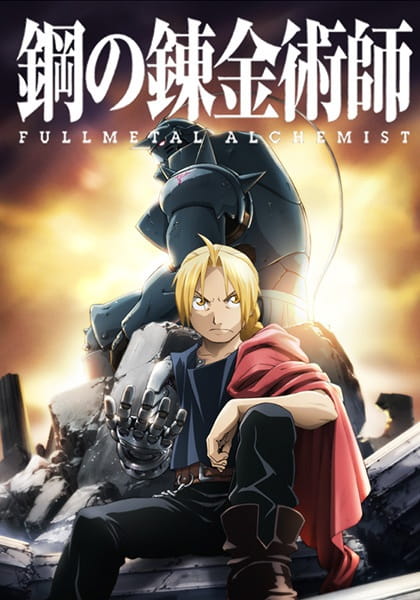 Shonen
Bones delivers fluid, weighty alchemy combat—Mustang's flame duel against Lust and the Briggs/Sloth sequences stand out—with clean character acting and Akira Senju's score elevating the Promised Day climax. Direction handles a huge ensemble's simultaneous battles with rare clarity. It is excellent rather than visionary; the early episodes are visually flatter, and the style is polished-conventional rather than boundary-pushing like contemporaries such as the same studio's later work.
- 17
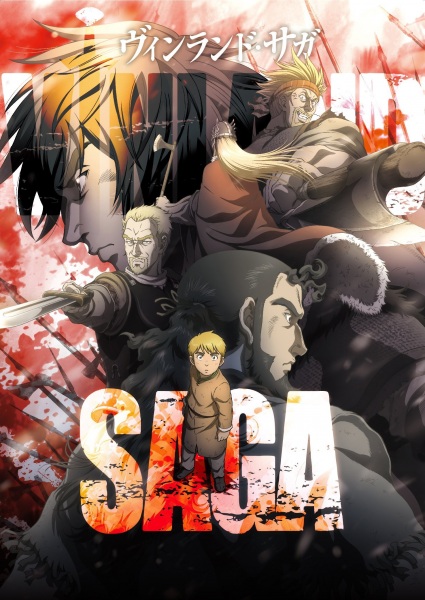 Vinland Saga8.7Seinen
Wit Studio delivers fluid, weighty combat and excellent character acting, with standout sequences in the Battle of London and Thorkell's clashes. The direction excels in quiet moments—Askeladd's final stand and Canute's silent grief—using restrained framing and Yutaka Yamada's brooding score to maximize impact. Some later episodes lean on noticeable CGI for crowd and ship scenes, a minor blemish on otherwise strong production values.
- 18
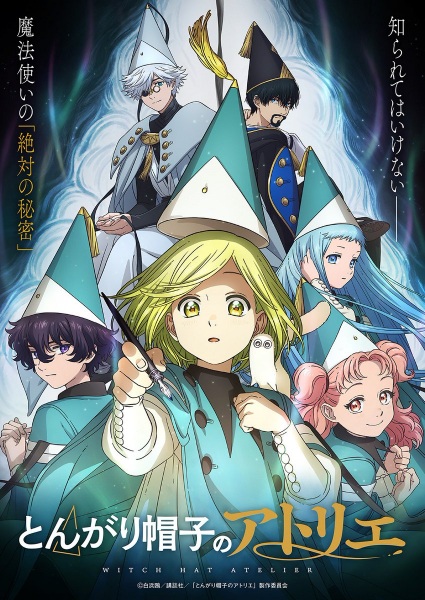 Seinen
BUG FILMS commits to the manga's intricate linework, animating the act of spell-drawing as deliberate, almost calligraphic motion, which makes magic feel earned rather than flashy. The petrification sequence and the underwater testing-cave set piece use color and light to convey wonder and dread without over-relying on action spectacle. Occasional reliance on still compositions during dialogue-heavy stretches slightly undercuts the otherwise sumptuous direction.
- 19
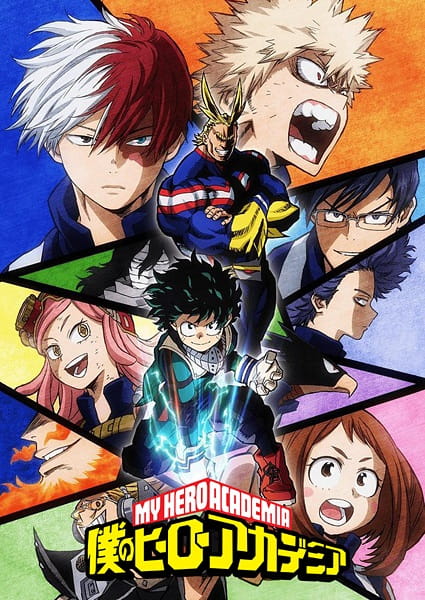 Shonen
Bones delivers standout sakuga in the Midoriya-Todoroki duel, where the clashing ice and fire is choreographed and colored with thrilling clarity, and Yamashita's direction uses freeze-frames and impact lighting to punctuate emotional beats. The Stain fight features grittier, shadow-heavy compositions that distinguish it tonally from the festival's bright spectacle. Some lower-budget episodes in the tournament's earlier rounds show flatter animation, but the peaks are exceptional.
- 20
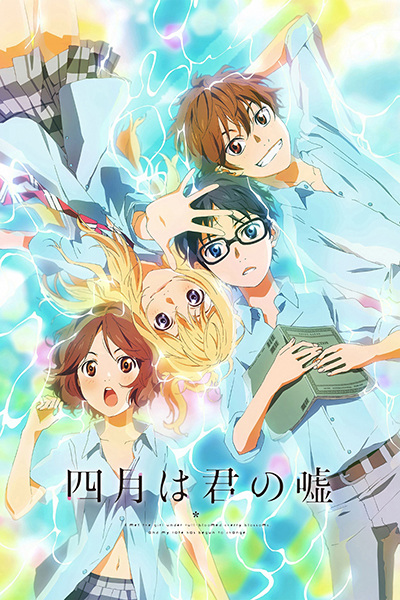 Shonen
A-1's direction shines in the performance sequences, where synchronized animation, falling cherry blossoms, and shifting color palettes visualize the emotional interior of playing — Kaori's opening violin recital and Kousei's Chopin under water imagery are standouts. Naoko Yamada-adjacent sensibilities in framing light and petals give it a lyrical texture, and Masaru Yokoyama's score is inseparable from the show's impact. The insert songs and classical pieces are integrated with real care.
- 21
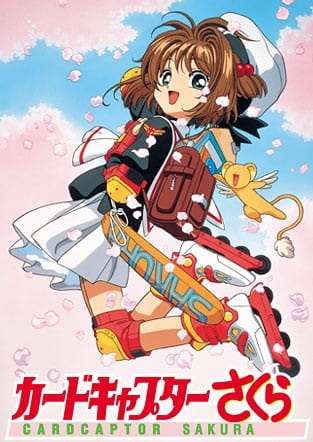 Shoujo
Madhouse paired with CLAMP's designs delivers consistently fluid animation, expressive character acting, and Tomoyo's endless parade of bespoke battle costumes that double as a visual love letter. Director Morio Asaka's framing of the eyecatches, transformation sequences, and emotionally charged moments (the Yukito rooftop confession, the Final Judgement atop Tokyo Tower) is graceful and assured. The fluid card-capture set pieces hold up far better than most contemporaneous TV anime.
- 22
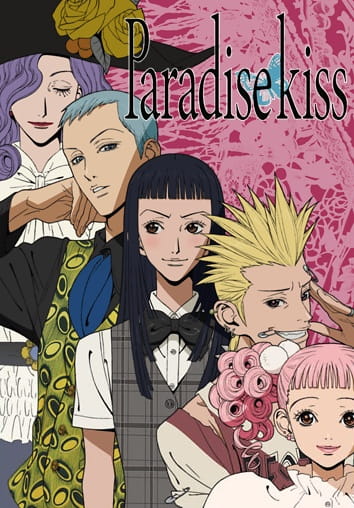 Josei
JoseiMadhouse honors Ai Yazawa's elongated, fashion-illustration character designs while integrating live-action photography backdrops and bold motion graphics that mirror the editorial-magazine sensibility. Director Osamu Kobayashi's stylistic flourishes—stark color blocking, the energetic ED 'Lonely in Gorgeous'—give it a distinct visual identity rare among 2005 TV anime. The runway and atelier sequences carry genuine tactile interest in fabric and movement.
- 23
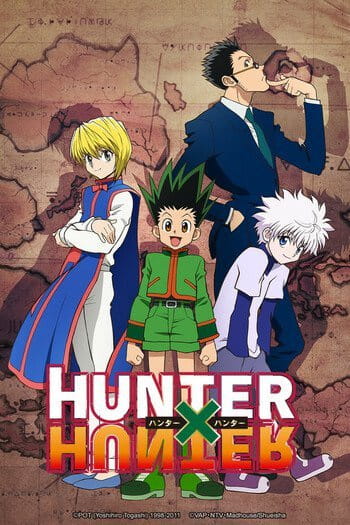 Shonen
Madhouse delivers strong, mood-driven direction—the muted palette and creeping dread of the Chimera Ant arc, the dynamic choreography of Gon vs. Hisoka, and the harrowing visual transformation of Gon's adult form. Direction excels at tension and stillness over constant motion. However, animation quality is inconsistent across the long run, with some early-arc sequences and budget-conscious episodes looking flat compared to the standout setpieces.
- 24
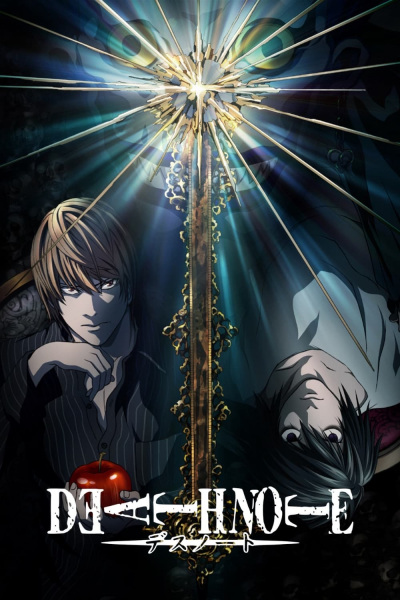 Death Note8.5Shonen
Madhouse and director Tetsuro Araki elevate a fundamentally dialogue-and-thinking show through expressionist direction: dramatic lighting, Caravaggio-esque framing, and the iconic gothic-religious imagery of Light eating an apple like a sacrament. Sound design and the Hideki Taniuchi/Yoshihisa Hirano score (the operatic 'L's Theme' and choral 'Kyrie') turn deductions into setpieces. Some later episodes show flatter, more static animation, but the visual ambition rarely falters.
- 25
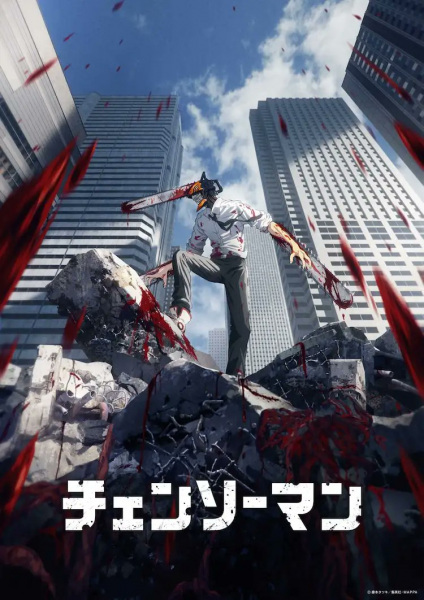 Chainsaw Man8.5Shonen
MAPPA's production is cinematic and restrained, favoring grounded weight and film-grain grading over typical Jump flash, with Nakayama's direction emphasizing mundane horror and grime. The Katana Man fight and Power's transformations are kinetic standouts, and the rotating ED sequences each episode are a notable creative flourish. Some viewers found the muted, realistic palette and CG integration a downgrade from the manga's raw energy, a fair criticism.