The most emotionally resonant anime, ranked
Ranked by what's underneath the premise: how durably the themes hold up, and whether the show actually lands the feeling it's reaching for — not whether it cries on command.
The substance underneath the surface premise. How durably the themes hold up to re-reading. Whether the show makes you feel what it's trying to make you feel.
Top 25
Sorted by raw themes score across all genres. Justifications are this criterion only — for the full six-criterion breakdown on a show, open its page.
- 1
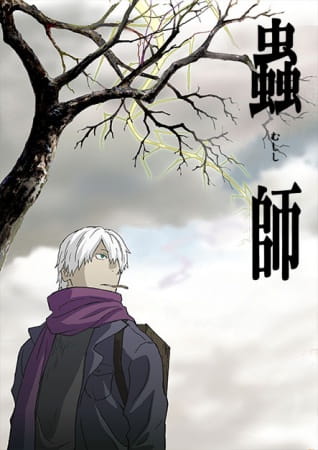 Mushishi9.5Seinen
The show's thematic core — coexistence with an indifferent natural order, the impossibility of labeling mushi 'good' or 'evil,' acceptance of loss — is delivered with remarkable consistency and restraint. Episodes like 'One-Eyed Fish' (Ginko's origin) and 'Sea of Writings' achieve genuine emotional resonance precisely because they refuse melodrama, letting grief and wonder coexist. Its Shinto-tinged ecological humility feels distinct from almost anything in the medium.
- 2
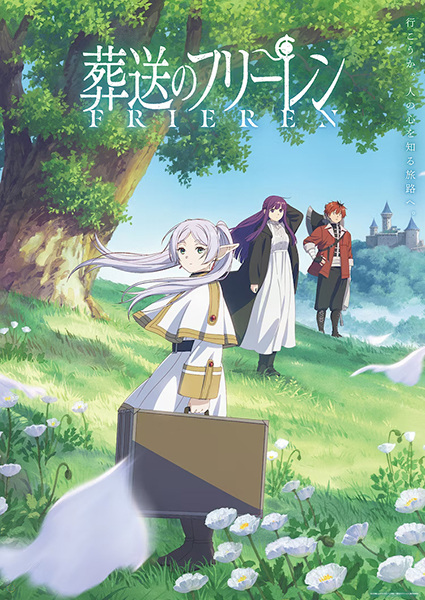 Shonen
The show's core meditation on memory, mortality, and the value of fleeting connection against an immortal's timescale is executed with rare restraint—the recurring motif of 'understanding humans' pays off in moments like Frieren weeping at Himmel's grave only after his death. The line that the journey was meaningful because of who she traveled with, not the destination, lands without sentimentality. Emotional resonance is the series' single greatest strength.
- 3
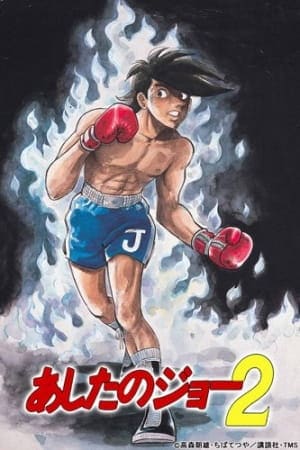 Shonen
The series interrogates living completely versus living long — Joe's desire to 'burn pure white' until nothing remains is articulated through his refusal to protect himself and his pursuit of a fatal intensity. Mortality, class poverty in the Doya slums, and the cost of devotion to a single passion run throughout, and the ending crystallizes these into an image of self-immolating fulfillment. The emotional resonance is unusually mature and uncompromising for its demographic.
- 4
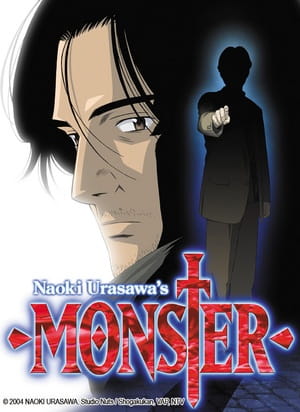 Monster9.3Seinen
The series interrogates the value of a single human life, the nature of evil, and whether monsters are born or made, refusing easy answers through Johan's nihilistic experiments and Tenma's stubborn faith. The recurring children's-book motif of 'The Nameless Monster' gives the abstract themes a haunting emotional anchor. It occasionally over-explains its philosophy through villain monologues, slightly blunting subtlety.
- 5
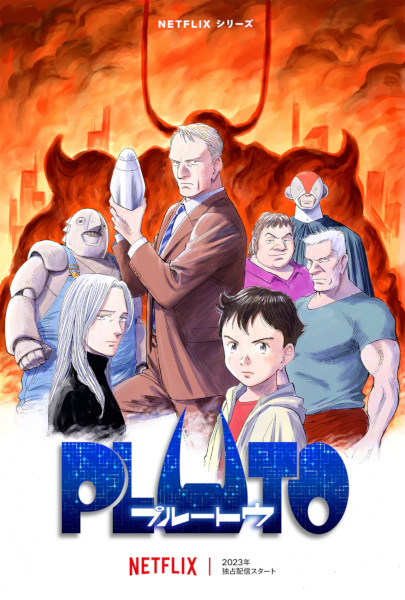 Pluto9.3Seinen
The show interrogates grief, vengeance, and the cyclical nature of hatred with rare maturity, asking whether robots' acquisition of 'human' emotion is a gift or a curse. Episode beats like North No. 2 learning the piano, or Gesicht's frozen tears, render the question of robot personhood viscerally. Its anti-war and anti-revenge messaging never collapses into preachiness, sustaining genuine emotional resonance throughout.
- 6
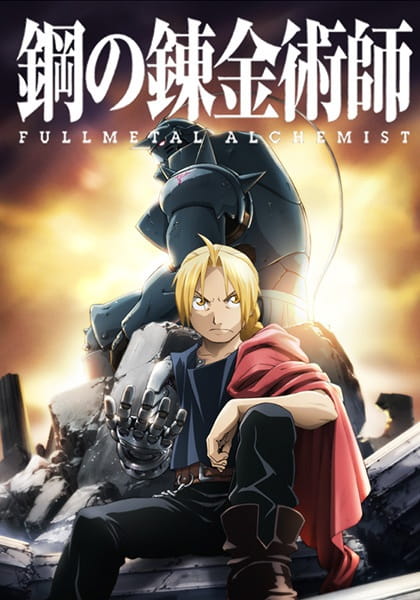 Shonen
Equivalent exchange functions as both a magic rule and a moral thesis, tested by the human transmutation taboo and the question of whether sacrifice guarantees reward—Ed ultimately rejecting alchemy itself to reclaim Al is a thematically perfect payoff. The Ishval genocide gives the work genuine weight on war guilt and ethnic cleansing, rare for shonen. Occasional tonal whiplash between comedy and atrocity slightly undercuts the heaviest beats.
- 7
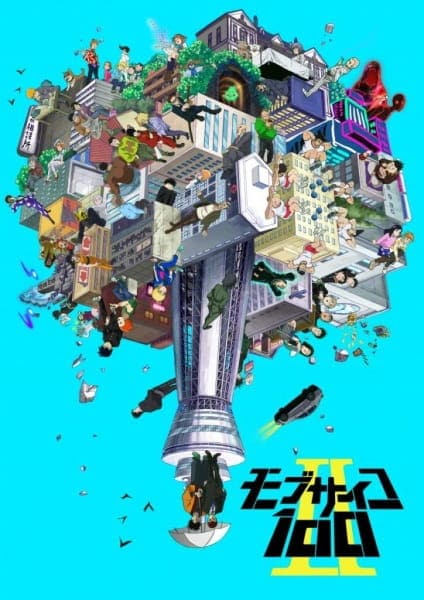 Shonen
ONE's core thesis — that psychic power is irrelevant to being a good person, and that self-worth must come from effort rather than innate gifts — is dramatized rather than stated, especially in Mob's refusal to use violence and his insistence on apologizing. The Mogami arc's exploration of trauma, isolation, and the temptation to lash out lands with unusual weight for a comedy-adjacent shonen. It occasionally undercuts its own gravity with abrupt tonal shifts, but the emotional resonance of the finale is fully earned.
- 8
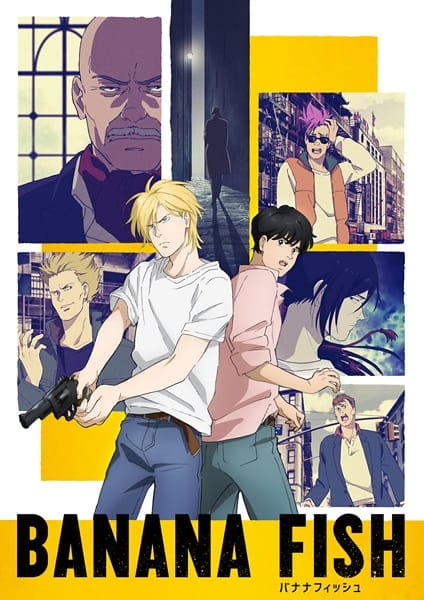 Banana Fish9.2Shoujo
The show interrogates cycles of abuse, the impossibility of escaping a violent past, and whether love can redeem someone conditioned only for survival. Its unflinching treatment of trauma, agency, and the commodification of bodies is rare for any demographic, and the ambiguous tragedy of the ending lands with crushing emotional weight rather than catharsis. Few shoujo works confront violence and exploitation this directly.
- 9
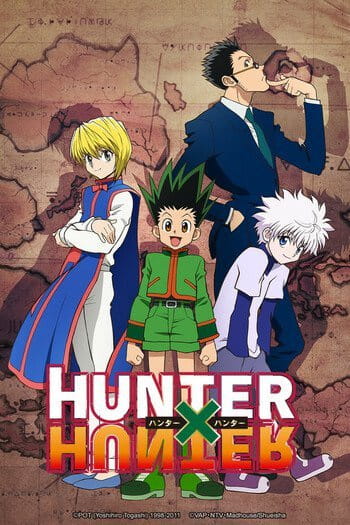 Shonen
The Chimera Ant arc interrogates what separates human from monster through Meruem and Komugi far more bravely than most shonen attempt, while the Gon-Pitou climax refuses to reward obsessive idealism. Recurring meditations on the cost of ambition and the unreliability of family (Ging's reunion deliberately deflates catharsis) give it unusual moral weight. It occasionally overstates its points via narrator exposition, slightly undercutting the emotional resonance it otherwise earns.
- 10
 NANA9.0Shoujo
NANA interrogates the cost of love versus ambition with unusual maturity—Hachi's pregnancy arc and Nana's career sacrifices show dreams and intimacy as mutually corrosive rather than complementary. The recurring motif of strawberries, cigarettes, and the shared apartment grounds abstract longing in tactile detail. Its emotional resonance comes from refusing tidy resolutions, though the unfinished anime blunts the full thematic payoff.
- 11
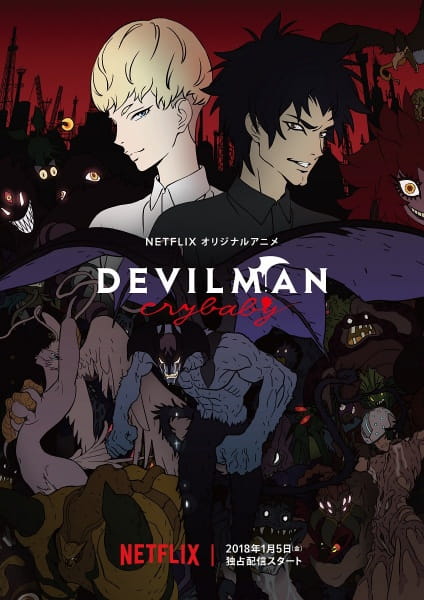 Devilman9.0Shonen
The show's interrogation of humanity-as-the-real-monster is delivered with unusual brutality for the demographic — the mob lynching of Miki and the broadcast of devil identities turn the horror inward devastatingly. Love, queer longing (Ryo's feelings for Akira), and the futility of compassion in a doomed world are handled with emotional sincerity rather than shock for its own sake. The final image of corpses on a battlefield earns its despair.
- 12
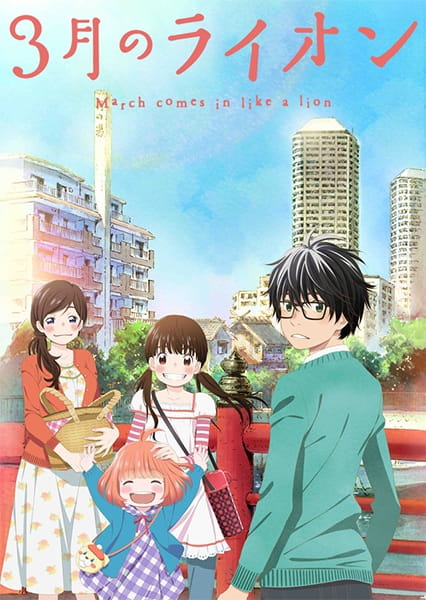 Seinen
The show's treatment of loneliness, found family, and the labor of recovery is exceptionally tender without becoming saccharine, using shogi as metaphor for isolation and the discipline of carrying on. Rei's grief over his birth family and his hesitant acceptance of the Kawamotos' warmth resonates deeply. The bullying subplot involving Hinata's friend Chiho elevates the emotional stakes and articulates a clear ethical statement about standing by others.
- 13
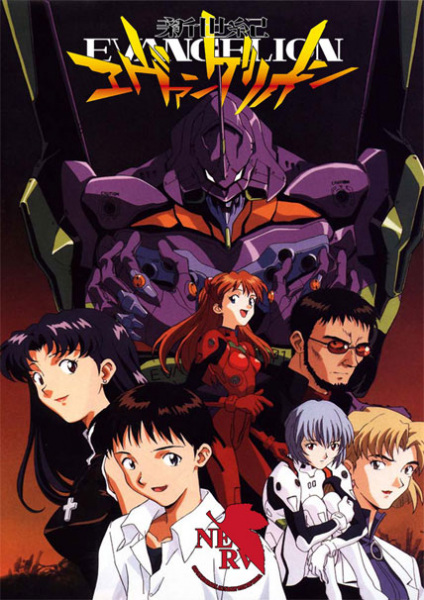 Shonen
The hedgehog's dilemma, the fear of intimacy, depression, and the terror of being defined by others' expectations are woven directly into the mecha premise rather than layered on top. The AT Field literalizes emotional walls, and Instrumentality dramatizes the seductive death-wish of dissolving individual pain. The emotional resonance in Shinji's final self-acceptance ('congratulations') is genuine, though the abstraction dilutes its universal reach.
- 14
 Seinen
The show interrogates talent versus effort, the loneliness of competition, and whether sport should be joy or obligation with unusual honesty for the genre, refusing to glorify victory as inherently meaningful. Akuma's breakdown and Sakuma's adult disillusionment land as genuinely tragic counterpoints to Peco's joyful renaissance. The emotional payoff of Smile smiling for the first time is restrained yet resonant, though a couple of secondary threads resolve slightly too tidily in the final montage.
- 15
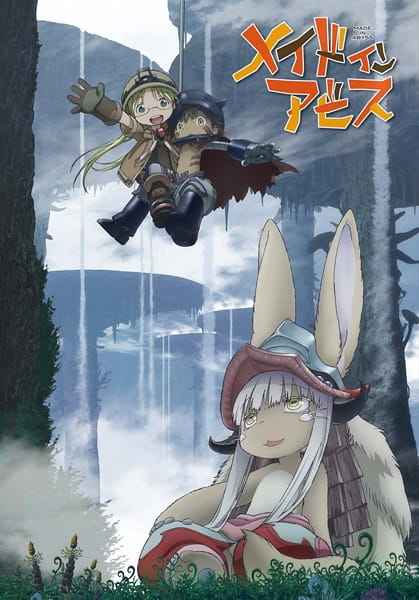 Seinen
The show interrogates the cost of curiosity and ambition with unusual honesty—the Curse of the Abyss literalizes the price of going too far and never turning back. The Mitty and Nanachi arc is among the most emotionally punishing sequences in recent anime, refusing easy comfort while earning its catharsis. Its juxtaposition of cute character designs against profound suffering is deliberate and thematically purposeful rather than gratuitous, though some viewers reasonably read certain content as exploitative.
- 16
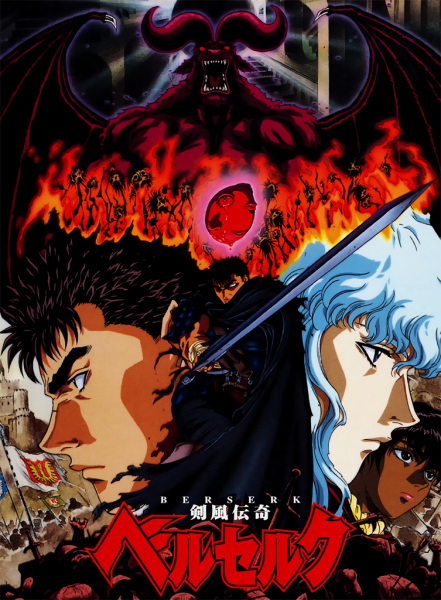 Berserk9.0Seinen
The series interrogates ambition, free will versus causality, and what it means to have a dream worth sacrificing everyone for, crystallized in Griffith's question of what makes a true friend. The Eclipse transforms abstract themes of fate and betrayal into raw emotional horror, and Guts' loss of belonging resonates as a study of trauma. The handling is mature and unflinching in a way few seinen match.
- 17
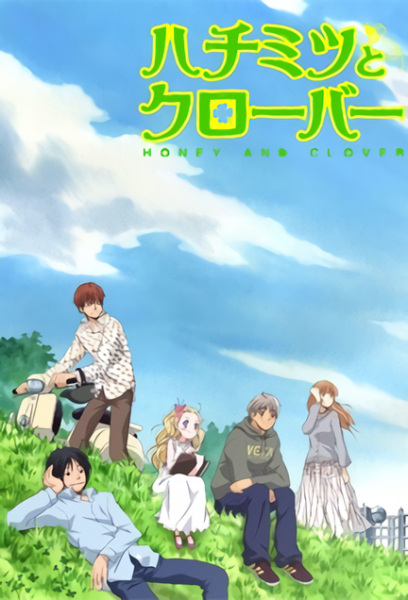 Josei
JoseiThe series captures the ache of youth, unrequited love, and the terror of choosing a future better than almost any of its peers. The recurring motif of one-sided love that never aligns—nobody loves the person who loves them—gives the show a melancholy that resonates deeply. Its meditation on talent versus effort, embodied in Takemoto watching Hagu and Morita's genius, is quietly devastating.
- 18
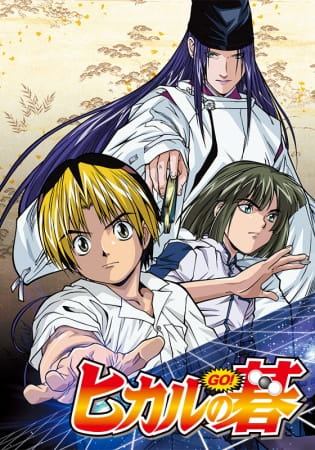 Hikaru no Go8.8Shonen
The show's central metaphor — that Sai lives on through Hikaru's go, and that the pursuit of the 'Divine Move' transcends a single lifetime — gives it an unexpectedly poignant meditation on mentorship, legacy, and continuity across generations. The Heian-era framing and the bond between teacher and vessel resonate far beyond the game. It occasionally states its themes more plainly in the later arcs, slightly dulling the subtlety achieved during Sai's presence.
- 19
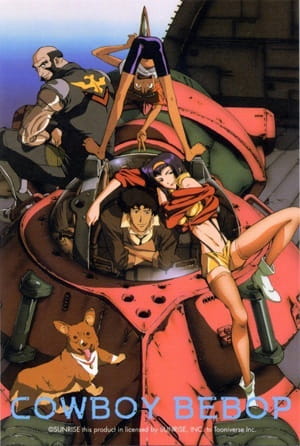 Cowboy Bebop8.8Seinen
Loneliness, the inescapability of the past, and the impossibility of moving forward while chained to memory run through every session, crystallized in Spike's 'I'm not going there to die, I'm going to find out if I'm really alive.' The recurring motif of found family that cannot hold together lends genuine melancholy, though some standalone episodes prioritize style over thematic weight.
- 20
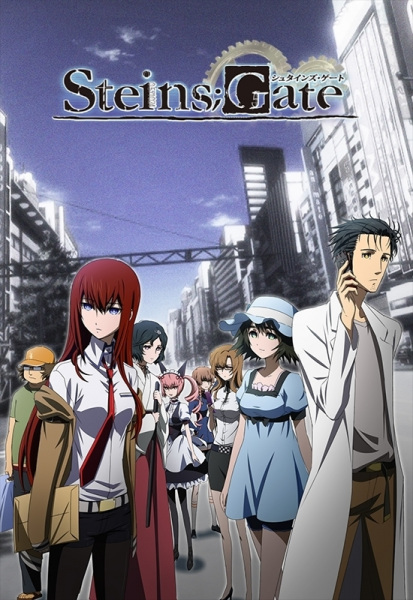 Steins;Gate8.8Seinen
The show interrogates the cost of playing god with time, the grief of undoing choices, and the crushing weight of being the only one who remembers, particularly in Okabe's arc of erasing timelines where people he loves cease to exist. The Kurisu-saving finale lands emotionally because it reframes the entire series around accepting that you cannot save everyone without sacrifice. It stops just short of the philosophical depth of the genre's heaviest hitters, prioritizing emotional catharsis over sustained ambiguity.
- 21
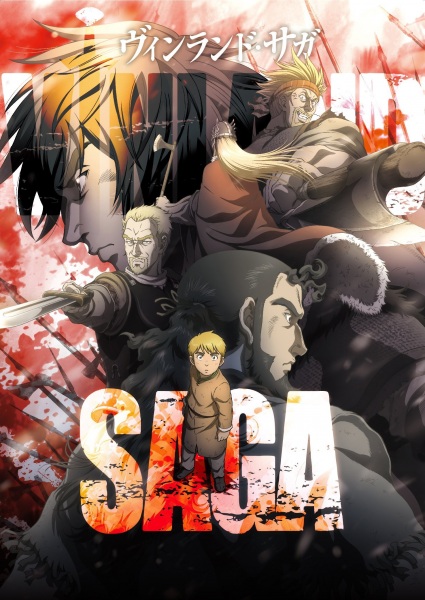 Vinland Saga8.8Seinen
The series interrogates the cycle of violence and the emptiness of revenge with unusual rigor, embodied in Thors's pacifist creed 'you have no enemies' echoing hollowly across a world built on slaughter. The Canute-Willibald debate about love, death, and Eden gives the show philosophical heft rare even in seinen. Its emotional resonance peaks when Thorfinn's life-defining goal evaporates with Askeladd's death, leaving a purposeful void—though the thematic payoff is deferred to later seasons.
- 22
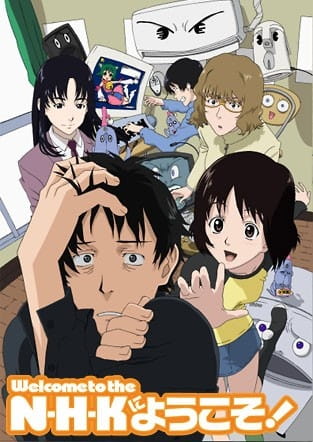 Seinen
The show treats hikikomori culture, NEET despair, internet addiction, MMO escapism, and suicidal ideation with a candor rare even in seinen, refusing easy uplift. The galge-creation arc and the offline-meeting suicide pact land with genuine emotional weight because the comedy never fully shields the audience from how grim the underlying material is. It occasionally tips into didacticism, but the empathy is real.
- 23
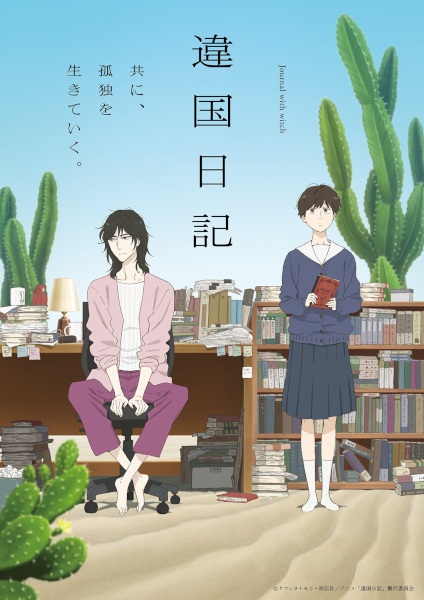 Josei
JoseiThe show's insistence that complicated, even relieved feelings about a dead relative are 'valid' is handled with rare honesty for the genre, and the diary motif literalizes the theme of narrating one's own grief without imposing closure. The parallel between Makio's novel-writing and Asa's journaling lands emotionally in the finale's quiet read-aloud scene. It occasionally over-articulates its message through dialogue when the visual storytelling already conveyed it.
- 24
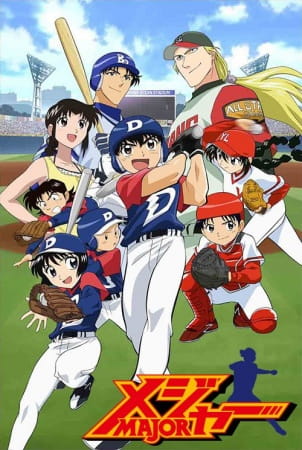 Major8.7Shonen
The central theme of carrying forward a parent's unfinished dream, and the cost of obsession, is handled with maturity well above genre norms; Shigeharu's death is not cheap melodrama but the engine of Gorou's entire identity. The show meditates on perseverance through injury and loss in a way that mirrors father and son across generations. It occasionally leans sentimental, but the emotional resonance of the early Honda family material is genuinely affecting.
- 25
 Seinen
The show's central theme — that loving again does not betray the dead — is handled with rare delicacy through Kyoko's relationship to Soichiro's memory and his dog. It also quietly examines social anxieties around age gaps, widowhood, and economic precarity in 1980s Japan. The emotional resonance peaks not in grand gestures but in small reconciliations, like the rooftop confessions and Kyoko finally calling Godai by name.