The 10 Most Emotionally Resonant Anime, Ranked by the Anime Codex Themes Axis
Most "best anime" lists rank by overall vibe. This one isolates a single axis — themes & emotional resonance — and lets the rubric pick the winners.
Most "best anime" lists rank by overall vibe. This one isolates a single axis — themes & emotional resonance — and lets the rubric pick the winners.
A 9.5 on themes and emotional resonance is rarer in the Codex database than a 9.5 on animation, because animation can be bought with budget and themes cannot. The list below sets aside total Codex score and ranks only on that single criterion. Two shows tie at the top. Eight more clear 9.0. The order that follows is the rubric's, not a mood board's.
The Consensus Problem
Aggregator rankings — MyAnimeList in particular — collapse six different things into one number and call it taste. A 9.26 on MAL tells you a show is beloved; it doesn't tell you whether it's beloved for its fights, its fidelity to source, or its capacity to make a viewer reconsider mortality on a Tuesday. The Anime Codex rubric exists precisely to disaggregate that, and the methodology post lays out the weights. Themes & emotional resonance is the axis most often inflated by overall affection and most often deflated by genre prejudice. Isolating it produces a list that looks nothing like the MAL top 20 — and that's the point.
The Top Tier: 9.5
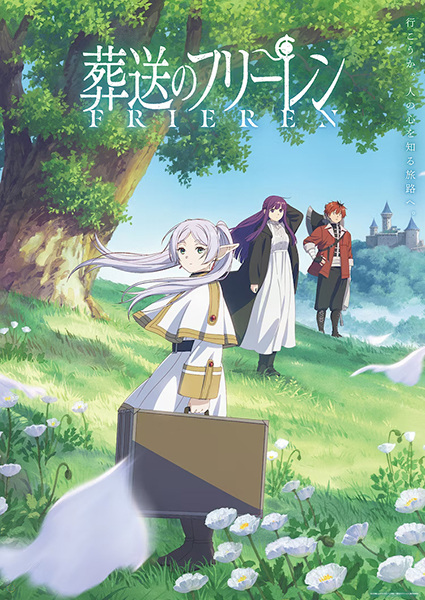
1. Frieren: Beyond Journey's End — themes 9.5 (Codex 9.03)
Madhouse's 28-episode 2023 adaptation earns its 9.5 on themes by being the first major fantasy anime in a decade to take grief seriously as a structural device rather than a plot beat. The premise — an elf reckoning with the deaths of mortal companions she failed to know — is operationalized through episode pacing that refuses catharsis. The first-exam arc is the test case: Frieren learns to value Fern and Stark not through montage but through the accumulation of small, repeated inconveniences. The Codex 9.03 overall is dragged by a comparatively thin 8.0 on world-building, as the longer Frieren review details, but the themes score is unhedged.
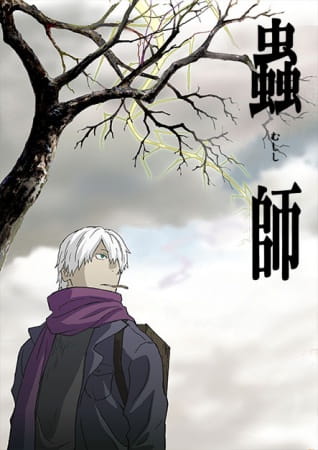
2. Mushishi — themes 9.5 (Codex 8.68)
Artland's 2005 26-episode run is the cleanest expression of episodic thematic discipline in the medium. Every Ginko vignette is a parable about coexistence with phenomena that predate human ethics, and Yuto Kaneko's direction refuses to resolve them into morality. The MAL 8.65 understates what the Codex captures: a 9.5 on themes paired with a 9.5 on world-building, dragged to 8.68 overall by a 7.5 on character — because Ginko, by design, refuses to change. That's the cost of the show's thematic purity, not a flaw.
The 9.3–9.4 Tier
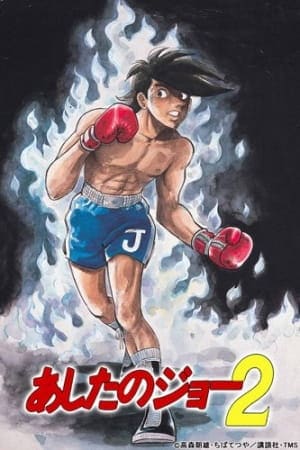
3. Ashita no Joe — themes 9.4 (Codex 9.02)
The 1980 Tokyo Movie Shinsha continuation, 47 episodes under Osamu Dezaki, is the reason the Codex still treats Joe as mandatory. Themes scores 9.4 because the show fuses class politics, self-annihilation, and post-war Japanese masculinity into a single boxing narrative that ends on the most thematically loaded final frame in the medium. The 9.8 cultural-impact score is downstream of the themes work, not separate from it. Joe Yabuki burning out white is not a metaphor the show explains.
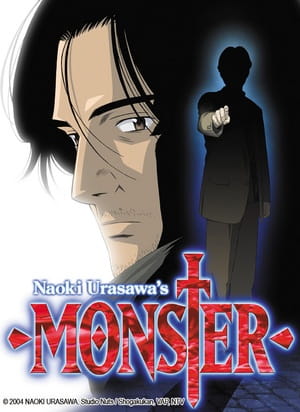
4. Monster — themes 9.3 (Codex 9.24)
Madhouse's 74-episode 2004 adaptation of Urasawa scores 9.3 on themes by sustaining a single ethical question — is it justifiable to kill one person to save many — across a runtime that would defeat most thrillers. The longer Monster verdict tracks how Tenma's moral arc resists the genre's usual collapse into vengeance. The 9.7 character score is what pushes Monster to a Codex 9.24, but the themes work is what makes the character score possible.
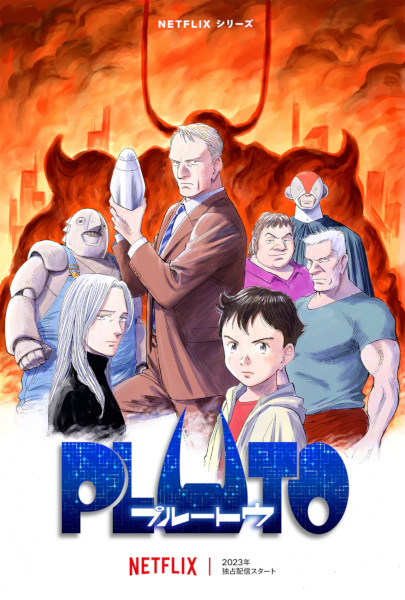
5. Pluto — themes 9.3 (Codex 8.96)
Studio M2's 8-episode 2023 adaptation compresses Urasawa's manga without losing the thematic spine: that artificial consciousness, once capable of grief, is morally indistinguishable from human consciousness. North No. 2's arc with Paul Duncan is the cleanest single hour of thematic writing in 2023 television, full stop. The Codex placement of Pluto on the seinen map explains why the 8.96 reflects production constraints, not thematic ones.
The 9.2 Tier
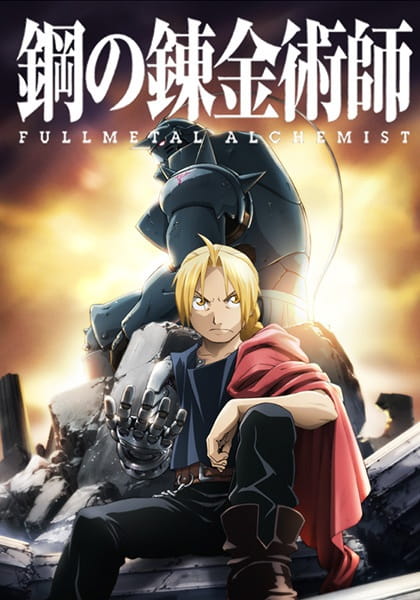
6. Fullmetal Alchemist: Brotherhood — themes 9.2 (Codex 9.25)
Bones' 64-episode 2009 run earns 9.2 because Arakawa's equivalent-exchange thesis is metabolized at every level of the narrative, from Nina Tucker to the Promised Day. The case for Brotherhood as underrated rests on this — the show's MAL 9.11 reads it as a great shonen when it's actually a structurally rigorous moral argument that happens to be shonen.
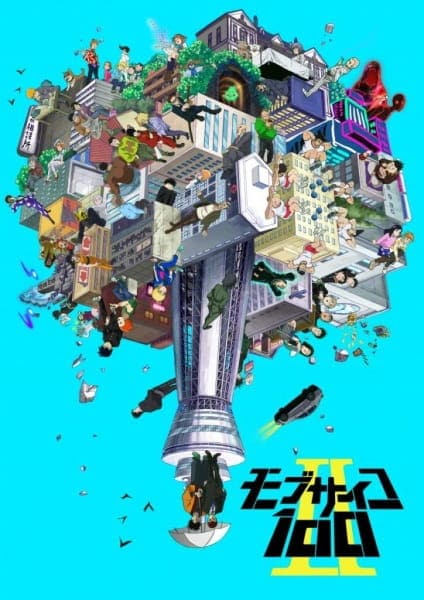
7. Mob Psycho 100 — themes 9.2 (Codex 9.05)
Bones' 2019 13-episode second season is where ONE's thesis — that psychic power is morally inert and what matters is the work of becoming a person — actually lands. The Mogami arc is the rubric's evidence. The longer breakdown of Mob's second-season coordinates traces how Yuzuru Tachikawa's direction makes the thematic argument visible without dialoguing it.
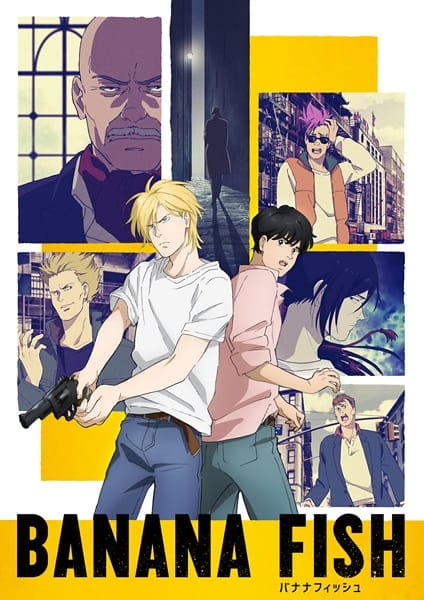
8. Banana Fish — themes 9.2 (Codex 8.70)
MAPPA's 24-episode 2018 adaptation of Yoshida's shoujo earns 9.2 on themes despite an 8.5 on story, because the show's interrogation of cyclical abuse, queer love under threat, and American institutional rot is unflinching in a way the genre rarely permits. The final episode is not a tragedy because Ash dies; it's a tragedy because the show has spent 23 episodes earning the claim that he was never going to be allowed to live.
The 9.0 Tier
9. Hunter × Hunter (2011) — themes 9.0 (Codex 9.23)
Madhouse's 148-episode run scores 9.0 because Chimera Ant alone — Meruem and Komugi, the rose, Gon's transformation — does more thematic work than most seinen accomplish in full. The Codex argument that HxH is misfiled rather than underrated hinges on this: Togashi's world-building (9.5) is what people praise, but his thematic ambition in the back half is what earns the overall 9.23.
10. NANA — themes 9.0 (Codex 8.74)
Madhouse's 47-episode 2006 adaptation of Yazawa lands at 9.0 because the show's argument about ambition, dependency, and the impossibility of platonic intimacy between two women named Nana is sustained without resolution for the entire runtime. The 7.8 animation score is the ceiling on the Codex 8.74. The themes ceiling is somewhere the production couldn't reach.
The Strongest Counter-Argument
The obvious objection: themes & emotional resonance is the most subjective criterion in the rubric, and isolating it privileges shows that prioritize tone over event. A list without Code Geass, without Steins;Gate, without Your Lie in April reads as a quiet bias against melodrama in favor of restraint. Fair. The rubric does reward thematic discipline over thematic volume — a show that argues a position and sustains it scores higher than one that delivers a single devastating episode. Banana Fish is on this list precisely because it argues; Your Lie in April is not because it emotes. That's a defensible criterion, not a neutral one. The rubric is opinionated by design.
Verdict
Frieren and Mushishi share the ceiling because both refuse to dramatize what they're about — they let the viewer arrive at it. The rest of the list moves from there toward shows that argue more loudly, never more clearly. The most emotionally resonant anime are not the ones that make you cry hardest. They're the ones whose theses survive the runtime.
Featured in the Codex
More from The Codex
The Seven Deadly Sins Is a 6.60 Wearing a 7.60 Costume: A One-Point Gap Earned by Groping Gags and Convenient Flashbacks
The Seven Deadly Sins scores 6.60 on the Codex against MyAnimeList's 7.60 because the crowd is grading a Netflix breakout and a Ban-and-King friendship, not the 24 episodes A-1 Pictures actually broadcast in 2014.
The 10.0 That Built a Sunday: How Sazae-san's Cultural Score Carries a 6.58 Scorecard
Sazae-san is a case study in how a single criterion — cultural — can define how a show is remembered, and the 10.0 the Codex hands Eiken's 1969 institution is doing every bit of the heavy lifting its other five scores refuse to.
The Sebastian Problem: Why Black Butler Sits 1.10 Below Its MAL Line and the Crowd Refuses to Notice
Black Butler (Kuroshitsuji) posts a 1.10-point gap between MyAnimeList's 7.65 and the Codex 6.55 because the crowd is grading Sebastian's silhouette and a Phantomhive aesthetic, not the anime-original finale A-1 Pictures actually shipped in 2009.
Discussion
Set a display name above to post.
Loading discussion…