Anime Like Death Note: 5 the Codex Rubric Says You'll Actually Love
Fans of Death Note respond to its strongest criteria — story, animation, cultural weight, character — and these five picks deliver the same qualities, ranked by how close their critical profile sits to it, not by vibes.
Fans of Death Note respond to its strongest criteria — story, animation, cultural weight, character — and these five picks deliver the same qualities, ranked by how close their critical profile sits to it, not by vibes.
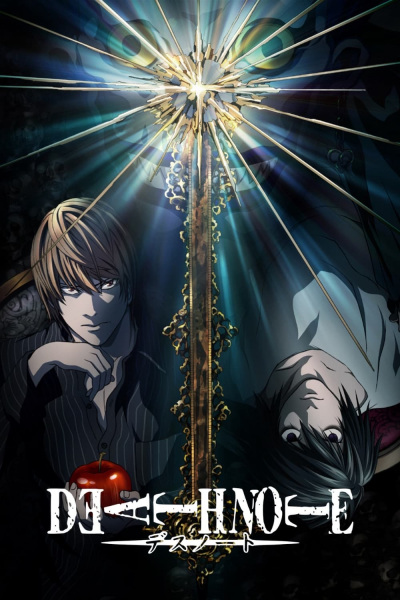
The reason Death Note still works in 2024 isn't the notebook. It's that Tetsuro Araki and Madhouse turned a kid eating a potato chip into operatic theatre, and Tsugumi Ooba spent the Yotsuba arc building a logic puzzle that survives rewatching even after you know who wins. When people ask for anime like Death Note, they're almost never asking for "supernatural notebook" — they're asking for that specific cocktail of high-IQ plotting, magnetic antagonism, and direction that treats a conversation between two seated men as the climax of an aria.
What the rubric says Death Note is actually doing
The catalogue puts Death Note at a Codex 8.28 (MyAnimeList 8.62, Madhouse, 37 episodes), and the breakdown tells you exactly where its gravity lives. Story is 8.5, anchored by the handcuff arc and the false-rule gambit that lets Light manipulate Rem into killing L. Character is 8.3, almost entirely on Light and L — Misa is plot scaffolding, Near and Mello are pale substitutes, and the show knows it. Animation is 8.5, with Araki framing apples like sacraments and Hideki Taniuchi's score turning deductions into setpieces. Cultural impact is a 9.5, the highest mark in the breakdown, and the reason Death Note remains the default first recommendation for newcomers two decades later.
The common mistake — visible in any "anime like Death Note" thread, and reinforced by MAL's recommendation engine — is to chase the premise. Supernatural notebook. Psychological battle. Detective vs. killer. That logic gets you to Code Geass and stops thinking. The rubric reads the show differently: what carries Death Note is plot ingenuity expressed through staging, plus one corrupted protagonist worth two seasons of monologue. Match those criteria — not the genre tag — and the recommendations sort themselves. The list below is ordered by how close each show's critical profile sits to Death Note's, not by how loudly Reddit yells about them.
1. The Promised Neverland — the cleanest plot-ingenuity match
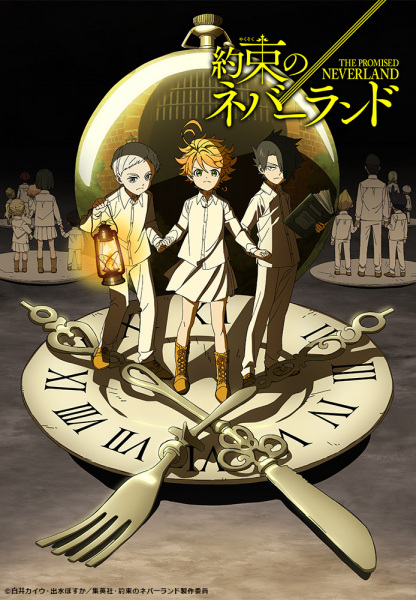
The Promised Neverland sits at Codex 8.18 (MAL 8.47, CloverWorks, 12 episodes), and its scorecard is almost a Death Note inversion: story 8.8, themes 8.2, animation 8.3, character 8.0. The first season is the closest anime has come to replicating Death Note's specific pleasure — a closed-room intelligence contest where the rules are revealed in stages and every episode tightens the trap by one notch. Emma, Norman, and Ray running tag-counting drills against Isabella is structurally the Yotsuba arc with children: false leads, planted information, the antagonist who is always two steps ahead until she suddenly isn't.
The animation score is doing similar work to Madhouse's on Death Note — CloverWorks uses overhead shots and predatory framing to make a farmhouse feel like a chessboard. Ignore the existence of season two. The rubric does.
2. Tomodachi Game — the same engine, smaller budget
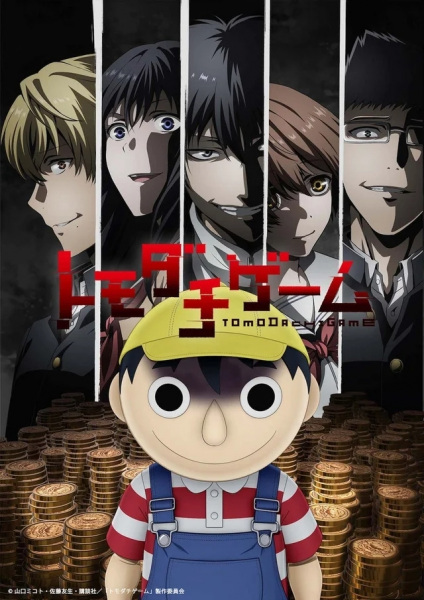
Tomodachi Game lands at Codex 6.44 (MAL 7.71, Okuruto Noboru, 12 episodes), and the numbers tell you the trade honestly: story 6.8, character 6.5, themes 6.7, animation 5.8. This is what Death Note looks like without Araki and without Madhouse — the puzzle architecture intact, the visual ambition gone. Yuichi Katagiri's flip from earnest friend-group anchor to manipulator working three layers deep is the closest any recent show has come to Light's "I am justice" register, and the kuji-biki game in episode one is a deduction setpiece that would have made L sit upright.
Recommend it on the story criterion, knowing the 5.8 animation is the tax. If you watched Death Note for the plotting and tolerated the post-L drop, you already know how to make that trade.
3. Beastars — the character-and-themes inheritor
Beastars sits at Codex 7.85 (MAL 7.78, Orange, 12 episodes), and its strongest axes — character 8.5, themes 8.0, world 8.0 — map onto the part of Death Note that isn't the cat-and-mouse. Legoshi is Light photographed from the opposite angle: a protagonist whose nature pulls him toward something monstrous and who spends the show negotiating with that pull instead of surrendering to it. The Cherryton drama club arc and the Louis storyline give the show a moral seriousness that Death Note's 8.0 themes score reaches for in the Ryuk coda.
Orange's CG, which the discourse loves to dismiss, is doing exactly what Madhouse did for Death Note: using direction (here, body language and predator-prey blocking) to elevate dialogue scenes into something stylised. If you want to keep reading on what character writing scores actually reward, the character-axis rankings put shows like this in useful context.
4. Mob Psycho 100 — the animation-and-character ceiling
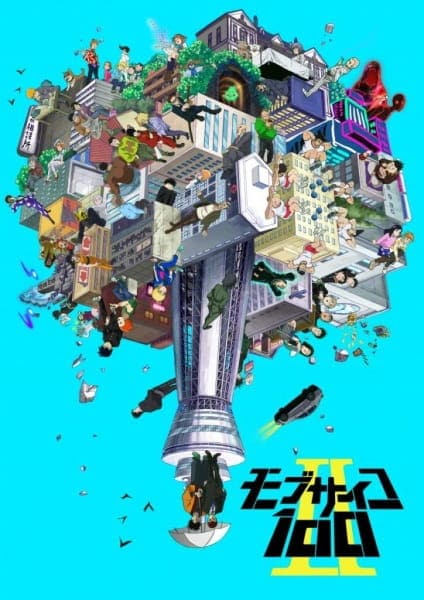
Mob Psycho 100 is a Codex 9.05 (MAL 8.78, Bones, 13 episodes — attributing to the season two entry), with character at 9.7, animation at 9.5, themes at 9.2, story at 9.0. That's the highest character score on this list, and the recommendation logic is specific: if what you loved about Death Note was watching a protagonist's interior life made visible through directorial choice — the apple, the chip, the laugh — Mob Psycho is the same instinct pushed to its limit. Yuzuru Tachikawa and the Bones animator roster treat Mob's emotional thresholds the way Araki treated Light's victories, except where Araki reached for Caravaggio, they reach for paint, chalk, and rotoscope.
It's also the rare case where the recommendation outscores the source. The Mob Psycho 100 review lays out where the 9.05 actually comes from. If Death Note's animation 8.5 is what hooked you, this is the next rung up.
5. Bleach — the cultural-impact pick
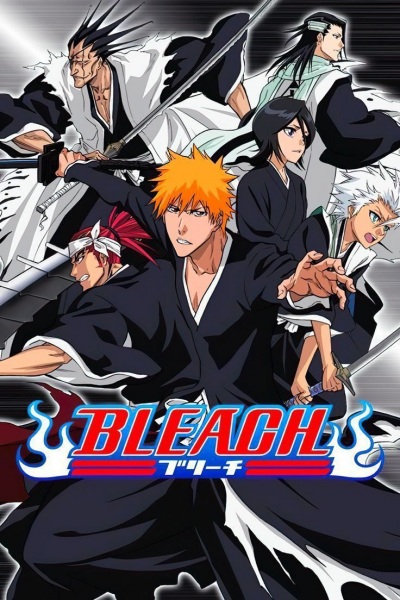
Bleach lands at Codex 6.55 (MAL 8.00, Studio Pierrot, 366 episodes), with story 6.5 and character 6.0. The rubric is not kind, and it shouldn't be — Pierrot's original run is padded, structurally repetitive, and animated unevenly across a decade. The recommendation is specifically for the criterion Death Note scores 9.5 on: cultural footprint. Soul Society and the Espada arc are Death Note's contemporaries in the 2000s shonen export wave, and Aizen's reveal at the end of Soul Society is one of the few "Light writes the rule on the inside of his watch" tier antagonist beats the era produced.
Recommend it knowing what it is: a 6.55 with a small number of very tall peaks.
The counter-argument: "Just watch Code Geass"
The standard objection to any Death Note recommendation list is that Code Geass is the obvious answer and its absence is malpractice. Fair. The premise overlap is undeniable, and Lelouch is the most-cited Light analogue in the medium. The Codex doesn't dispute the comparison — it disputes that premise overlap is the right matching criterion. This list is built on the criteria Death Note actually wins on: plot ingenuity (Promised Neverland, Tomodachi Game), character-as-direction (Mob Psycho), thematic seriousness around moral corruption (Beastars), and cultural footprint among 2000s shonen exports (Bleach). A premise-first list is the one MAL already generates. The rubric exists to do something else.
Death Note is 8.28 because two criteria carry it and one criterion — cultural — props the weighted average. Recommend on the carrying criteria, not the prop. These five do that, in this order, and the spreadsheet is the argument.
Featured in the Codex

More from The Codex
The Seven Deadly Sins Is a 6.60 Wearing a 7.60 Costume: A One-Point Gap Earned by Groping Gags and Convenient Flashbacks
The Seven Deadly Sins scores 6.60 on the Codex against MyAnimeList's 7.60 because the crowd is grading a Netflix breakout and a Ban-and-King friendship, not the 24 episodes A-1 Pictures actually broadcast in 2014.
The 10.0 That Built a Sunday: How Sazae-san's Cultural Score Carries a 6.58 Scorecard
Sazae-san is a case study in how a single criterion — cultural — can define how a show is remembered, and the 10.0 the Codex hands Eiken's 1969 institution is doing every bit of the heavy lifting its other five scores refuse to.
The Sebastian Problem: Why Black Butler Sits 1.10 Below Its MAL Line and the Crowd Refuses to Notice
Black Butler (Kuroshitsuji) posts a 1.10-point gap between MyAnimeList's 7.65 and the Codex 6.55 because the crowd is grading Sebastian's silhouette and a Phantomhive aesthetic, not the anime-original finale A-1 Pictures actually shipped in 2009.
Discussion
Set a display name above to post.
Loading discussion…