The 10 Most Influential Anime Ever Made, Ranked by Cultural Impact Alone
Most "best anime" lists rank by overall vibe. This one isolates a single axis — cultural impact — and lets the rubric pick the winners.
Most "best anime" lists rank by overall vibe. This one isolates a single axis — cultural impact — and lets the rubric pick the winners.
The most influential anime in history is not the best-written one, and the gap between those two facts is where most ranked lists collapse. A show can score a 6.58 on the Codex rubric and still have aired continuously since 1969. A film with a 7.5 story score can still be the reason a generation of Western directors picked up storyboards. Cultural impact is its own axis, and treated as one, it produces a list that looks almost nothing like the consensus top ten.
Why This List Looks Wrong at First Glance
Most "most influential anime" rankings are overall-score rankings wearing a different hat. They take the MyAnimeList top 50, reshuffle it slightly, and call the result a history. That is how Steins;Gate ends up on cultural-impact lists above Astro Boy, which is absurd on its face. The Codex rubric weights six criteria — story, character, themes, world-building, animation, cultural impact — and publishes each independently. Isolate the cultural axis and the rankings reorder violently. Sazae-san, a kodomomuke comedy with a 6.16 on MAL, lands in the top three. Naruto, with a Codex score of 7.28, lands ahead of dozens of shows that outscore it on every other criterion. This is the correct outcome. Cultural impact measures what a work did to the medium, the industry, and the audience outside it — not how it reads on a Saturday rewatch. The Codex method post lays out the weighting in full; what follows is what happens when you let one criterion run the table.
The Three 10.0s: Foundational Works the Medium Cannot Unsee
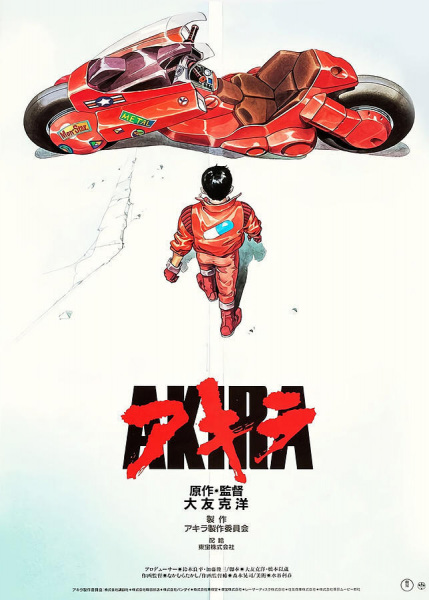
Akira earns a perfect 10.0 on cultural impact and a 7.98 overall — a gap of more than two points that tells the whole story. Katsuhiro Otomo's 1988 Tokyo Movie Shinsha production is the single film most responsible for the Western critical reception of anime as an art form rather than a children's curiosity. The animation score of 9.8 is the second pillar: 327 colors mixed specifically for the film, hand-drawn neon Neo-Tokyo, mouth movements synced to pre-recorded dialogue at a time when the industry universally did the opposite. Story (7.5) and character (7.0) are honestly mid-tier — the film compresses six volumes of manga into 124 minutes and it shows — but the cultural axis does not care. The Matrix, Stranger Things, Kanye West's "Stronger" video, every cyberpunk frame since 1988: that is what a 10.0 looks like.
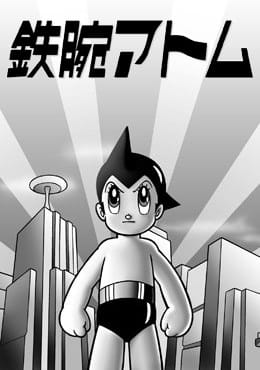
Astro Boy (1963, Mushi Production, 193 episodes) scores 6.87 overall and 10.0 on cultural impact because Tezuka's series is, functionally, the reason a domestic Japanese TV anime industry exists. The limited-animation techniques Mushi developed under brutal budget constraints — held cels, three-frame mouth flaps, stock loops — became the grammar every studio after them inherited. The animation score of 5.5 reflects what that grammar actually looks like on screen in 1963. The cultural 10.0 reflects that without this show, the next sixty years of the medium happen differently or not at all.
Sazae-san is the strangest entry on the list and the one that most clearly demonstrates why isolating the axis matters. Eiken's adaptation has aired weekly since 1969. It scores 6.58 overall, with a 5.0 on animation that is being generous, and a 10.0 on cultural impact that is not. The show is a Sunday-evening institution on Fuji TV, a Guinness record holder for longest-running animated series, and a piece of postwar Japanese domestic memory that no other anime touches. Cultural impact is not "influenced other anime." It is also "embedded in the culture that produced anime." Sazae-san is the cleanest case of the latter.
The 9.8s: Mass-Market Penetration and Genre-Defining Tragedy
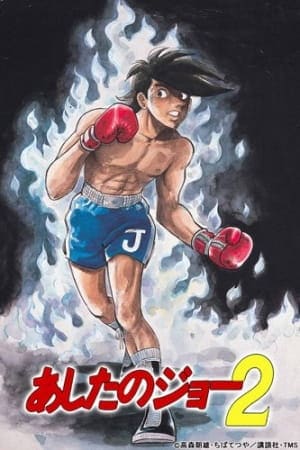
Ashita no Joe at 9.02 overall and 9.8 on cultural impact is the rare entry where the cultural score and the artistic score nearly align. The 1980 Tokyo Movie Shinsha run (47 episodes, the Dezaki-directed extension of the 1970 original) produced the funeral scene for Tooru Rikiishi that fans actually held in real life — a public Buddhist service in Kodansha's offices, attended by hundreds. The character score of 9.5 and themes score of 9.4 explain why the cultural impact is what it is: Joe Yabuki is the template every burnt-out shonen protagonist since has worked from. The full Codex verdict on Ashita no Joe treats the show as mandatory medium-history viewing; the 9.8 here is the same argument compressed.
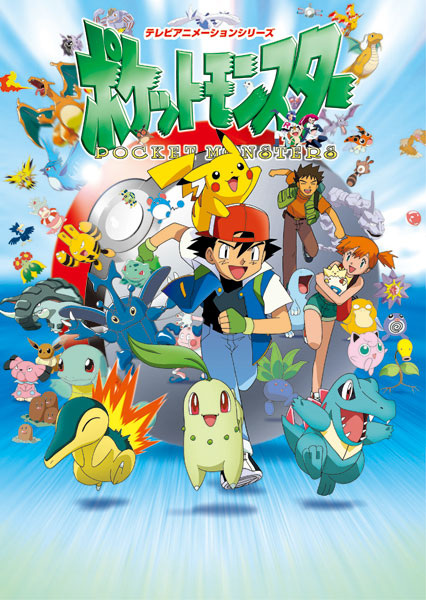
Pokémon (1997, OLM, 276 episodes for the original Indigo League run) scores 7.02 overall and 9.8 on cultural impact, and the gap is the entire point. Story (6.5), character (6.8), themes (6.7) are kodomomuke baseline. Cultural impact is a global merchandising and broadcast phenomenon that put anime on American afternoon TV, broke trademark and toy-licensing records, and gave a non-Japanese generation its first sustained exposure to the medium's visual language. The rubric does not reward this because the show is good. It rewards it because the show changed who watches anime.
The 9.5s: The Modern Canon's Backbone
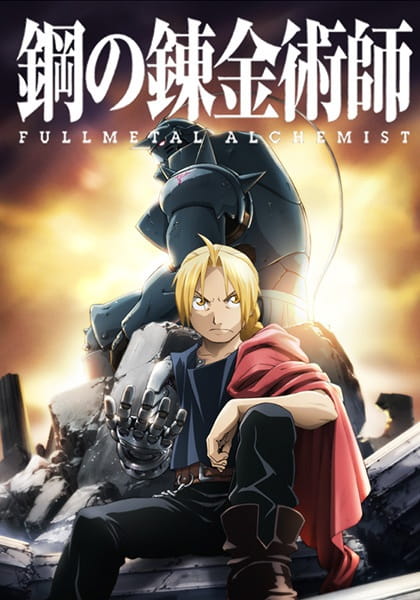
Fullmetal Alchemist: Brotherhood (2009, Bones, 64 episodes) sits at 9.25 overall and 9.5 cultural — the rare modern title where the cultural score is the lowest of the six criteria justifications. Story (9.5), character (9.4), themes (9.2) all outrank it. Brotherhood's cultural impact is real but specific: it is the show that anchored MyAnimeList's top spot for a decade and became the default recommendation for non-anime viewers entering the medium. The case for treating Brotherhood as underrated even at the top of MAL goes deeper, but the 9.5 here is straightforward: it is the gateway adaptation of the 2010s.
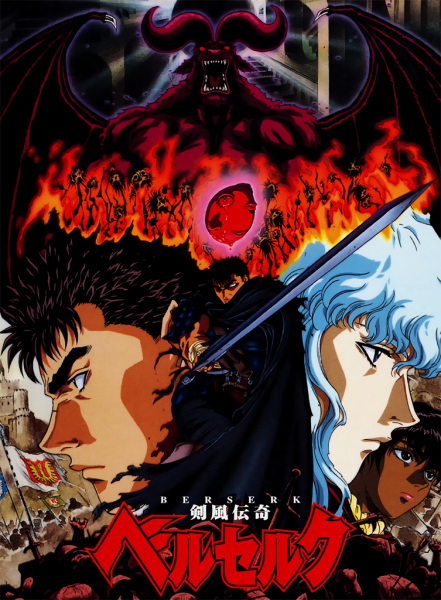
Berserk (1997, OLM, 25 episodes) scores 8.53 overall and 9.5 cultural. The animation score of 6.5 is honest about what 1997 OLM TV production looks like; the cultural score reflects the Golden Age arc's status as the single most-referenced dark-fantasy text in anime and manga. Every grimdark seinen since — Vinland Saga, Vagabond, half of Dark Souls — works in Miura's shadow. The 1997 adaptation is the version that exported that shadow.
Attack on Titan (2013, Wit Studio, 25 episodes for the first season) scores 8.18 overall and 9.5 cultural. Season 1 is the last anime to break out of the medium's bubble at scale — the show that put titans on American magazine covers and reset what a shonen could look and feel like. The character score of 7.0 is a problem the show never solved, and the argument that Eren should have died in Shiganshina addresses the back half. The cultural 9.5 is for the first season's blast radius alone.
Slam Dunk (1993, Toei Animation, 101 episodes) scores 8.12 overall and 9.5 cultural. The animation score of 6.8 is Toei TV-budget basketball — limited, often static, occasionally great. The cultural 9.5 is for a generation of Japanese kids picking up basketball because of Hanamichi Sakuragi, for the show's foundational influence on every sports anime that followed, and for an export footprint across East Asia that few titles match.
Naruto (2007, Studio Pierrot, 500 episodes — the Shippuden run) closes the list at 7.28 overall and 9.5 cultural. Story (6.8) and animation (6.5) are mediocre by the standards of the criterion. The cultural score reflects what Naruto did to the global shonen audience in the late 2000s and 2010s: the single largest gateway property of its generation, the show that made the Big Three the Big Three, the title whose hand seals every Western kid learned before they could spell Konoha.
The Obvious Objection: Where Is Dragon Ball? Where Is Sailor Moon?
The strongest argument against this list is that Dragon Ball Z built the shonen formula every entry from Naruto down inherits, and that Sailor Moon did for magical girls what Astro Boy did for the medium as a whole. Both are defensible omissions only because the Codex rubric grades specific entries, not franchises. Dragon Ball Z's individual season scores have not yet cleared the cultural threshold of the entries above — its impact is real but distributed across multiple Codex pages. Sailor Moon faces the same accounting problem. The rubric is a per-entry instrument; franchise-level influence does not aggregate automatically. That is a known limitation, not a hidden one.
Verdict
Ranked by cultural impact alone, the top of the medium is older, weirder, and less prestige-coded than any overall list will admit. Three perfect 10.0s, all from before 1990, none of them in the Codex top fifty overall. That is what isolating a single axis produces, and that is what the axis is for.
Featured in the Codex


More from The Codex
The Seven Deadly Sins Is a 6.60 Wearing a 7.60 Costume: A One-Point Gap Earned by Groping Gags and Convenient Flashbacks
The Seven Deadly Sins scores 6.60 on the Codex against MyAnimeList's 7.60 because the crowd is grading a Netflix breakout and a Ban-and-King friendship, not the 24 episodes A-1 Pictures actually broadcast in 2014.
The 10.0 That Built a Sunday: How Sazae-san's Cultural Score Carries a 6.58 Scorecard
Sazae-san is a case study in how a single criterion — cultural — can define how a show is remembered, and the 10.0 the Codex hands Eiken's 1969 institution is doing every bit of the heavy lifting its other five scores refuse to.
The Sebastian Problem: Why Black Butler Sits 1.10 Below Its MAL Line and the Crowd Refuses to Notice
Black Butler (Kuroshitsuji) posts a 1.10-point gap between MyAnimeList's 7.65 and the Codex 6.55 because the crowd is grading Sebastian's silhouette and a Phantomhive aesthetic, not the anime-original finale A-1 Pictures actually shipped in 2009.
Discussion
Set a display name above to post.
Loading discussion…