Is Kaiju No. 8 Overrated? A 6.82 That Rides Kafka's Age and Production I.G's Polish Into Numbers the Selection-Test Arc Won't Actually Earn
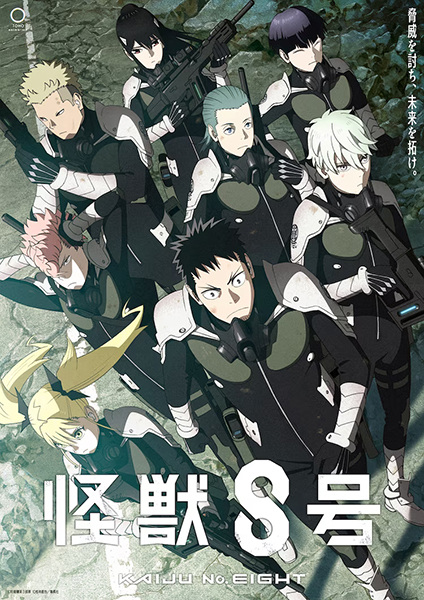
Kaiju No. 8 posts a 1.39-point gap between MyAnimeList's 8.21 and the Codex 6.82 because the crowd is grading a premise and a transformation cut, not the twelve episodes Production I.G actually shipped around them.
Kaiju No. 8 posts a 1.39-point gap between MyAnimeList's 8.21 and the Codex 6.82 because the crowd is grading a premise and a transformation cut, not the twelve episodes Production I.G actually shipped around them.
The gap between Kaiju No. 8's reputation and its rubric score is the story. A 32-year-old failure inhaling a parasite and turning into the thing he sweeps off the pavement is one of the sharpest shonen premises of the decade — and by episode nine, that premise has been fed into a recruitment-exam meat grinder identical to twenty other shows on the shelf. Name what the crowd is rewarding that the rubric won't, and the 8.21 stops being a mystery.
The Consensus Is Grading a Pilot, Not a Season
The MyAnimeList crowd scores it 8.21 across a swollen member base, and the AniList community lands at 81/100. That number is not dishonest — it reflects real reach, real anticipation, and the fact that Shonen Jump+ has never had a bigger digital-native breakout in translation. But an 8.21 is Vinland Saga territory. It is Mob Psycho territory. Kaiju No. 8, in its first cour, is not doing what those shows do; it is doing what the median Jump adaptation does, at a higher gloss level, with a better hook.
The Codex 6.82 is a shonen-weighted composite, and the mismatch is not spread evenly across the criteria. It's concentrated in three places: story, themes, and character. The crowd is grading the premise inversion and the OP as if they were the show. They are not the show. The show is twelve episodes of Production I.G execution that ends mid-arc, and the rubric grades what shipped.
The Selection-Test Arc Is Where the Premise Dies
The first two episodes of Kaiju No. 8 do something genuinely rare: they mine pathos from a 32-year-old cleanup worker whose dream has calcified into resignation. Kafka Hibino's late-blooming ambition, his self-deprecation around Reno, the specific humiliation of scrubbing kaiju guts while his childhood friend commands the Third Division — this is a shonen premise that has actually thought about failure as a lived condition rather than a training-arc obstacle.
Then the Defense Force selection test begins, and the show forgets what it was. The story score sits at 6.8 because once the recruitment-exam beats arrive — the timed trials, the prodigy rival, the base-assault set piece — Kaiju No. 8 becomes structurally indistinguishable from any half-decent Jump property of the last fifteen years. The very tropes the premise was positioned to subvert become the load-bearing walls of the second half. Kikoru Shinomiya is a well-drawn prodigy, but she is a prodigy; the exam is a genre exam; the ranked antagonists arrive on schedule. The season then ends with the Kafka-identity tension only partially resolved, a first cour that resolves as a setup document rather than a story.
This is the same structural failure the Codex catalogues in Tokyo Ghoul's twelve-episode compression and in Erased's collapsed final act — a premise that promises a specific critical experience and a production that reverts to genre mean.
The Themes Score Is 6.3 Because the Metaphor Never Bites
The kaiju-as-self reading is right there. Kafka literally fights kaiju from inside a kaiju body. Ichirou Ookouchi's script — he composed the series and wrote the scripts through episode ten — sees the metaphor clearly, and Naoya Matsumoto's manga premise builds toward it deliberately. The 6.3 on themes is not a claim that the show has nothing to say. It's a claim that the show refuses to push what it has to say into any uncomfortable place.
The monster-in-the-man premise wants a horror register, or at least a moral one. Kaiju No. 8 stays warm. Kafka's secret is a workplace-comedy secret; his transformations are victory beats, not violations of a person. The dignity-of-late-ambition thread — worth is not bound by age or rank — is sincere and it does land, but the brisk pacing softens every emotional consequence before it can leave a mark. This is the difference between resonance and rooting interest, and the rubric grades the former.
The 7.8 on Animation Is What the Crowd Is Actually Scoring
Production I.G's kaiju have weight. The CG integration is polished, the impact frames land, and the Kafka transformation sequences are legitimate highlights. Soshiro Hoshina's dual-blade choreography is the best sustained action in the season — clean silhouettes, readable spacing, a swordplay grammar the studio has been refining since it started animating swords. Shinji Kimura's art direction gives the urban destruction real material specificity. The Yungblud opening is a genuine piece of pop-craft.
None of this is in dispute. The 7.8 is the highest score on the sheet. It is also — and this is where the rubric departs from the crowd — a competent 7.8, not a visionary one. The direction is clean, the staging is legible, and neither one takes a real stylistic risk. This is the tier of animation you'd expect from Production I.G on a flagship property; it is not the tier that reinvents how a demographic looks. When MAL scores a show at 8.21, the animation criterion is doing most of the load-bearing work in that number. The Codex weights it, but not enough to carry the average past the story and theme drag.
The World Is a Great Idea Under-Excavated
The 6.7 on world-building is the criterion that most rewards the show's genuinely original instinct. The Defense Force as a bureaucratic, procedural, numbered-kaiju cleanup operation — combat suits rated by "unleashed" percentage, corpse disposal as a labor category — is a tokusatsu-meets-corporate framing that no other current shonen is doing. The Ultraman DNA Matsumoto has cited runs through it cleanly.
But the kaiju biology remains a black box, and the origin of Kafka's transformation — the mechanism of the parasite, the ecology of the numbered specimens — stays deliberately opaque across all twelve episodes. That opacity is a manga-pacing choice, not an anime-pacing virtue. What the season shipped is an appealing setting that hasn't been excavated. The rubric grades what was excavated.
The Steelman: The Crowd Isn't Wrong, It's Grading a Different Object
The honest opposing case is this: MyAnimeList's 8.21 is measuring a viewing experience, and the viewing experience of Kaiju No. 8 is genuinely enjoyable. Kafka is one of the most likable leads of 2024. The production is consistent. The hook is fresh even where the execution is not. If the question is "did people have a good time watching this," 8.21 is a fair number, and the 7.5 cultural score in the Codex breakdown — the same criterion that catches other breakout-hype titles — already credits the reach.
The rubric reads it differently because the rubric is not scoring the viewing experience. It's scoring six specific criteria against a shonen weighting, and three of those criteria — story, character at 6.5, themes at 6.3 — are measuring what the show actually does with the premise it set up. Kafka is a 7-tier lead trapped in a 6-tier structure. Mina, the emotional axis of Kafka's entire motivation, remains a distant ideal rather than a person across twelve episodes. That is a character-writing failure the crowd's score has no mechanism to register.
Verdict
Kaiju No. 8 is a good show with a great premise and a season that ends before it earns its own thesis. The 6.82 is not a dismissal — it's an accurate composite of a production whose animation and cultural footprint carry a story, character, and thematic execution that never move past setup. The 1.39-point gap to MAL is what happens when a fandom scores the pilot and the opening theme, and a rubric scores the cour.
Featured in the Codex



More from The Codex
The Seven Deadly Sins Is a 6.60 Wearing a 7.60 Costume: A One-Point Gap Earned by Groping Gags and Convenient Flashbacks
The Seven Deadly Sins scores 6.60 on the Codex against MyAnimeList's 7.60 because the crowd is grading a Netflix breakout and a Ban-and-King friendship, not the 24 episodes A-1 Pictures actually broadcast in 2014.
The 10.0 That Built a Sunday: How Sazae-san's Cultural Score Carries a 6.58 Scorecard
Sazae-san is a case study in how a single criterion — cultural — can define how a show is remembered, and the 10.0 the Codex hands Eiken's 1969 institution is doing every bit of the heavy lifting its other five scores refuse to.
The Sebastian Problem: Why Black Butler Sits 1.10 Below Its MAL Line and the Crowd Refuses to Notice
Black Butler (Kuroshitsuji) posts a 1.10-point gap between MyAnimeList's 7.65 and the Codex 6.55 because the crowd is grading Sebastian's silhouette and a Phantomhive aesthetic, not the anime-original finale A-1 Pictures actually shipped in 2009.
Discussion
Set a display name above to post.
Loading discussion…