The 8.5 That Made Yo-kai Watch a National Event: How One Cultural Score Carries a 6.63 Scorecard
Yo-kai Watch is a case study in how a single criterion — cultural — can define how a show is remembered, and OLM's 214-episode kodomomuke experiment is proof that a phenomenon can outrun its rubric without disowning it.
Yo-kai Watch is a case study in how a single criterion — cultural — can define how a show is remembered, and OLM's 214-episode kodomomuke experiment is proof that a phenomenon can outrun its rubric without disowning it.
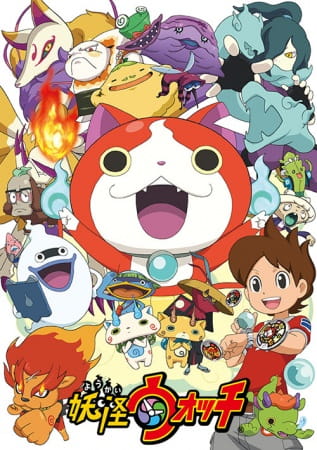
For eighteen months between 2014 and 2016, a lazy cat spirit hit by a truck outsold Pikachu. That is not a rhetorical flourish; that is a merchandising fact, and it is the single most important thing to understand about Yo-kai Watch before opening any conversation about whether the anime is any good. Level-5's franchise did not simply crack the kodomomuke market — it briefly seized it, and OLM's television adaptation was the delivery vehicle.
The Yo-kai Watch Cultural Case Is the Whole Argument
The MyAnimeList crowd scores it 6.80. Anime Codex scores it 6.63. On the surface those numbers look like agreement — a soft consensus that this is a middling children's show — but the agreement is deceptive, because MAL is averaging a general impression while the Codex is disaggregating six criteria and finding a scorecard that swings wildly. Story sits at 6.0. Character at 5.5. Themes at 6.0. And then, dislocated from the rest of the rubric by two full points, the Yo-kai Watch cultural score lands at 8.5. That is the entire story of this show, and any conversation that averages it back down into a single "it's fine" verdict is missing what actually happened in Japan.
The consensus position — that Yo-kai Watch was a fad, that its collapse in North America proves it was thin, that the 6.80 crowd number is roughly correct — engages the wrong question. The right question is what a cultural 8.5 buys a series that is otherwise, criterion by criterion, in the sixes.
What the 8.5 Actually Bought
The Yo-kai Taiso dance was ubiquitous in Japanese primary schools. The Gera Gera Po ending sequence — OLM's recurring CG dance hook — became a signature not because it was animated with particular ambition but because it was engineered as a participatory ritual, and children participated. The medal-collection mechanic that the anime dutifully services every episode translated the Pokemon impulse into something tied to actual Japanese folklore, which meant a child buying a Jibanyan medal in 2015 was buying into a lineage of yokai storytelling that predates the medium by centuries.
That is what a cultural 8.5 measures. Not that a show was popular, but that it briefly rearranged the commercial and social landscape of children's media in its home market. The Codex justification is blunt about this: rivaling and briefly outselling Pokemon in toy and game sales is a fact, not a fan claim, and the domestic cross-media dominance during the peak years was, in the rubric's own language, enormous and undeniable. This is the same criterion that lets Astro Boy's 10.0 cultural score carry a 6.87 scorecard — the recognition that some shows matter because of what they did, not only what they are.
The Scorecard Underneath, Honestly
Where the rubric turns critical, it turns critical for real reasons. The story score of 6.0 is not an insult to a kodomomuke property; it is an accurate reading of what 214 episodes of monster-of-the-week structure produces when the formula never evolves. Keita's problems — forgetfulness, embarrassment, insomnia externalized as Youkai influence — reset every week. There is no arc pressure. There is no serialized stake. For the target demographic this is a feature, and the Codex acknowledges it as such, but past that demographic the repetition is unrelenting.
Character at 5.5 is where the show gets exposed. Jibanyan is a genuinely funny creation — a cat spirit whose obsession with the idol group Next HarMeowny and whose serial failure to dodge trucks give him more comic identity than most side characters in a shonen ensemble. Whisper is a functional foil, bluffing his way through Youkai Pad exposition with the confidence of a butler who has read exactly the wrong page. But Keita himself is a deliberate blank, the everyboy avatar built to let the child at home slot into the watch. His growth is asserted, not dramatized. And the ever-expanding roster of befriended Youkai — Komasan, Robonyan, hundreds more — are design gags first and characters a distant second, because the roster exists to sell medals.
Where the Rubric Actually Warms Up
Two criteria push the scorecard toward respectability without carrying it. World-building lands at 7.5, and it earns that number honestly: repurposing traditional yokai folklore into a modern suburban setting is a genuinely clever premise, and the internal logic — invisible Youkai causing the visible everyday frustrations of a child's life — is consistent, inventive, and rich in punning design. Komasan's country-mouse arc, Robonyan's future-tech gag, the entire architecture of the Youkai Watch itself as a cultural machine for making folklore legible to seven-year-olds — this is real craft.
Animation at 7.0 is competent commercial TV work from OLM, the same studio the Codex has scrutinized elsewhere for Komi Can't Communicate's episodic gimmick parade. Storyboard credits to Takayuki Hamana and Shinji Ushiro, animation direction from Jouji Sawada — the show snaps through its slapstick beats with clean comic timing and never looks cheap, though it also never reaches. Backgrounds are limited. The ambition is commercial, not artistic. The CG dance sequences are effective because they are designed to be memorable, not because they are technically remarkable.
Themes at 6.0 does the show a small kindness by acknowledging what it gets right: the framework of naming small childhood frustrations as manageable outside forces is emotionally sound, and the beats around Jibanyan's lingering attachment to his former owner Amy carry more tenderness than the premise promises. The resonance stays light, though. It never reaches the emotional weight that the best children's series achieve, and pretending otherwise would be dishonest.
The Steelman: Kodomomuke Should Be Graded on Its Own Terms
The strongest version of the opposing case is that a 6.63 undersells the show because the Codex rubric imports adult-drama expectations into a genre that is deliberately designed for six-year-olds. Judge Yo-kai Watch against Ojarumaru or Doraemon and it holds up. Judge it against its actual audience — kids who danced to Gera Gera Po in schoolyards for two years running — and its story score is beside the point.
This is a real argument and it deserves a real answer. The rubric already accounts for it: the story justification explicitly notes that the episodic format suits the kodomomuke audience well, and the themes justification credits the age-appropriate emotional framework as sound. The 6.0s are not punishment for being a children's show. They are honest readings of what the show does within the kodomomuke lane, and they sit alongside a world-building 7.5 and an animation 7.0 and a cultural 8.5 that together push the aggregate to 6.63. The rubric is not hostile to the genre. It is measuring what is actually on screen.
Verdict
Yo-kai Watch earned its 8.5 for cultural the same way certain earthquakes earn their number — because something measurable happened, and the ground moved. That the rest of the scorecard settles into the sixes is not a betrayal of that moment; it is the honest accounting of what 214 episodes look like when the formula holds and the medals keep shipping. Neither a hit piece nor a puff piece — a 6.63, and a phenomenon.
Featured in the Codex


More from The Codex
The Seven Deadly Sins Is a 6.60 Wearing a 7.60 Costume: A One-Point Gap Earned by Groping Gags and Convenient Flashbacks
The Seven Deadly Sins scores 6.60 on the Codex against MyAnimeList's 7.60 because the crowd is grading a Netflix breakout and a Ban-and-King friendship, not the 24 episodes A-1 Pictures actually broadcast in 2014.
The 10.0 That Built a Sunday: How Sazae-san's Cultural Score Carries a 6.58 Scorecard
Sazae-san is a case study in how a single criterion — cultural — can define how a show is remembered, and the 10.0 the Codex hands Eiken's 1969 institution is doing every bit of the heavy lifting its other five scores refuse to.
The Sebastian Problem: Why Black Butler Sits 1.10 Below Its MAL Line and the Crowd Refuses to Notice
Black Butler (Kuroshitsuji) posts a 1.10-point gap between MyAnimeList's 7.65 and the Codex 6.55 because the crowd is grading Sebastian's silhouette and a Phantomhive aesthetic, not the anime-original finale A-1 Pictures actually shipped in 2009.
Discussion
Set a display name above to post.
Loading discussion…