Daemons of the Shadow Realm Review: A 7.35 That Earns Its Animation Score and Pays for It on Cultural Weight
Judged against one consistent rubric, Daemons of the Shadow Realm is best understood by which criteria carry it and which drag it down — not by a single number.
Judged against one consistent rubric, Daemons of the Shadow Realm is best understood by which criteria carry it and which drag it down — not by a single number.
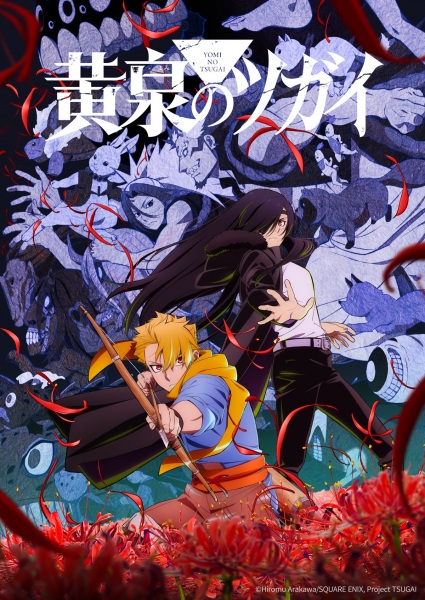
Hiromu Arakawa's second act arrives on television with a corpse in episode one and a stranger wearing the wrong name, and Bones Film shoots that opening with enough dread to convince you the next 23 episodes will keep pace. They mostly don't. Any honest Daemons of the Shadow Realm review has to reckon with a show whose ceiling is set in its first cour and whose floor is set the moment it has to start explaining itself.
The Consensus Says 7.93. The Rubric Says 7.35.
MyAnimeList has 200,000-odd members grading Daemons of the Shadow Realm at 7.93. The Anime Codex weighted score comes in at 7.35 — a 0.58-point gap that isn't hostility, but isn't a rounding error either. The crowd is grading Arakawa's byline, Bones Film's palette, and the frisson of the twin reveal. The rubric is grading six criteria on a fixed weighting, and two of them — cultural and character — refuse to hand out credit the show hasn't yet earned.
That gap is the entire argument of this piece. It's the same shape we saw when Gachiakuta posted a 0.81-point delta between MAL and Codex on the strength of a Bones Film premiere and a first-episode premise. Studio prestige and an unsettling hook buy you numbers on aggregate sites. They don't buy you a scorecard.
What Carries It: Animation at 8.0
The strongest column on the scorecard is animation, and it isn't close. Masahiro Andou storyboards the premiere and returns for episode two and episode ten, and the through-line is a director who knows exactly when to hold a frame and when to let a helicopter — sorry, a "dragon" — tear through it. The village massacre isn't staged as spectacle; it's staged as dread. Character acting registers the disorientation before the dialogue does, and the day/night visual motif runs through the palette rather than sitting on top of it as an aesthetic tag.
Bones Film's daemon designs deserve the credit they've been given. They're built to read at silhouette and reward close inspection. Where the direction slips is in the exposition-heavy stretches of the mid-cour, which are blocked more statically than the action beats — a compromise that will be familiar to anyone who has watched the studio's line manage a season's animation budget across Marriagetoxin or its other recent work. When the show has something to show, it shows it. When it has something to explain, it stops.
Where It Holds: Story at 7.4, World at 7.6
The story score sits at 7.4 because episode one does exactly what a shonen mystery premiere is supposed to do: destabilize. Yuru's twin is dead. A stranger with Asa's face claims to be his real sister. The village is not what it seemed. Chiaki Konaka's scripts on episodes five and ten do productive work maintaining that pressure, and the daemon-summoning gift is introduced with enough mechanical specificity to feel like a system rather than a plot convenience.
The world-building lands at 7.6 for the same reason the story lands at 7.4 — because Arakawa's premise is genuinely inventive. Recasting military helicopters as "dragons" through the perceptual frame of an isolated village is the kind of grounding gesture that makes urban fantasy feel earned rather than assembled. The stone guardians, the caged caretaker, the ritual offerings tied to summoning — these are the elements of a system that could pay off across 24 episodes.
The word "could" is doing work in that sentence. Both scores are held back by the same problem: the show withholds information tactically rather than organically. The mid-cour exposition dumps about the village's true purpose don't clarify the rules of the daemons or the organization behind the "dragon" assault. They defer them. That's a mystery show trading on atmosphere rather than construction.
What Drags It: Character at 7.0
Character is the criterion where the shonen middle-tier is usually decided, and Daemons of the Shadow Realm scores 7.0 for reasons that aren't hard to name. Yuru has a spine. His grief for Asa and his refusal to accept the false-twin reveal give him a real emotional through-line, and Dera works as an enigmatic mentor whose motives stay ambiguous in a way that reads as writerly restraint rather than authorial evasion.
Everyone else is thinner than the show needs them to be. The supporting villagers are killed in episode one before they've earned enough screen time to be mourned, which means the massacre lands on premise rather than on people. The antagonist "true sister" is more a plot function than a character at this stage — a device to keep Yuru destabilized rather than a person with legible desires. Growth is front-loaded onto the protagonist while the ensemble stalls, which is the same structural problem Bungo Stray Dogs had to fight through its first cour before earning its scorecard back.
What Sinks It: Cultural at 6.5
The cultural score is where the gap with MyAnimeList becomes numerical. A 6.5 on cultural impact reflects a 2026 series that has posted good early traction and generated real discussion, but hasn't demonstrated lasting influence, franchise breakout, or the kind of footprint Arakawa's previous work established over years. That isn't a knock on the show — it's a refusal to grade on inheritance. The rubric doesn't give Yomi no Tsugai credit for being written by the person who wrote Fullmetal Alchemist. It grades what this show has done, on air, this year.
The Counter-Argument
The strongest defense of the 7.93 is that Daemons of the Shadow Realm is an ongoing adaptation of a manga still being serialized in Monthly Shōnen Gangan, and grading its themes and character work in medias res is unfair to a show that hasn't been allowed to finish its argument. The day/night twin separation, the caged duty, the identity stolen and imposed — these are resonant ideas that Arakawa has proven she can pay off, and the rubric is docking the show for deferred payoff rather than absent payoff.
That defense is real. It's also exactly the argument the rubric refuses to accept on faith. The Codex grades what's aired, not what's promised. If the back half of the adaptation converts the atmosphere into thematic delivery and gives the supporting cast the weight the massacre didn't earn for them, the character and themes scores will move. Until then, 7.0 and 7.2 are honest numbers for a show that has set the table beautifully and hasn't yet served the meal.
Verdict
Daemons of the Shadow Realm is a 7.35 because Bones Film's craft and Arakawa's premise are doing more work than the character ensemble and the cultural footprint can currently match. The gap with MyAnimeList is the gap between a crowd grading potential and a rubric grading execution. Come back when the show finishes its argument; the scorecard will move with it.
Featured in the Codex

More from The Codex
The Seven Deadly Sins Is a 6.60 Wearing a 7.60 Costume: A One-Point Gap Earned by Groping Gags and Convenient Flashbacks
The Seven Deadly Sins scores 6.60 on the Codex against MyAnimeList's 7.60 because the crowd is grading a Netflix breakout and a Ban-and-King friendship, not the 24 episodes A-1 Pictures actually broadcast in 2014.
The 10.0 That Built a Sunday: How Sazae-san's Cultural Score Carries a 6.58 Scorecard
Sazae-san is a case study in how a single criterion — cultural — can define how a show is remembered, and the 10.0 the Codex hands Eiken's 1969 institution is doing every bit of the heavy lifting its other five scores refuse to.
The Sebastian Problem: Why Black Butler Sits 1.10 Below Its MAL Line and the Crowd Refuses to Notice
Black Butler (Kuroshitsuji) posts a 1.10-point gap between MyAnimeList's 7.65 and the Codex 6.55 because the crowd is grading Sebastian's silhouette and a Phantomhive aesthetic, not the anime-original finale A-1 Pictures actually shipped in 2009.
Discussion
Set a display name above to post.
Loading discussion…