The 10 Best Animated Seinen Anime, Ranked by the Codex on Direction Alone
Most "best anime" lists rank by overall vibe; this one isolates a single axis — animation & direction — and lets the rubric pick the winners.
Most "best anime" lists rank by overall vibe; this one isolates a single axis — animation & direction — and lets the rubric pick the winners.
The best animated seinen anime are not always the best seinen anime. Monster is a 9.24 on the Anime Codex and it does not lead this list. Vinland Saga posts a higher overall score than Made in Abyss and still ranks behind it here. That is the point. When the rubric is narrowed to one criterion — how the show is drawn, boarded, and directed — the hierarchy reorganizes, and the results argue against the reflex of grading anime by mood.
What the Consensus Gets Wrong
MyAnimeList aggregates a single number per title. Monster sits at 8.89 there; Vinland Saga at 8.78; Made in Abyss at 8.62. That flattening is useful for a first pass and useless for the question actually being asked here, which is: whose staff are drawing the show. The community score rewards emotional retention across a run. It does not distinguish between a series carried by Naoki Urasawa's plotting and one carried by Kinema Citrus's layout department. The Codex separates those. The list below is ranked strictly on animation & direction — the criterion — and the surprises are structural, not sentimental. If you want the overall Codex verdict on Vinland Saga's craft profile in a broader frame, the sibling piece on shows like it covers that. Here, the axis is narrower.
The Top of the Table: Where Direction Overrides Reputation
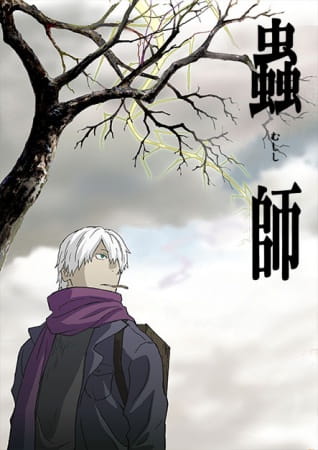
1. Mushishi — 9.0
Hiroshi Nagahama's 2005 Artland production earns its 9.0 by refusing to raise its voice. The show is composed like a nature documentary crossed with a scroll painting: static holds on grass, wind, breath, then a mushi materializes in a way that does not read as effect work but as weather. The overall Codex score of 8.68 is dragged down by a deliberately underdeveloped Ginko; the direction is not dragged down at all.
2. Made in Abyss — 9.0
Masayuki Kojima and Kinema Citrus tie Mushishi on the number and diverge entirely on method. The 2017 thirteen-episode run uses watercolor backgrounds against a hard-edged character line, and the direction escalates with descent — the fourth layer sequences in the back half are boarded with an economy that makes the violence read as biology, not spectacle. The 8.60 Codex overall is capped by uneven character work; the animation criterion is not.
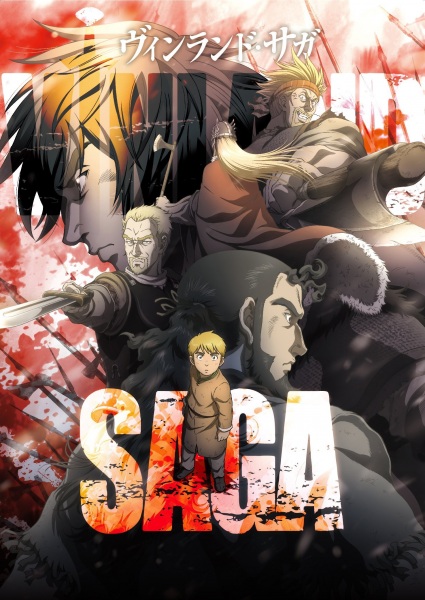
3. Vinland Saga — 8.7
Wit Studio's 2019 twenty-four-episode adaptation, directed by Shuuhei Yabuta, loses a fraction to Mushishi and Made in Abyss on this axis because the action animation, while excellent, leans on a recognizable Wit vocabulary — the sweeping camera moves, the mud, the impact frames — rather than inventing one. The Askeladd-Thorfinn duel choreography and the Ketil farm arc's tonal shifts push the number to 8.7. The overall 8.88 is the highest on this list; the animation score is not.
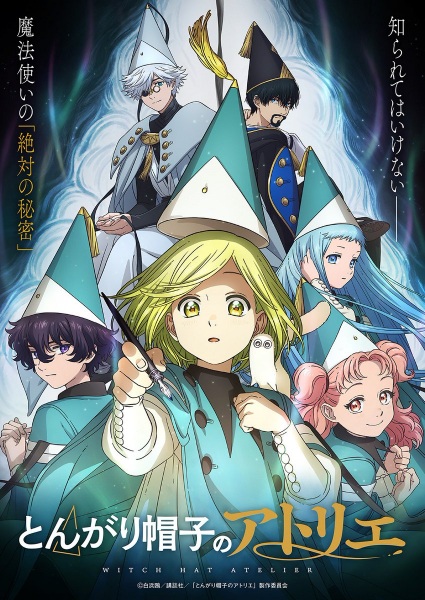
4. Tongari Boushi no Atelier — 8.7
BUG FILMS' 2026 debut adaptation of Kamome Shirahama's manga posts an 8.7 on strength of layout fidelity — the manga's linework is one of the most demanding designs in the current market and the studio commits to it. The Codex 8.50 overall reflects a shorter track record on cultural weight, not a directorial deficit.
5. March Comes In Like a Lion — 8.5
Akiyuki Shinbo's Shaft signature — the tilted frames, the abstract inserts, the color-field cutaways — is deployed for depression rather than comedy here, and the discipline is what earns the 8.5. Rei Kiriyama's interior monologue sequences in the first cour translate manga panels into moving image without leaning on Shaft's usual mannerism. The 8.45 Codex overall trails the animation score because cultural footprint is modest.
The Middle Tier: Craft Under Constraint
6. Heavenly Delusion — 8.4
Hirotaka Mori's 2023 Production I.G run posts 8.4 on the strength of environmental staging — the ruined-Japan travelogue is boarded with real spatial logic, and the orphanage interiors are lit differently enough from the outer sequences that the parallel-timeline reveal works visually before it works narratively. The 8.26 overall is held back by a cultural score of 6.5, not by anything the direction did.
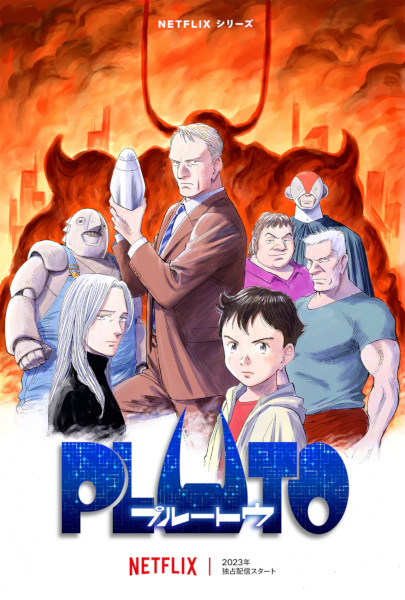
7. Pluto — 8.3
Studio M2 delivered eight episodes in 2023 under Toshio Kawaguchi's direction, and the number reflects a specific tension: the character work is drawn with restraint appropriate to Urasawa's manga, but the show's compositing occasionally betrays a Netflix-schedule production reality. That the 8.3 sits below the top five is not a knock — it is the rubric noticing that eight episodes give a director less room to accumulate directorial capital than twenty-six do. The Codex overall of 8.96, the second-highest on this list, is carried by story and theme.
8. Monster — 8.2
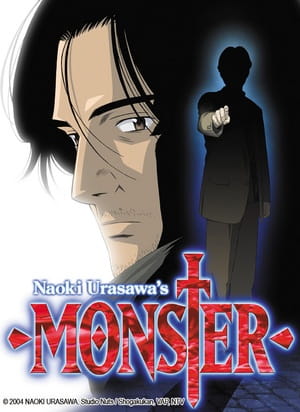
Madhouse's seventy-four-episode 2004 production, directed by Masayuki Kojima before he made Made in Abyss, is the highest-overall show on this list at 9.24 and only the eighth-best animated. That is not a contradiction. Monster is boarded for suspense rather than motion; conversations, doorway holds, close-ups on Johan's face. The 8.2 is the rubric admitting that the animation is servant to the writing, not that it fails. The broader case for what Monster's 9.24 is actually rewarding — namely, criteria other than sakuga — is a useful comparison against how communities grade action-forward titles.
9. Re:Zero — 8.0
White Fox's 2016 twenty-five-episode run, directed by Masaharu Watanabe, gets 8.0 because the Roswaal mansion loop is genuinely well-staged psychological horror and the Witch Cult arc has moments — Subaru's Rem monologue, the Petelgeuse fights — that hold up against anything on this list. The rest of the production is competent rather than distinguished. The 8.50 Codex overall is carried by character.
10. Black Lagoon — 8.0
Sunao Katabuchi directing at Madhouse in 2006, twelve episodes, and a directorial voice that predates his Mai Mai Miracle and In This Corner of the World work. The gunplay is choreographed with a weight most contemporary action anime lack, and Roanapur's geography is legible across the run. The 7.75 Codex overall is dragged by thematic thinness; the direction is not thin.
The Counter-Argument: Isn't This Just Sakuga Worship?
The obvious rebuttal is that isolating animation & direction rewards spectacle and punishes text-heavy craft — that Monster ranking eighth is proof the axis is too narrow to be useful. It is a fair objection and the rubric answers it directly. The animation & direction criterion is not sakuga count. It grades layout, boarding, editing, color, and directorial coherence. Monster scores 8.2 not because Madhouse animated it cheaply but because Kojima's directorial choices there are, correctly, subordinated to Urasawa's script. The rubric is measuring craft in service of the show, not craft as ornament. Mushishi and Made in Abyss lead because in those productions the direction is the argument. That is a defensible reading, and the numbers are the defense.
The ten shows above are the seinen titles the Codex rates highest on a single axis. Rank them by overall score and the order changes; rank them by MyAnimeList and it changes again. Isolating the criterion is the exercise, and Mushishi and Made in Abyss are what the exercise returns.
Featured in the Codex



More from The Codex
The Seven Deadly Sins Is a 6.60 Wearing a 7.60 Costume: A One-Point Gap Earned by Groping Gags and Convenient Flashbacks
The Seven Deadly Sins scores 6.60 on the Codex against MyAnimeList's 7.60 because the crowd is grading a Netflix breakout and a Ban-and-King friendship, not the 24 episodes A-1 Pictures actually broadcast in 2014.
The 10.0 That Built a Sunday: How Sazae-san's Cultural Score Carries a 6.58 Scorecard
Sazae-san is a case study in how a single criterion — cultural — can define how a show is remembered, and the 10.0 the Codex hands Eiken's 1969 institution is doing every bit of the heavy lifting its other five scores refuse to.
The Sebastian Problem: Why Black Butler Sits 1.10 Below Its MAL Line and the Crowd Refuses to Notice
Black Butler (Kuroshitsuji) posts a 1.10-point gap between MyAnimeList's 7.65 and the Codex 6.55 because the crowd is grading Sebastian's silhouette and a Phantomhive aesthetic, not the anime-original finale A-1 Pictures actually shipped in 2009.
Discussion
Set a display name above to post.
Loading discussion…