Is Angel Beats! Overrated? A 6.71 That Rides a Subway Reveal and "My Song" Into Numbers Seiji Kishi's 13 Episodes Won't Actually Earn
Angel Beats! posts a 1.34-point gap between MyAnimeList's 8.05 and the Codex 6.71 because the crowd is grading a heart-transplant reveal and a Girls Dead Monster set, not the thirteen episodes P.A. Works actually shipped around them.
Angel Beats! posts a 1.34-point gap between MyAnimeList's 8.05 and the Codex 6.71 because the crowd is grading a heart-transplant reveal and a Girls Dead Monster set, not the thirteen episodes P.A. Works actually shipped around them.
The gap between Angel Beats!'s reputation and its rubric score is the story. A show that tries to compress a full Key visual novel's worth of grief into thirteen episodes cannot then be scored as though the compression didn't happen — but that's exactly what an 8.05 MAL average asks the rubric to do. Name what the crowd is rewarding that the rubric won't: a subway train, a red ribbon, "My Song" over the credits of episode 10.
The Consensus Is Grading Two Scenes
MyAnimeList sits Angel Beats! at 8.05. The Codex sits it at 6.71. That 1.34-point spread is not a rounding error and it is not snobbery — it's the difference between grading a peak and grading a season. The consensus position, when you actually pin it down, reduces to two moments: Kanade Tachibana's heart-transplant confession and Otonashi's subway-train memory recovery. Both are genuine. Neither one is thirteen episodes.
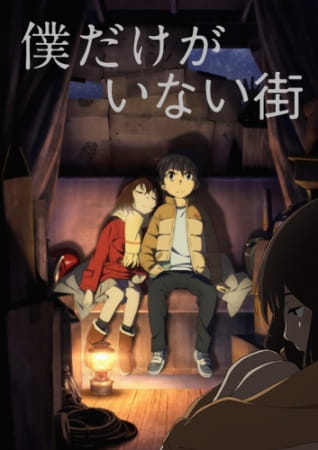
This is the same pattern Codex has flagged across the Key/emotional-anime lineage and its neighbors — a show like Erased runs the same 1.39-point gap because the crowd is grading Tomohiko Ito's winter palette and Kayo Hinazuki's interiority, not the thriller's final act. Angel Beats! is grading Kanade's confession and Yui's farewell, not the Guild dungeon slapstick or the baseball episode that sits between them.
The Story Score Is 6.0 Because the Structure Is Incoherent
Jun Maeda's premise — an afterlife purgatory where teenagers with unresolved trauma have to accept their deaths to move on — is genuinely strong. The Codex story mark of 6.0 credits that premise and credits the subway-train reveal as the narrative's high point. What it refuses to credit is the structural chaos surrounding it.
Thirteen episodes is not enough runway for what Maeda tried to write. The season lurches from Guild dungeon slapstick to a baseball filler episode to sudden emotional gut-punches with no tonal governor, and the finale abandons most of the Afterlife Battlefront's roster — Hinata, TK, Noda, the entire back bench — without paying off backstories the show spent screentime setting up. The NPC/"Shadows" subplot in the closing episodes is worse: introduced and resolved in the same handful of scenes, waving away the internal logic of the world it just spent twelve episodes building. The God-and-programmer questions the show raises about who authored this afterlife are simply dropped. That's not compression, that's abandonment.
The Character Score Is 6.5 Because Only Two of Them Are Written
Otonashi and Kanade carry the show. Her heart-transplant revelation does what Maeda designed it to do — it recontextualizes her entire characterization as Angel, the antagonist-who-wasn't, and the beat lands. That's the ceiling.
The floor is Yuri Nakamura, the ostensible protagonist for most of the run, who gets her backstory dump so late that the emotional math doesn't clear. The rest of the Battlefront are comic archetypes with one spotlight episode apiece — Yui's farewell in episode 10 works, but it works because Seiji Kishi and Maeda stack the deck with Hinata's promise and "My Song," not because Yui herself was ever more than a wheelchair gag and a Girls Dead Monster frontwoman. That's directorial manipulation doing the work character writing should have done. When a rubric penalizes single-episode spotlights standing in for arcs, this cast bleeds points.
The Themes Score Is 7.5 — and That's the Real Ceiling
The Codex mark of 7.5 on themes is not stingy; it's the highest number on the scorecard alongside animation, and it's where Maeda's signature actually shows up. The meditation on unlived lives, on regret as the thing that binds you to a place you shouldn't stay, on the graduation-metaphor ending as a farewell — that resonates. Kanade's confession delivers the Key/P.A. Works catharsis exactly as designed.
But 7.5 is not 9. The theme is repeatedly blunted by the show's own tonal instability. You cannot spend an episode on a baseball tournament and then ask the same audience to sit still for a meditation on the necessity of loss — or rather, you can, but the emotional through-line pays for it. This is what the crowd's 8.05 refuses to price in: the thematic thesis is strong, but it survives Kishi's direction rather than being carried by it.
The World Is Elegant in Concept and Bolted-On in Practice
World-building scores 6.8 because the afterlife-as-high-school premise is genuinely original and the emotional logic — you disappear once you've resolved what kept you there — is thematically integrated in a way most supernatural setups aren't. That's real. What isn't real is the mechanical layer. The dying-and-respawning rules, the Guild's weapon manufacturing pipeline, Kanade's "Hand Sonic" abilities, the Shadow monsters — these are set-dressing for spectacle, not systems. They don't cohere with each other and they don't cohere with the show's own metaphysics.
Animation Is 7.5 and Kishi Is Still the Weak Link
P.A. Works delivered the goods on the visual layer — clean character animation, strong backgrounds, fluid work in Kanade's combat sequences, and the Girls Dead Monster concert cuts that are among the most-remembered production moments of 2010. Maeda's soundtrack, with Anant-Garde Eyes, gives the show "My Song" and "Ichiban no Takaramono," and those are the songs the crowd is actually humming when they type 8 or 9 into the MAL box.
Seiji Kishi's direction is the technical weak link, and it's what keeps this score from a higher number. His handling of tonal transitions is clumsy — the whiplash between comedy and grief is not the writing's fault alone, it's a directorial choice to smash-cut where a competent director would breathe. The compression of scenes in the back half actively damages the emotional beats the score is trying to sell.
The Counter-Argument: The Peaks Are Real
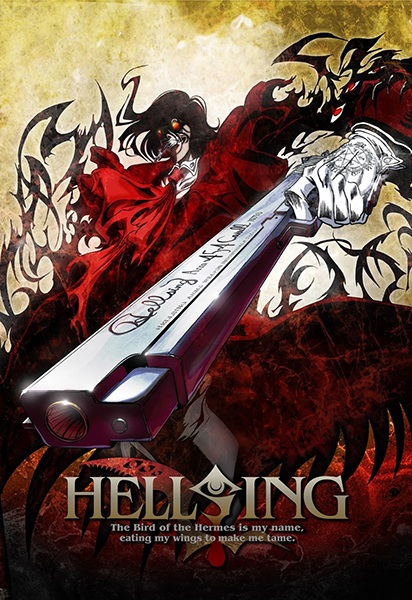
The steelman for an 8.05 is honest: when Angel Beats! works, it works at a level almost nothing else in the 2010 season touched. Yui's farewell in episode 10 makes people cry who don't cry at anime. Kanade's confession in the finale is one of the cleanest emotional payoffs Maeda has ever written. If you weight your grade toward peak moments, this is an 8. The same argument recurs across Codex's overrated-file — Hellsing Ultimate carries a 1.49-point gap for the same reason, because a monologue and a silhouette outweigh the structure that surrounds them in crowd memory.
The rubric doesn't grade peaks. It grades the season. Thirteen episodes with baseball filler and an abandoned Shadows arc and a Battlefront cast that never gets its final scene do not average to 8.05 — they average to what P.A. Works actually shipped, which is a 6.71 with a strong themes column and a weak story column and a director who couldn't hold the tone.
Verdict
Angel Beats! earns its themes and animation numbers, and it earns the cultural 7.0 for what "My Song" and Girls Dead Monster still mean fifteen years later. It does not earn 8.05, because 8.05 requires the show to have written the Battlefront, closed the Shadows arc, and let Kishi's direction stop fighting Maeda's script. Score the two scenes and the crowd is right; score the thirteen episodes and the rubric is.
Featured in the Codex





More from The Codex
The Seven Deadly Sins Is a 6.60 Wearing a 7.60 Costume: A One-Point Gap Earned by Groping Gags and Convenient Flashbacks
The Seven Deadly Sins scores 6.60 on the Codex against MyAnimeList's 7.60 because the crowd is grading a Netflix breakout and a Ban-and-King friendship, not the 24 episodes A-1 Pictures actually broadcast in 2014.
The 10.0 That Built a Sunday: How Sazae-san's Cultural Score Carries a 6.58 Scorecard
Sazae-san is a case study in how a single criterion — cultural — can define how a show is remembered, and the 10.0 the Codex hands Eiken's 1969 institution is doing every bit of the heavy lifting its other five scores refuse to.
The Sebastian Problem: Why Black Butler Sits 1.10 Below Its MAL Line and the Crowd Refuses to Notice
Black Butler (Kuroshitsuji) posts a 1.10-point gap between MyAnimeList's 7.65 and the Codex 6.55 because the crowd is grading Sebastian's silhouette and a Phantomhive aesthetic, not the anime-original finale A-1 Pictures actually shipped in 2009.
Discussion
Set a display name above to post.
Loading discussion…