The 10 Best Animated Shoujo Anime, Ranked by Direction Alone — Not Vibes, Not Nostalgia
Most "best anime" lists rank by overall vibe. This one isolates a single axis — animation & direction — and lets the rubric pick the winners.
Most "best anime" lists rank by overall vibe. This one isolates a single axis — animation & direction — and lets the rubric pick the winners.
Shoujo does not get graded on its craft. It gets graded on whether the reader cried at the confession episode, whether the love interest had the right hair color, whether the OP made it onto a 2008 AMV. The MyAnimeList aggregate for the genre is a popularity contest with a paint job. So this list does something narrower: it takes the ten shoujo titles with the strongest animation-and-direction scores on Anime Codex, ignores everything else the rubric measured, and ranks them by that number alone.
What the Consensus Gets Wrong About Shoujo Craft
The default read on shoujo animation is that it doesn't matter — that the genre lives on interiority, monologue, and blush lines, and the sakuga conversation belongs to shonen and Ufotable. That read is lazy. Madhouse spent seventy episodes on Cardcaptor Sakura's transformation cuts. Gainax handed Hideaki Anno an entire shoujo manga and let him rebuild the grammar of the reaction shot. Bones storyboarded Ouran like a stage farce. The craft is there; the discourse just isn't looking for it.
Anime Codex separates the animation-and-direction score from story, character, themes, world, and cultural footprint precisely because a show can be directorially exceptional and narratively mediocre — or the reverse. What follows is the top of the shoujo pile on that single axis, in order, with the number attached.
The Top Tier: 8.0 and Above
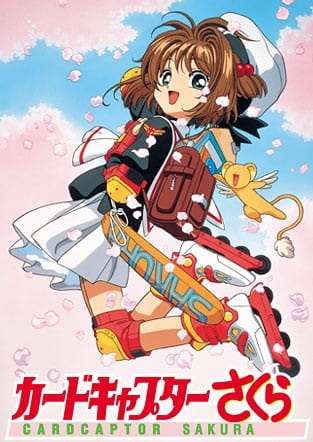
1. Cardcaptor Sakura — 8.5
Madhouse's 1998 seventy-episode run holds the highest animation-and-direction mark on the shoujo shelf, and the Codex 8.30 for the show as a whole is dragged upward by that 8.5 more than by any other criterion. Morio Asaka directs it like a picture book that occasionally remembers it's an action series. The card capture sequences — Windy, Fly, the Watery episode — are storyboarded with a spatial clarity most magical-girl shows of the decade never touched, and the wardrobe rotation (Tomoyo's costumes as a running visual gag) rewards the animators rather than the writing room. MyAnimeList sits it at 8.18. The craft carries the score.
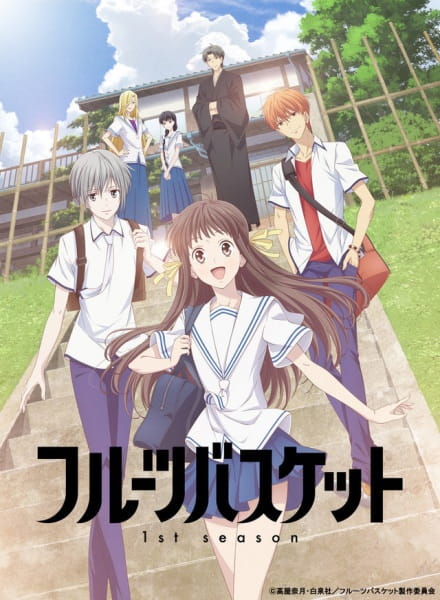
2. Fruits Basket (2019) — 8.0
TMS Entertainment's twenty-five-episode reboot posts an 8.0 for animation and direction inside a Codex 8.22, and the number is not a nostalgia bump — it's earned on the character-acting side. The zodiac transformations are handled with the same visual economy every time, which frees the direction to spend its budget on face work: Yuki in the student council arc, Kyo in the rooftop episode, Tohru's mother in flashback. MAL has it at 8.20. The 2001 Studio Deen version would not have cleared a 7.
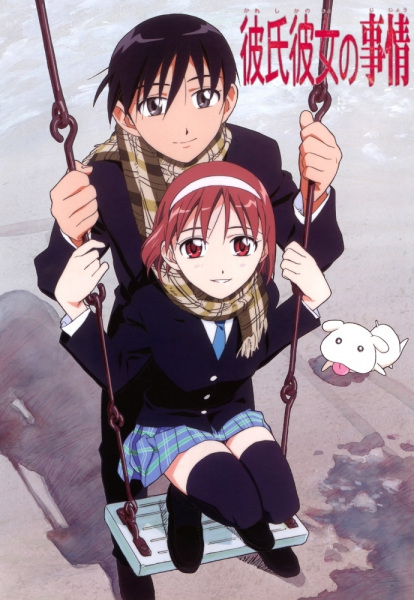
3. Kareshi Kanojo no Jijou — 8.0
Gainax, 1998, twenty-six episodes, and the most formally aggressive direction on this list. Anno's Kare Kano pulls the same trick he pulled on Evangelion's back half — freeze frames, text cards, live-action cutaways, paper cutouts standing in for characters when the schedule collapsed — but here the interiority is romantic rather than eschatological. The Codex 7.83 is capped by a soft back half after Anno departed the project, but the animation-and-direction 8.0 is a specific tribute to what he did in the first sixteen episodes. MAL: 7.60. The direction is what makes the show worth the argument.
4. Ouran High School Host Club — 8.0
Bones handed Ouran to Takuya Igarashi, and he directed it like Bisco Hatori's manga was a script for stage. The Codex 7.83 is buoyed by a cultural-footprint 9.0, but the 8.0 on direction is why the comedy still lands twenty years later — the fourth-wall breaks, the Tamaki reaction inserts, the deliberate reuse of the twins' visual gag are timed with a rhythm most shoujo comedies never bother to sequence. MAL has it at 8.16.
The Middle Band: 7.3 to 7.8
5. NANA — 7.8
Madhouse again, forty-seven episodes, and the highest overall Codex score on the list at 8.74. The animation-and-direction 7.8 is the lowest number in NANA's rubric — every other axis clears 8.0 — and that's the point. Morio Asaka's direction is confident but budget-bound; the concert sequences do not out-animate the character work around them, and the show visibly cost-saves in its second cour. MAL sits at 8.57. Ranking NANA fifth on craft when it's first on everything else is exactly what the rubric is designed to do.
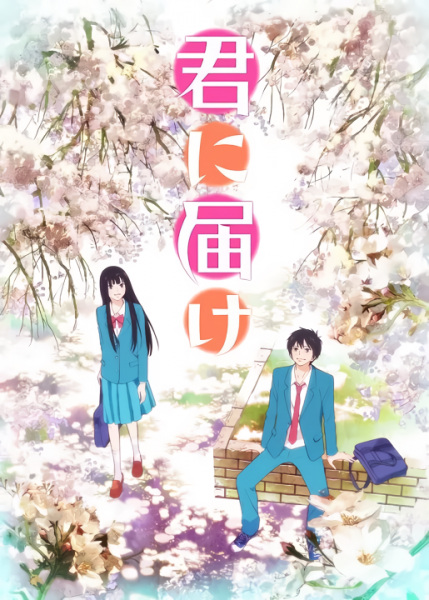
6. Kimi ni Todoke — 7.5
Production I.G, twenty-five episodes, Codex 7.78. The 7.5 on direction is a compliment to restraint. Hiro Kaburagi shoots the classroom in soft focus and lets Sawako's face carry ninety percent of the visual weight. There is almost no camera movement. There does not need to be. MAL: 8.01.
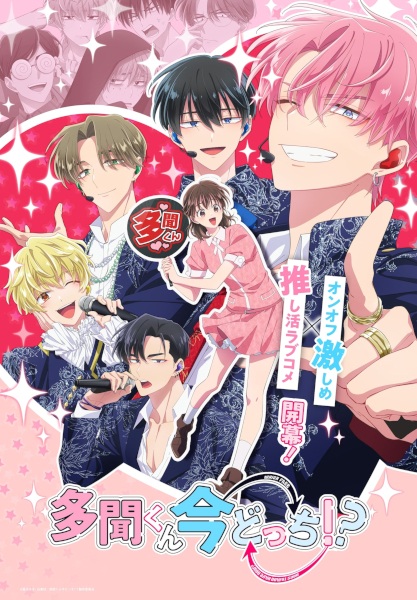
7. Tamon's B-Side — 7.3
J.C.Staff, thirteen episodes, 2026, and the newest entry on the shoujo shelf worth citing on craft. The Codex 7.64 reflects a show still finding its footing, but the animation-and-direction 7.3 is a specific acknowledgment that J.C.Staff kept its layout discipline through a short cour rather than front-loading and collapsing. MAL: 7.83.
The Bottom of the Top Ten: 6.5 to 6.8
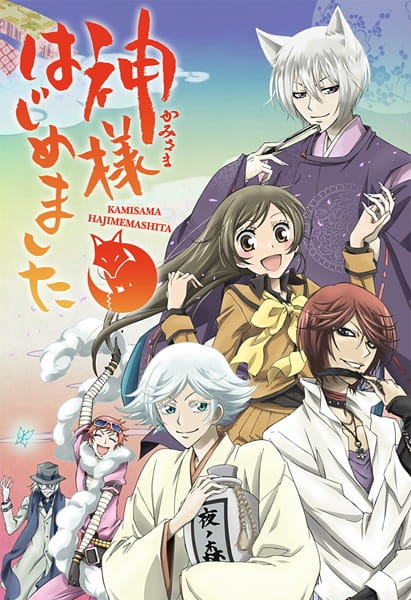
8. Kamisama Hajimemashita — 6.8
TMS, thirteen episodes, and the point at which the rubric stops complimenting anyone. The Codex 6.94 is capped in every direction, and — as the standalone review argues in more detail — the animation-and-direction 6.8 is the honest read on a show that shot Tomoe's ears in higher fidelity than it shot its own action sequences. MAL: 8.13. The gap between crowd and rubric is 1.19 points.
9. Lovely Complex — 6.5
Toei Animation, twenty-four episodes, Codex 7.68. The character-work 8.5 does most of the carrying; the animation-and-direction 6.5 is Toei operating at its 2007 house average — flat lighting, workmanlike layouts, and a color palette that never argues with the writing. MAL: 8.03. The direction is not the reason to watch. Risa and Otani are.
10. Skip Beat! — 6.5
HAL Film Maker, twenty-five episodes, Codex 7.58. Tied on direction with Lovely Complex and for the same reason: a studio without the resources to visualize Kyoko's interior demons at the scale the manga demanded. Kyoko's flame-summoning gag is the show's best visual joke and its most repeated one, which tells the story. MAL: 8.07.
The Counter-Argument: Direction Isn't the Right Axis for Shoujo Anyway
The strongest opposing read: shoujo's craft lives in adaptation fidelity, voice performance, and score — not in storyboarding — and grading it on animation-and-direction is like grading a novel on typography. That argument has weight. NANA's power is Ai Yazawa's line, not Asaka's camera. Lovely Complex's Osaka-dialect timing is a voice-acting achievement, not a directorial one.
The rubric reads it differently because the rubric has to be consistent across genres. If Ufotable's compositing raises Demon Slayer's ceiling, then Gainax's cutout gags have to raise Kare Kano's. Directorial choice is directorial choice. Refusing to grade shoujo on it is the exact condescension the genre-by-decade averages already exposed.
Verdict
The top of the shoujo craft pile is Madhouse's Cardcaptor Sakura at 8.5, and the drop-off to Toei's Lovely Complex at 6.5 is two full points across ten shows — a wider spread than most genre lists will admit exists. Ranked by direction, the genre's canon rearranges itself: NANA falls to fifth, Kare Kano rises to third, and the shows carried by nostalgia rather than craft land where they belong.
Featured in the Codex

More from The Codex
The Seven Deadly Sins Is a 6.60 Wearing a 7.60 Costume: A One-Point Gap Earned by Groping Gags and Convenient Flashbacks
The Seven Deadly Sins scores 6.60 on the Codex against MyAnimeList's 7.60 because the crowd is grading a Netflix breakout and a Ban-and-King friendship, not the 24 episodes A-1 Pictures actually broadcast in 2014.
The 10.0 That Built a Sunday: How Sazae-san's Cultural Score Carries a 6.58 Scorecard
Sazae-san is a case study in how a single criterion — cultural — can define how a show is remembered, and the 10.0 the Codex hands Eiken's 1969 institution is doing every bit of the heavy lifting its other five scores refuse to.
The Sebastian Problem: Why Black Butler Sits 1.10 Below Its MAL Line and the Crowd Refuses to Notice
Black Butler (Kuroshitsuji) posts a 1.10-point gap between MyAnimeList's 7.65 and the Codex 6.55 because the crowd is grading Sebastian's silhouette and a Phantomhive aesthetic, not the anime-original finale A-1 Pictures actually shipped in 2009.
Discussion
Set a display name above to post.
Loading discussion…