The Genshiken Animation Problem: How a 6.0 From Palm Studio Caps a Show That Otherwise Grades Like a Seinen Classic
Genshiken scores 8.5 on world, 8.0 on character and themes — and gets remembered as a modest 2004 slice-of-life because Palm Studio couldn't animate a Comiket queue with any visual conviction.
Genshiken scores 8.5 on world, 8.0 on character and themes — and gets remembered as a modest 2004 slice-of-life because Palm Studio couldn't animate a Comiket queue with any visual conviction.
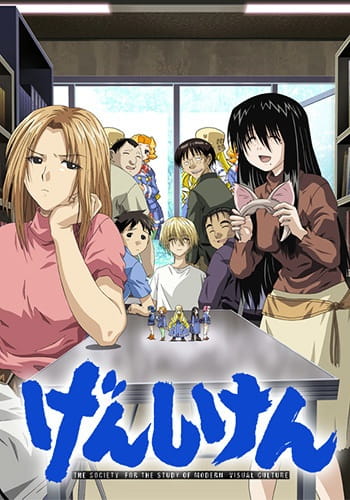
The Genshiken animation score is a 6.0, and it is the single reason a show that grades like an unheralded seinen classic on every other axis has aged into a footnote. Palm Studio's 2004 adaptation of Shimoku Kio's manga is one of the most anthropologically precise depictions of otaku life ever committed to cels, and it looks like it was drawn by a committee trying not to attract attention.
The MyAnimeList Consensus, and Where It Stops Reading
MyAnimeList scores Genshiken at 7.63. The Anime Codex rubric lands at 7.53 — a rounding-error gap that hides the actual argument. The crowd score is not wrong here in the way it is wrong about, say, Oshi no Ko, where a premiere and an OP inflate a shakier scorecard. The consensus around Genshiken is directionally correct: it is a good show, it deserves to be remembered, and its niche adoration is earned. What the 7.63 flattens is which criteria carry it. Fans talk about Madarame. They talk about Saki's arrival in the clubroom and the doujinshi arc. They rarely talk about the visuals, because there is almost nothing to say — and that silence is doing more damage to Genshiken's long-term standing than any critical hit piece could.
This is not a puff piece. It's not a hit piece either. It's a case study in how a single criterion — animation — can define how a show is remembered, and Genshiken is the cleanest example the 2004 seinen slate offers.
What Palm Studio Actually Delivered
The animation score of 6.0 is not a punishment. It is a description. Palm Studio's work across the twelve episodes is functional: flat color fills, a limited motion budget, character models that hold their proportions in medium shot and start to drift the moment anyone has to move through space. Tsutomu Mizushima's direction — and Mizushima is a competent comedy director who would go on to more visually ambitious work — makes the correct calculation for the material. He locks the camera on faces. He lets conversational timing carry scenes that a better-resourced production would have staged with cutaways, incidental animation, or environmental gags.
The result is a show that works exactly as a dialogue-driven comedy needs to work, and never one frame more. When Sasahara sits in the clubroom trying not to admit what he already knows about himself, Mizushima cuts to his face and holds. When Madarame launches into a monologue about a figure or a doujin, the camera parks. This is defensible craft. It is also, unmistakably, the visual grammar of a studio without the budget to do anything else.
The Cosplay Episodes and What Slightly More Effort Looks Like
The cosplay material — Ohno's arrival with her suitcase of costumes, the Kujibiki Unbalance references, the physical business of getting Saki into an outfit she does not want to wear — is where Palm Studio invests a little more. The color work opens up. The character animation gets a beat more elastic. You can see the production allocating cels where it matters most, and the choice is smart: cosplay is one of the few things in Genshiken that has to look like something rather than be talked about.
But "slightly more visual care" is a low bar, and the show never clears the higher one. Compare this to what animation can do for a subculture-adjacent seinen when a studio commits — the way CloverWorks lets performance and motion carry Bocchi the Rock! into an 8.36, or the way White Fox's mid-tier sakuga still gives Steins;Gate its lab-coat physicality. Genshiken has none of that visual argument. The Comiket episodes, which the story justification correctly identifies as the show's strongest, are shot like a documentary made by someone who forgot to bring a second camera. The queue, the hall, the density of fandom in physical space — all of it is described rather than staged.
The Scorecard Genshiken Actually Earned
Strip out animation and Genshiken grades like a genuine seinen contender. World-building at 8.5 is not a courtesy score; it reflects the documentary specificity of the clubroom, the doujinshi pipeline, the figure-collecting hierarchy, the Comiket logistics. Themes at 8.0 for the honest negotiation between authentic self and social shame — Sasahara's slow surrender to a label he has been fighting, Saki's grudging accommodation of Kousaka's obsession without ever becoming one of them. Character at 8.0 for an ensemble whose worst member (Kousaka, static, archetypal, mostly a device) is still functional and whose best (Madarame, whose unspoken crush on Saki is one of the medium's more honest portraits of otaku social paralysis) does load-bearing emotional work.
Story lands at 7.0 because the season ends without an arc closing — it feels like a slice extracted from Kio's manga rather than a self-contained twelve-episode structure — and cultural weight at 7.5 because Genshiken's influence on subculture-comedy is real but geographically and generationally limited.
That is a scorecard averaging comfortably above the final number. The 6.0 pulls the weighted total down to 7.53 and, more importantly, changes what people remember. Nobody rewatches a show for its writing when the writing is embedded in visuals that don't reward the eye. Genshiken gets read once, admired, and shelved.
The Steelman: Animation Doesn't Matter Here
The defense writes itself. This is a dialogue comedy about people sitting in a room. Overproducing it would betray the material. The visual restraint is a feature, not a bug — Palm Studio understood that a lavish adaptation of Genshiken would have been tonally wrong, the way a lavish adaptation of any anthropological comedy about mundane specificity would be tonally wrong. The 6.0 is the correct number for a show that made the correct choice.
This argument is half right. The choice to prioritize conversational timing over spectacle is correct. But "correct restraint" and "no visual invention at all" are different positions, and Genshiken sits in the second one. A show can be dialogue-driven and still use its medium — staging, color, incidental animation, environmental humor — to make the room feel lived-in rather than diagrammed. Palm Studio drew the room. It did not inhabit it. The rubric grades what is on screen, not what the material would have permitted a better-funded studio to attempt.
Verdict
Genshiken is a 7.53 because a 6.0 in animation drags a scorecard that otherwise reads like a seinen worth teaching. The show's writing, world, and central performances deserve more than the visuals ever gave them, and that mismatch — not any failure of ambition on the page — is why it survives as a niche recommendation rather than a canon entry. Credit the strengths; name the failure; don't pretend the number is anywhere else.
Featured in the Codex

More from The Codex
The Seven Deadly Sins Is a 6.60 Wearing a 7.60 Costume: A One-Point Gap Earned by Groping Gags and Convenient Flashbacks
The Seven Deadly Sins scores 6.60 on the Codex against MyAnimeList's 7.60 because the crowd is grading a Netflix breakout and a Ban-and-King friendship, not the 24 episodes A-1 Pictures actually broadcast in 2014.
The 10.0 That Built a Sunday: How Sazae-san's Cultural Score Carries a 6.58 Scorecard
Sazae-san is a case study in how a single criterion — cultural — can define how a show is remembered, and the 10.0 the Codex hands Eiken's 1969 institution is doing every bit of the heavy lifting its other five scores refuse to.
The Sebastian Problem: Why Black Butler Sits 1.10 Below Its MAL Line and the Crowd Refuses to Notice
Black Butler (Kuroshitsuji) posts a 1.10-point gap between MyAnimeList's 7.65 and the Codex 6.55 because the crowd is grading Sebastian's silhouette and a Phantomhive aesthetic, not the anime-original finale A-1 Pictures actually shipped in 2009.
Discussion
Set a display name above to post.
Loading discussion…